Công Ty Gỗ AtoZ – Công Ty Gỗ Uy Tín Số 1 Tại Việt Nam

Công Ty Gỗ AtoZ

Trong bối cảnh nhu cầu sử dụng gỗ tự nhiên, gỗ xẻ và gỗ xuất khẩu chất lượng cao tại Việt Nam ngày càng tăng, việc lựa chọn một nhà cung cấp gỗ uy tín, minh bạch và bền vững là yếu tố then chốt đối với các doanh nghiệp xây dựng, nội thất, sản xuất đồ gỗ và xuất nhập khẩu.
Công Ty Gỗ AtoZ tự hào là đối tác cung ứng gỗ quốc tế đáng tin cậy, phục vụ khách hàng tại Việt Nam và hơn 30 quốc gia trên toàn thế giới.

Giới Thiệu Về Công Ty Gỗ AtoZ

Công Ty Gỗ AtoZ là doanh nghiệp chuyên xuất khẩu, phân phối và môi giới gỗ tự nhiên, bao gồm cả gỗ cứng (hardwood)gỗ mềm (softwood), với chuỗi cung ứng khép kín từ rừng trồng đến cảng xuất khẩu.

Với nhiều năm kinh nghiệm trong ngành gỗ quốc tế, Công Ty Gỗ AtoZ đã xây dựng danh tiếng vững chắc nhờ:

  • Nguồn gỗ hợp pháp, có thể truy xuất nguồn gốc

  • Sản lượng ổn định cho đơn hàng số lượng lớn

  • Giá gỗ cạnh tranh trên thị trường quốc tế

  • Cam kết mạnh mẽ về phát triển gỗ bền vững

Vì Sao Khách Hàng Việt Nam Tin Chọn Công Ty Gỗ AtoZ?

1. Nguồn Gỗ Bền Vững – Tuân Thủ Tiêu Chuẩn Quốc Tế

Sở hữu và quản lý hàng nghìn hecta rừng được cấp phép khai thác bền vững, áp dụng quy trình:

  • Chỉ khai thác tối đa 2 cây/hecta/năm

  • Chu kỳ sinh trưởng cây lên đến 30 năm trước khi khai thác

  • Ứng dụng công nghệ định vị địa lý (Geo-referencing)Forest Compass System

Điều này đảm bảo nguồn cung lâu dài, không phá rừng, phù hợp với các tiêu chuẩn môi trường mà thị trường Việt Nam và quốc tế yêu cầu.

2. Danh Mục Sản Phẩm Gỗ Đa Dạng

Công Ty Gỗ AtoZ cung cấp đầy đủ các dòng sản phẩm gỗ cho nhiều mục đích sử dụng:

  • 🌳 Gỗ tròn (Wood Logs)

  • 🪵 Gỗ xẻ (Sawn Timber)

  • 📏 Gỗ slab, gỗ nguyên tấm

  • 🔨 Gỗ gia công, gỗ sấy, gỗ xử lý

  • ♻️ Sản phẩm phụ từ gỗ

Các loại gỗ phổ biến:

  • Gỗ Okoume

  • Gỗ Gõ đỏ, Gỗ Doussie

  • Gỗ Teak (Tếch)

  • Gỗ Mahogany (gụ)

  • Gỗ Sapele, Afromosia, Wenge, Bubinga, Bilinga

  • Gỗ thông, gỗ mềm phục vụ xây dựng

3. Năng Lực Xuất Khẩu Gỗ Toàn Cầu

Công Ty Gỗ AtoZ hiện đang xuất khẩu gỗ sang:

  • 🇻🇳 Việt Nam

  • 🇨🇳 Châu Á

  • 🇦🇺 Châu Đại Dương

  • 🇺🇸 Hoa Kỳ

  • 🇪🇺 Châu Âu

  • 🇲🇪 Trung Đông

Công Ty Gỗ AtoZ hỗ trợ đầy đủ chứng từ xuất khẩu, bao gồm:

  • CO, Packing List, Invoice

  • Bill of Lading

  • Chứng nhận nguồn gốc gỗ hợp pháp

  • Hồ sơ hải quan minh bạch

Chính Sách Phúc Lợi Lao Động & Trách Nhiệm Xã Hội

Không chỉ tập trung vào chất lượng gỗ, Công Ty Gỗ AtoZ còn chú trọng đến con người và cộng đồng địa phương:

  • Cung cấp nhà ở, thực phẩm và chăm sóc y tế cho công nhân

  • Đào tạo an toàn lao động và khai thác gỗ tác động thấp

  • Trả lương công bằng, đảm bảo điều kiện làm việc an toàn

  • Đóng Forest Royalties để hỗ trợ phát triển cộng đồng địa phương

Đây chính là yếu tố giúp Công Ty Gỗ AtoZ được đánh giá cao bởi các đối tác Việt Nam đang tìm kiếm nhà cung cấp gỗ có đạo đức và trách nhiệm.

Giải Pháp Linh Hoạt Cho Doanh Nghiệp Việt Nam

Công Ty Gỗ AtoZ mang đến các giải pháp phù hợp cho:

  • Doanh nghiệp nhập khẩu gỗ lần đầu

  • Nhà máy sản xuất đồ gỗ xuất khẩu

  • Công ty xây dựng & nội thất cao cấp

  • Thương nhân và nhà môi giới gỗ

👉 Đặc biệt, AtoZ cung cấp chương trình lô hàng đầu tiên rủi ro thấp, giúp doanh nghiệp Việt Nam kiểm tra chất lượng trước khi mở rộng đơn hàng lớn.

Cam Kết Của Công Ty Gỗ AtoZ Tại Thị Trường Việt Nam

✔ Gỗ đạt chuẩn xuất khẩu
✔ Giá gỗ cạnh tranh & minh bạch
✔ Giao hàng đúng tiến độ
✔ Nguồn cung ổn định lâu dài
✔ Đối tác đáng tin cậy cho phát triển bền vững

Kết Luận

Nếu bạn đang tìm kiếm nhà cung cấp gỗ uy tín tại Việt Nam, có khả năng cung ứng gỗ số lượng lớn, chất lượng cao và hợp pháp, thì  Công Ty Gỗ AtoZ chính là lựa chọn lý tưởng.

Với kinh nghiệm quốc tế, nguồn rừng bền vững và cam kết dài hạn, Công Ty Gỗ AtoZ không chỉ bán gỗ – mà còn xây dựng quan hệ đối tác bền vững cùng doanh nghiệp Việt Nam.
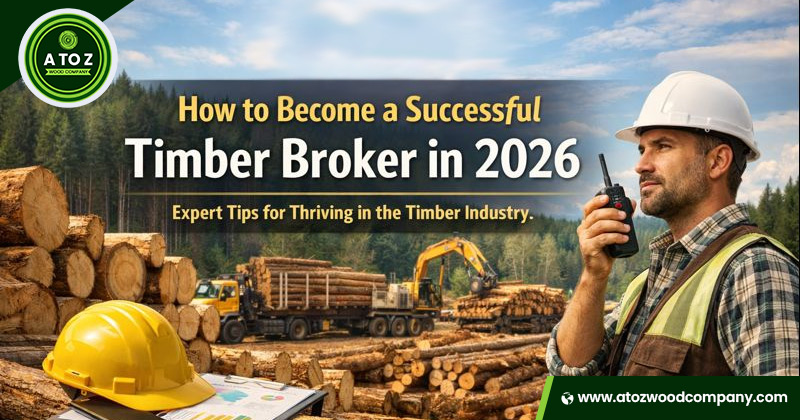
How to Become a Successful Timber Broker in 2026

successful timber broker

The timber industry continues to grow as global demand for wood products rises — driven by construction, furniture, renewable materials, and sustainability efforts. In 2026, becoming a successful timber broker isn’t just about buying and selling wood; it’s about mastering market trends, building strong relationships, leveraging digital tools, and maintaining ethical and sustainable practices.

If you’re ready to take your timber brokering career to the next level, this guide will walk you through step-by-step strategies, industry insights, and actionable tips that can truly make you stand out in the competitive timber market.

What Is a Timber Broker?

A timber broker is a professional intermediary who connects timber suppliers (forest owners, mills, exporters) with buyers (manufacturers, wholesalers, retailers). Brokers facilitate transactions, negotiate prices, handle logistics, and ensure quality standards — often without owning inventory themselves.

This position demands:

  • Deep market knowledge

  • Strong negotiation skills

  • Trustworthy relationships

  • Understanding of legal, environmental, and logistical nuances

Becoming a successful broker means mastering all of these traits and more.

Why Timber Brokering Is a Lucrative Career in 2026

The timber industry is undergoing major transformation due to:

  • Sustainability demands

  • Traceability requirements

  • Global infrastructure growth

  • Renewables & eco-friendly construction trends

Today’s buyers demand responsibly sourced wood. This creates an opportunity for brokers who can confidently deliver verified, high-quality timber products while ensuring compliance with environmental standards.

With the right strategy, you can build a profitable business that thrives on trust and transparency — essential traits in 2026 markets.

Step-by-Step Roadmap to Becoming a Leading Timber Broker

1. Build Deep Timber Market Knowledge

Before engaging in transactions:

  • Study timber species, grades, and uses

  • Understand global market pricing

  • Learn trade regulations and certifications (e.g., FSC, PEFC)

  • Monitor demand trends in USA, EU, India, China, Middle East, and Oceania

2. Learn Trading and Negotiation

Brokers are negotiators at heart. Strengthen your skills by:

  • Practicing win-win negotiation techniques

  • Understanding buyer motivations and supplier constraints

  • Using data to justify pricing and terms

3. Build a Strong Network of Suppliers and Buyers

Your network is your capital as a broker.

Focus on:

  • Forest owners and plantation operators

  • Sawmills and processing units

  • Importers, manufacturers, and wholesalers

  • Logistics providers

Attend timber expos, trade fairs, and forestry conferences. Join industry associations to expand reach.

Partnering with established companies can accelerate growth — for example, explore collaboration opportunities with companies like AtoZ Wood Company through their brokerage services.

4. Understand Legal & Compliance Requirements

Timber brokering involves:

  • Contract negotiation

  • Compliance with export-import regulations

  • Understanding phytosanitary standards

  • Ensuring proper documentation (CITES, customs paperwork)

Don’t overlook legal responsibilities — hire a consultant or legal advisor if needed.

5. Master Digital Tools & Platforms

In 2026, digital presence matters. Embrace:

  • CRM systems for client management

  • Market intelligence and pricing apps

  • Online listing platforms

  • Digital contracts and e-signatures

6. Provide Excellent Customer Service

Reputation sets apart the best brokers. Go beyond transactions by:

  • Offering transparent pricing breakdowns

  • Providing quality assurance insights

  • Responding quickly to queries

  • Handling logistics tracking for clients

Repeat customers and referrals are gold in timber brokering.

7. Understand Logistics & Supply Chain Challenges

Reliable delivery is key. Brokers must coordinate:

  • Port clearances

  • Inland transport

  • Packaging and palletization

  • Insurance coverage

Partner with trustworthy logistics firms that specialize in wood exports.

8. Stay Ethical & Promote Sustainability

Current markets value responsibly sourced timber. Buyers often require:

  • Chain-of-custody certifications

  • Verified harvest dates

  • Traceability from forest to delivery

Brokers who can assure transparency and sustainability will enjoy:

  • Premium pricing

  • Better client retention

  • Wider market access

Essential Skills Every Timber Broker Needs in 2026

Skill Why It Matters
Market Research Helps you spot trends and price fluctuations early
Negotiation Secures better deals for both buyers and sellers
Communication Builds trust and clarity with clients
Legal Understanding Prevents disputes and regulatory issues
Tech Savvy Improves efficiency and reach
Sustainability Knowledge Aligns with global eco-compliance standards

How to Find Your First Clients as a New Broker

Start with:

  • Local sawmills and plantation owners

  • Niche wood buyers (furniture makers, specialty wood importers)

  • Online marketplaces for timber products

  • Industry networking events and forums

Offer introductory pricing or pilot shipments to build trust.

How Strategic Partnerships Elevate Your Brokerage

Partnering with established timber players adds credibility, access, and supply depth. For example:

👉 Partner with AtoZ Wood Company — a globally trusted timber supplier with sustainable sourcing and export experience. Becoming a partner can help you:

  • Expand your supply network

  • Offer diverse wood species and grades

  • Provide efficient export logistics

  • Deliver consistent quality

Explore partnership benefits here: https://atozwoodcompany.com/partner-with-us/

Partner With AtoZ Wood Company: Build a Profitable & Sustainable Timber Business in 2026

In the evolving global timber industry, strategic partnerships matter more than ever. As demand for responsibly sourced, high-quality timber continues to rise across construction, furniture, and infrastructure sectors, businesses are actively seeking reliable, transparent, and scalable timber partners.

This is where AtoZ Wood Company stands apart.

If you are a timber broker, importer, distributor, wholesaler, construction supplier, or wood trader, partnering with AtoZ Wood Company in 2026 can unlock long-term growth, stable supply, and global market access.

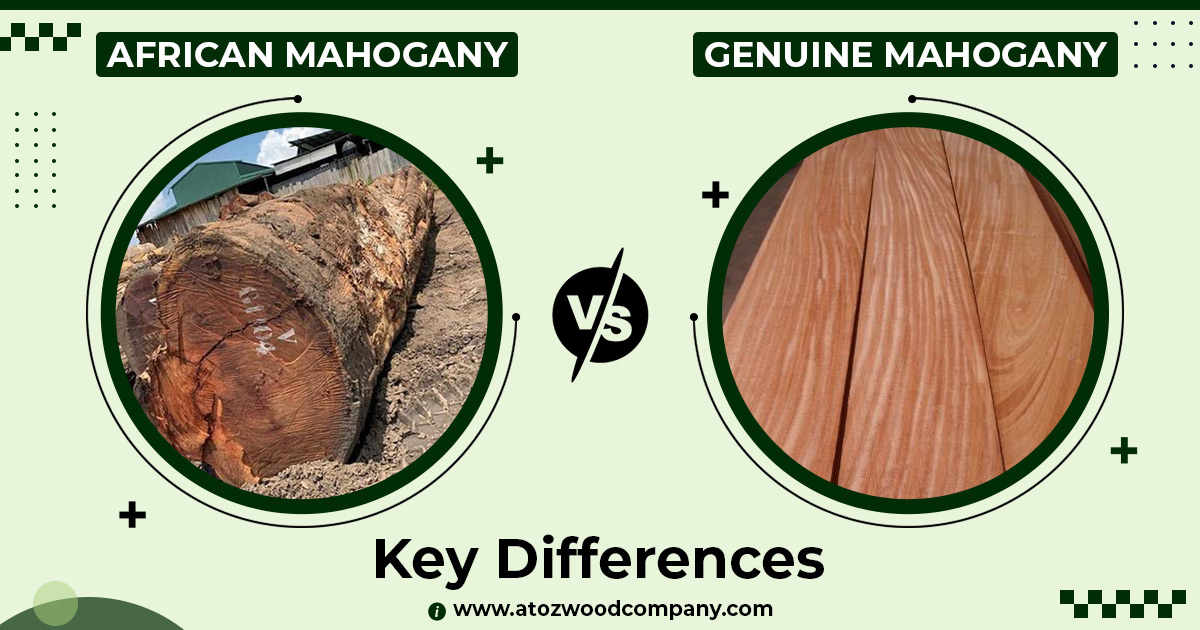
African Mahogany vs Genuine Mahogany – Key Differences

african mahogany vs genuine mahogany

Mahogany is one of the most sought-after hardwoods in the global timber trade. However, many buyers often confuse African Mahogany with Genuine Mahogany, assuming they are the same species. In reality, they differ significantly in botanical classification, durability, appearance, price, and applications.

This detailed comparison will help you understand the real differences between the two, enabling you to make an informed choice for furniture manufacturing, construction, marine use, or bulk timber sourcing.

Understanding the Two Mahoganies

What Is African Mahogany?

It refers to several hardwood species native to West and Central Africa, mainly from the Khaya genus, including:

  • Khaya ivorensis

  • Khaya senegalensis

  • Khaya anthotheca

  • Khaya grandifoliola

These species are widely exported for furniture, doors, plywood, flooring, and boat building, making it a major player in the international timber market.

What Is Genuine Mahogany?

It is also known as True Mahogany, comes from the Swietenia genus, primarily:

  • Swietenia macrophylla (Honduran Mahogany)

  • Swietenia mahagoni (Cuban Mahogany – now restricted)

Native to Central and South America, Genuine Mahogany is considered the premium benchmark hardwood, prized for its consistency, beauty, and exceptional workability.

African Mahogany vs Genuine Mahogany: Technical Comparison

Feature African Mahogany Genuine Mahogany
Botanical Genus Khaya Swietenia
Origin Africa Central & South America
Density (12% MC) 530–670 kg/m³ 480–640 kg/m³
Durability Class Moderately durable Durable
Stability Good Excellent
Grain Pattern Interlocked Straight & uniform
Color Pinkish brown to reddish Deep reddish-brown
Workability Good (may tear) Excellent
Price More affordable Premium & expensive
Availability Widely available Limited supply

Strength, Durability & Performance

African Mahogany Performance

It offers good strength and moderate natural durability, making it suitable for:

  • Interior furniture

  • Doors and frames

  • Veneers and plywood

  • Medium-duty construction

However, its interlocked grain can cause tearing during machining if not handled correctly.

Genuine Mahogany Performance

It is renowned for its exceptional dimensional stability, minimal movement, and resistance to warping. This makes it ideal for:

  • High-end furniture

  • Luxury interiors

  • Musical instruments

  • Marine and boat components

Its consistent grain allows for precise cutting, shaping, and finishing.

Appearance & Aesthetic Differences

  • African Mahogany typically displays a lighter tone with more variation in color and grain, making it suitable for large projects where cost efficiency matters.

  • Genuine Mahogany offers a rich, deep, uniform reddish-brown hue that darkens beautifully with age, making it the preferred choice for luxury applications.

Workability & Finishing

  • African Mahogany machines well but may require sharp tools due to grain interlocking.

  • Genuine Mahogany is considered one of the best woods to work with, responding excellently to sanding, carving, polishing, and staining.

Both species accept finishes well, but Genuine Mahogany produces a smoother, more refined final surface.

Price & Market Availability

  • African Mahogany price is significantly lower due to wider availability and multiple species.

  • Genuine Mahogany price is higher due to limited supply, strict regulations, and slow growth rates.

For bulk timber buyers, African Mahogany is often the more economical and scalable option.

Sustainability & Legal Considerations

Genuine Mahogany is subject to CITES regulations, making sourcing more complex and documentation-intensive.

African Mahogany, when harvested from certified and sustainably managed forests, offers a more reliable and compliant supply chain, especially for international exports.

At AtoZ Wood Company, African Mahogany is sourced using strict sustainable harvesting practices, ensuring legal compliance, environmental responsibility, and long-term supply stability.

Best Applications: Which Mahogany Should You Choose?

Choose African Mahogany if you need:

  • Bulk timber supply

  • Cost-effective hardwood

  • Furniture, doors, flooring, and plywood

  • Reliable international shipping availability

Choose Genuine Mahogany if you need:

  • Premium aesthetics

  • High-end furniture or marine use

  • Exceptional stability and workability

  • Luxury or heritage-grade projects

Final Verdict

While both woods carry the “mahogany” name, they serve different market needs:

  • African Mahogany is a versatile, affordable, and widely available hardwood ideal for large-scale projects and commercial applications.

  • Genuine Mahogany remains the gold standard for premium woodworking but comes with higher costs and limited availability.

Understanding these differences ensures you select the right wood for your budget, application, and performance requirements.

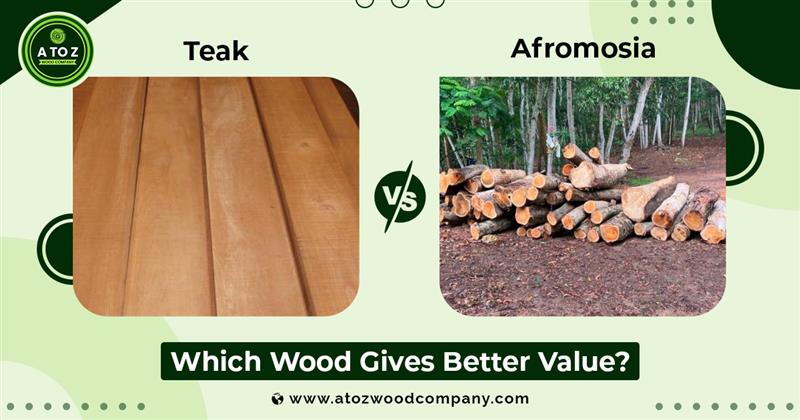
Teak vs Afromosia: Which Wood Gives Better Value?

teak vs afromosia

When choosing a premium hardwood for construction, furniture, decking, or marine applications, Afromosia wood and Teak wood are often compared due to their similar appearance, durability, and prestige. Both species are globally recognized for their strength, resistance to decay, and long service life. However, their origin, physical properties, sustainability, price, and best-use cases differ significantly.

This in-depth comparison of Afromosia vs Teak will help importers, builders, and designers make an informed decision based on performance, cost, and application requirements.

Overview of Afromosia and Teak

What Is Afromosia Wood?

Different colors of afromosia wood

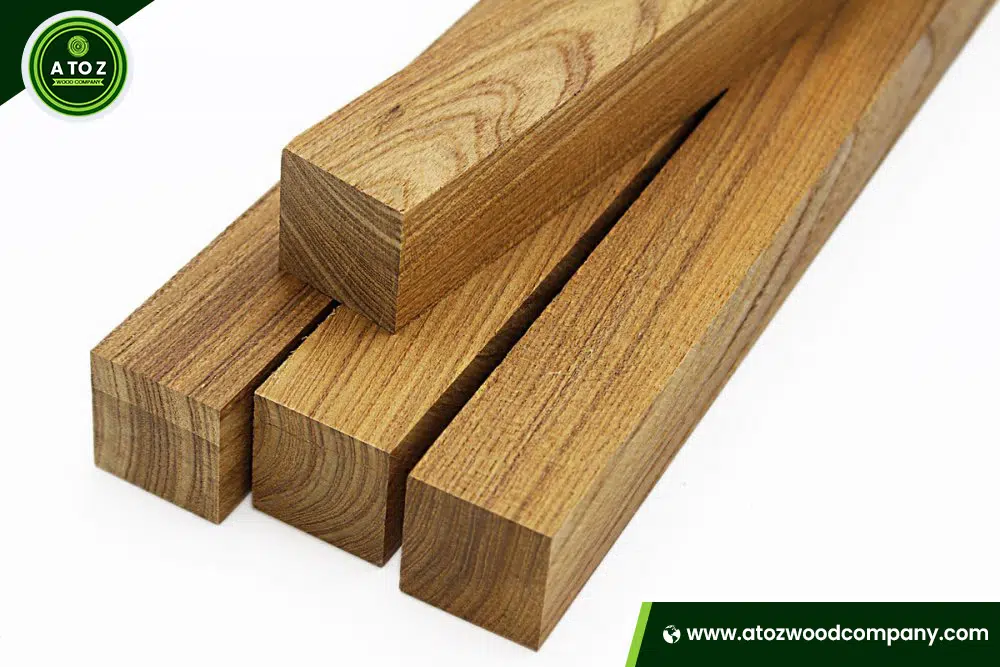
Afromosia (Pericopsis elata), often referred to as African Teak, is a high-value tropical hardwood native to Central and West Africa, particularly Cameroon, Ghana, and the Congo Basin. Despite the nickname, Afromosia is not true teak but closely resembles it in appearance and durability.

Afromosia is widely used for luxury flooring, furniture, doors, windows, and exterior joinery, especially in European markets.

What Is Teak Wood?

different color teak wood

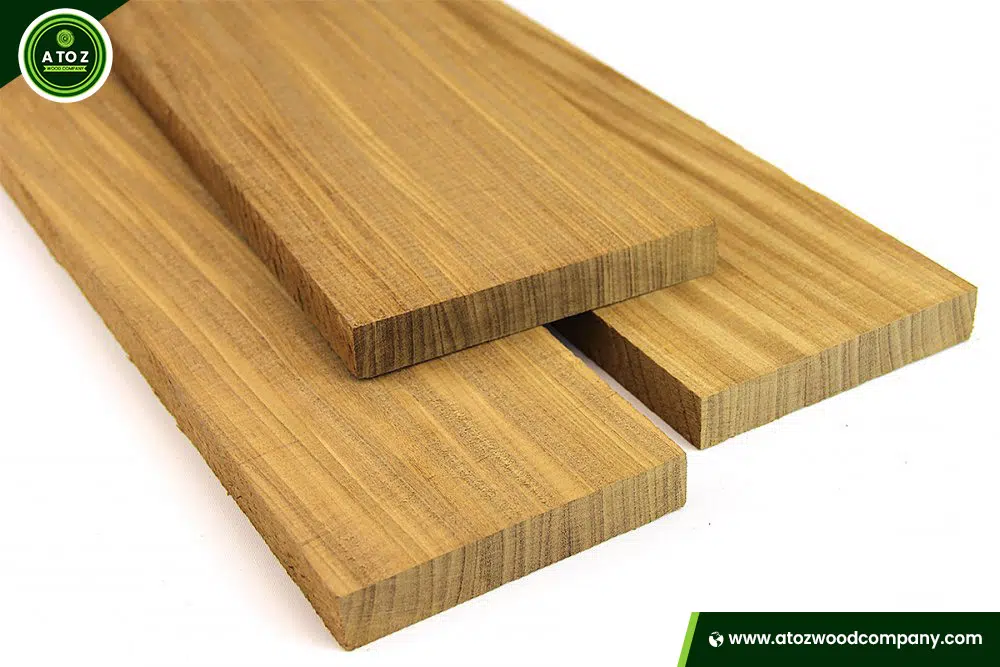
Teak (Tectona grandis) is a world-famous hardwood primarily sourced from Myanmar, India, Laos, and plantation-grown regions in Africa and Latin America. Genuine teak lumber is known for its natural oils, silica content, and exceptional weather resistance, making it a preferred choice for marine applications and outdoor furniture.

Afromosia vs Teak: Side-by-Side Comparison

Property Afromosia Wood Teak Wood
Botanical Name Pericopsis elata Tectona grandis
Origin Central & West Africa Southeast Asia, Africa, Latin America
Density (12% MC) ~650–700 kg/m³ ~630–680 kg/m³
Durability Class Class 1–2 (Very Durable) Class 1 (Extremely Durable)
Natural Oils Moderate High
Termite Resistance High Very High
Color Golden brown to dark brown Golden yellow to medium brown
Stability Excellent Excellent
Sustainability Regulated & certified sources Scarce natural forests, plantation supply

Durability and Lifespan

Afromosia Durability

Afromosia is classified as very durable, offering strong resistance to rot, fungi, and insects. When properly dried and treated, it performs exceptionally well in both interior and exterior environments, with a service life exceeding 30–40 years.

Teak Durability

Teak is often considered the benchmark for durability. Its high oil and silica content naturally protect it from moisture, saltwater, and pests. Teak products can last 50+ years, even in harsh marine or outdoor conditions.

Strength and Mechanical Properties

Both woods exhibit excellent strength-to-weight ratios, making them suitable for structural and decorative uses.

  • Afromosia offers high bending strength and good shock resistance, ideal for flooring and joinery.

  • Teak has slightly lower bending strength but superior dimensional stability due to its oil content.

For most architectural and furniture applications, both species perform exceptionally well.

Appearance and Aesthetic Appeal

Afromosia Appearance

  • Rich golden to dark brown tones

  • Straight to slightly interlocked grain

  • Smooth, uniform texture

  • Ages beautifully with a deep patina

Teak Appearance

  • Golden yellow to honey brown

  • Straight grain with occasional waves

  • Natural luster due to oils

  • Develops a silver-grey patina outdoors

Workability and Finishing

  • Afromosia machines, sands, and finishes well, though interlocked grain may require sharp tools.

  • Teak is easy to work with but can dull tools due to silica content.

Both woods accept oils and finishes well, but teak often requires less surface treatment due to its natural oils.

Price and Market Availability

Afromosia Wood Price

Afromosia is generally more affordable than genuine teak, especially in bulk quantities. Pricing varies based on:

  • Thickness and grading

  • FSC or legal certification

  • Kiln-dried vs air-dried supply

Teak Wood Price

Teak is among the most expensive hardwoods globally, particularly Burmese teak, which is limited by trade restrictions. Plantation teak is more accessible but still costly.

Cost Advantage:
Afromosia offers teak-like performance at a lower price, making it attractive for large-scale projects.

Sustainability and Legal Considerations

Both species are regulated due to high demand.

  • Afromosia is listed under CITES Appendix II, requiring legal documentation and sustainable sourcing.

  • Teak natural forests are heavily restricted; plantation teak is the most sustainable option.

Reputable suppliers like AtoZ Wood Company follow strict sustainable harvesting practices, legal export documentation, and responsible forest management.

Best Applications: Afromosia vs Teak

Choose Afromosia If You Need:

  • High-end flooring and staircases

  • Doors, windows, and interior joinery

  • Luxury furniture

  • Teak-like appearance at a better price

Choose Teak If You Need:

  • Marine decking and boat building

  • Outdoor furniture and cladding

  • High-moisture environments

  • Maximum longevity with minimal maintenance

Final Verdict: Afromosia or Teak?

There is no single “better” wood—only the right wood for your application.

  • Teak remains unmatched for marine and extreme outdoor use.

  • Afromosia is an outstanding alternative, delivering durability, beauty, and stability at a more competitive cost, especially for architectural and interior projects.

For buyers seeking bulk hardwood supply, certified African timber, and global export support, Afromosia presents exceptional value. AtoZ Wood Company supplies legally sourced, sustainably harvested Afromosia and premium hardwoods in bulk and custom sizes for international market.

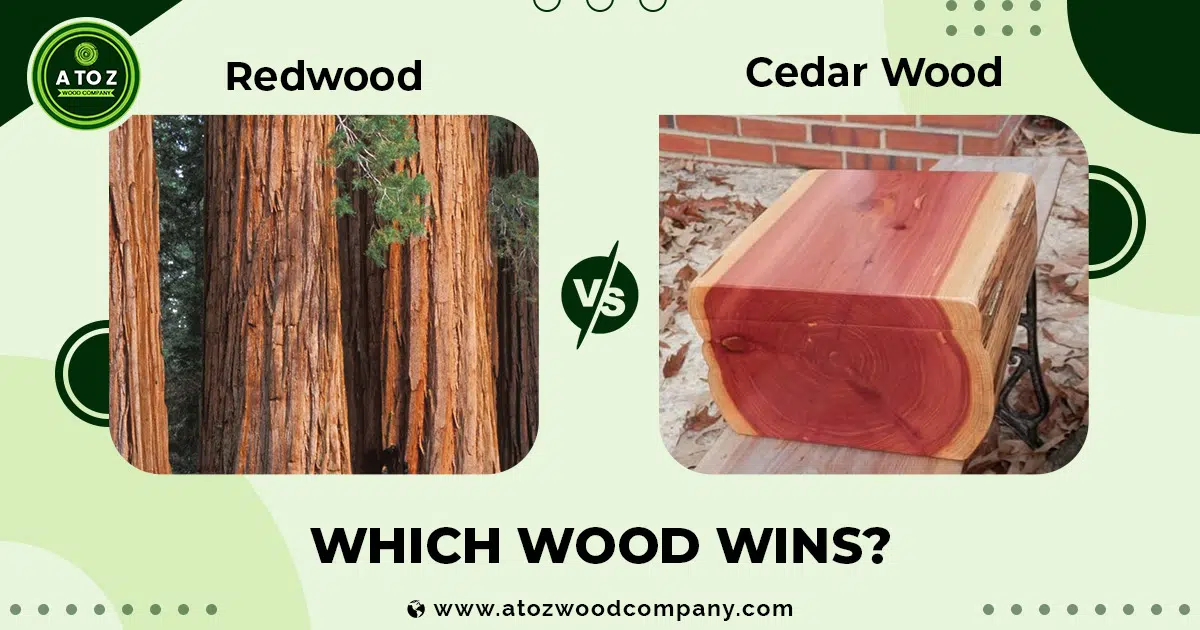
Redwood vs Cedar Wood: Strength, Durability, Uses & Differences

redwood vs cedar

When it comes to choosing high-quality wood for outdoor or indoor projects, two names always stand out — Redwood and Cedar. Both are naturally beautiful, durable, and resistant to decay, making them top choices for decking, siding, fencing, and furniture. But how do you decide which one suits your needs best?

In this detailed comparison, we’ll explore their durability, color, strength, maintenance, and cost, helping you make an informed decision for your next woodworking or construction project.

Overview of Redwood and Cedar

Redwood

It comes primarily from the coastal regions of California and Oregon (USA). Known for its rich reddish-brown hue, straight grain, and natural resistance to insects, redwood is prized for its strength-to-weight ratio and longevity. It’s a premium softwood often used in high-end outdoor constructions like decks, pergolas, and furniture.

Cedar

Cedar is another popular softwood, sourced mainly from Western Red Cedar trees in North America. It has a distinct aromatic scent and features a warm light brown to pinkish-red color. Cedar is widely appreciated for its excellent weather resistance, dimensional stability, and pleasant appearance, making it ideal for siding, shingles, and outdoor furniture.

Appearance and Aesthetics

Both have distinctive natural looks that appeal to designers and homeowners alike.

Feature Redwood Cedar
Color Deep reddish-brown tones that darken over time Light amber to reddish-pink with subtle variation
Grain Straight and even Fine, uniform, and aromatic
Texture Smooth and rich Soft and slightly porous

If you want a warm, luxurious look, Redwood’s deep red tone stands out. But if you prefer a lighter, natural aesthetic, Cedar offers a more rustic charm.

Durability and Weather Resistance

Both woods are naturally resistant to rot, decay, and insects, but Redwood tends to be slightly more durable due to its higher natural oil content.

  • Redwood: Contains tannins and natural resins that prevent rot, giving it a longer outdoor lifespan (20–30 years with proper care).

  • Cedar: Also resists decay and insects well but may require regular sealing to maintain longevity (15–25 years outdoors).

In humid or coastal climates, Redwood typically outlasts Cedar, but both perform exceptionally well compared to other softwoods.

Strength and Density

When comparing structural performance, Redwood is denser and stronger than Cedar.

Property Redwood Cedar
Janka Hardness ~450 lbf ~350 lbf
Density 450 kg/m³ 380 kg/m³
Load-bearing Strength Higher Moderate

If you’re planning for heavy-duty decking, beams, or outdoor furniture, Redwood provides better structural stability and resistance to warping.

Maintenance and Longevity

Both require periodic maintenance to preserve their natural beauty.

  • Redwood: Minimal maintenance — can be left unfinished to weather naturally to a silvery gray patina or treated with a sealant to retain its color.

  • Cedar: Needs more frequent sealing or staining, as it’s lighter and can fade faster under UV exposure.

Cost Comparison

Cost often becomes the deciding factor.

  • Redwood: Generally more expensive due to limited availability and higher demand in premium markets.

  • Cedar: More budget-friendly and widely available, especially for large projects.

If cost is a concern, Cedar offers a more economical option without compromising much on aesthetics or performance.

Workability and Finishing

Both species are easy to work with, allowing smooth cutting, drilling, and nailing.

  • Redwood: Slightly denser, offering a cleaner finish and less tendency to splinter.

  • Cedar: Softer, easier to carve, and holds paint or stain effectively.

For custom designs or intricate projects, Cedar might be easier to handle, while Redwood provides a refined, polished finish.

Sustainability and Environmental Impact

Both Redwood and Cedar are renewable and sustainably harvested under strict forestry regulations.

At AtoZ Wood Company, we ensure all our wood products — including premium softwoods like Redwood and Cedar — are sourced from responsibly managed forests. Our eco-friendly harvesting methods protect biodiversity while providing high-quality timber for global clients.

Choosing either wood supports sustainable construction and environmentally conscious design.

Best Applications

Application Redwood Cedar
Decking ✅ Excellent ✅ Very good
Outdoor Furniture ✅ Excellent ✅ Good
Fencing ✅ Durable ✅ Cost-effective
Siding ✅ Luxurious finish ✅ Rustic aesthetic
Pergolas & Gazebos ✅ Premium look ✅ Great performance
Interior Use ✅ Warm tones ✅ Light and aromatic

Redwood vs Cedar: Which One Should You Choose?

If you want premium quality, durability, and rich appearance, go with Redwood.
If you’re looking for affordability, good weather resistance, and ease of maintenance, Cedar is a smart choice.

Ultimately, both woods offer timeless beauty and performance — your final choice depends on budget, climate, and aesthetic preferences.

In this debate, there’s no single winner — both are exceptional choices for sustainable, long-lasting, and visually stunning woodwork.

At AtoZ Wood Company, we supply high-quality Redwood and Cedar timber for decking, fencing, cladding, and construction projects across Asia, Europe, Oceania, and North America. Our commitment to sustainable sourcing, precision processing, and global delivery ensures you get the best wood for every project.

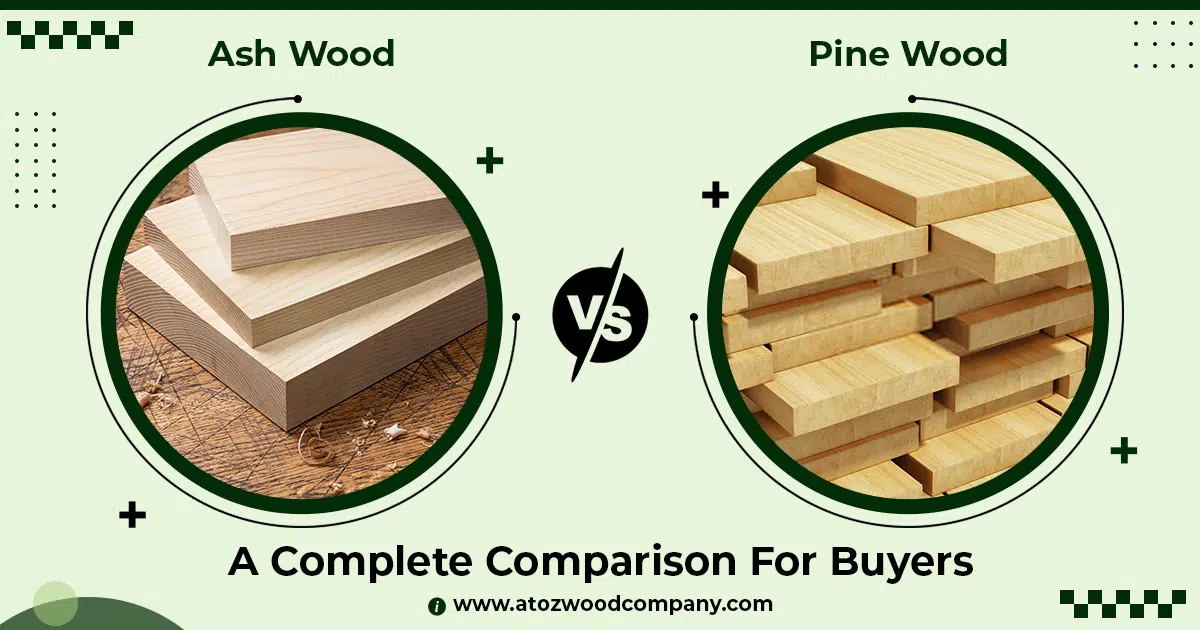
Ash vs Pine Wood: A Complete Comparison For Buyers

ash vs pine wood

Ash and Pine wood are widely used in furniture, flooring, cabinetry, and even large-scale timber construction — but they differ significantly in appearance, durability, hardness, and price.

In this detailed comparison, we’ll explore Ash vs Pine wood from every angle — helping you choose the best wood for your purpose, budget, and environment.

Overview of Ash Wood

It is a hardwood derived mainly from the Fraxinus genus. It’s popular for its strength, flexibility, and shock resistance, making it a top choice for high-end furniture, flooring, and sports equipment.

Key Characteristics of Ash Wood

  • Type: Hardwood

  • Color: Light cream to beige with straight, uniform grain

  • Texture: Smooth with open pores

  • Durability: Highly durable and strong

  • Common Uses: Furniture, doors, flooring, veneers, tool handles, staircases

Pros of Ash Wood

✅ High strength-to-weight ratio
✅ Attractive grain patterns similar to oak
✅ Good workability for carving and machining
✅ Excellent bending properties

Cons of Ash Wood

❌ Not suitable for outdoor use without treatment
❌ Can darken over time when exposed to sunlight
❌ Slightly more expensive than softwoods

Overview of Pine 

It is a softwood sourced from the Pinus genus. It’s abundant, lightweight, and more affordable — which makes it a favorite for large-scale construction, furniture making, and interior décor.

Key Characteristics of Pine 

  • Type: Softwood

  • Color: Pale yellow to light brown with visible knots

  • Texture: Medium to coarse grain

  • Durability: Moderately durable; can last long when treated

  • Common Uses: Furniture, flooring, paneling, doors, plywood, joinery

Pros of Pine Wood

✅ Cost-effective and easy to find
✅ Lightweight and easy to work with
✅ Accepts paint, stain, and polish very well
✅ Eco-friendly and fast-growing

Cons of Pine Wood

❌ Softer and more prone to dents and scratches
❌ Susceptible to decay and insects if untreated
❌ Visible knots can affect appearance

Ash vs Pine Wood: Detailed Comparison

Property Ash Pine 
Wood Type Hardwood Softwood
Density 670–700 kg/m³ 420–500 kg/m³
Color & Appearance Light beige, straight grain Pale yellow with knots
Hardness (Janka) ~1320 lbf ~380 lbf
Durability High Moderate
Workability Excellent for machining and bending Easy to cut, drill, and finish
Resistance to Decay Moderate (requires finish) Low (needs treatment)
Common Uses Premium furniture, flooring, handles Budget furniture, interiors, construction
Price Higher Affordable

Appearance and Grain Pattern

Ash has a smooth, straight grain that gives it a refined, elegant look — often compared to oak. Its subtle patterns make it ideal for luxury furniture and decorative interiors.

Pine, on the other hand, features visible knots and a distinct rustic charm, perfect for country-style or farmhouse décor. Its natural patterns make it a favorite for interior walls, ceilings, and cottage-style furniture.

Strength and Durability

Ash wood is significantly stronger and harder than pine. It can withstand wear and tear, making it suitable for floors, staircases, and heavy-duty furniture.

Pine wood, being softer, can get scratched or dented easily, but it’s still reliable for light furniture, shelving, and paneling. Treated pine can also perform well in construction and outdoor projects.

Workability and Finishing

Both are known for their excellent workability.

  • Ash wood machines smoothly, holds screws and nails firmly, and can be bent without cracking — ideal for curved furniture or crafted pieces.

  • Pine wood is lighter and easier to cut, making it perfect for DIY projects, interior fittings, and custom joinery.

Both woods take stains and finishes beautifully — but Ash tends to show off its natural grain better, while Pine often benefits from paints or dark stains.

Sustainability and Availability

At AtoZ Wood Company, both Ash and Pine are sourced from responsibly managed forests following international sustainability standards.

  • Ash wood typically comes from mature forests with selective harvesting methods.

  • Pine wood grows faster and regenerates quickly, making it one of the most eco-friendly timber options available.

Both types can be supplied in logs, sawn timber, or slabs, ready for export and bulk orders.

Applications: Where to Use Each

Use Ash Wood for:

  • Premium indoor furniture

  • Flooring and staircases

  • Sports goods (e.g., baseball bats)

  • Tool handles and decorative veneers

Use Pine Wood for:

  • Budget-friendly furniture

  • Interior wall paneling

  • Doors, frames, and moldings

  • Outdoor furniture (when pressure-treated)

Cost and Value

When comparing Ash vs Pine wood price, Pine is clearly the more affordable choice. It’s widely available and easier to transport, making it ideal for large projects on a budget.

Ash, however, justifies its price with superior strength, texture, and longevity, offering long-term value for high-end builds and furniture pieces.

Which Wood Should You Choose?

  • Choose Ash Wood if you want:
    → Strength, durability, and premium aesthetics.
    → Long-lasting furniture or flooring.
    → A hardwood that adds value to your interiors.

  • Choose Pine Wood if you prefer:
    → Cost-effective timber with versatility.
    → A lighter, rustic appearance.
    → Eco-friendly, fast-growing wood for large-scale use.

Conclusion

Both Ash and Pine wood bring unique benefits to the table. While Ash offers hardwood luxury and resilience, Pine delivers affordability and warmth.

At AtoZ Wood Company, we supply both Ash and Pine wood in bulk and retail quantities, available as logs, sawn timber, and slabs — all sustainably harvested and ready for export to over 30 countries.

Whether you’re building furniture, flooring, or a large-scale timber project, our experts can help you choose the right wood type to match your design, durability, and budget needs.

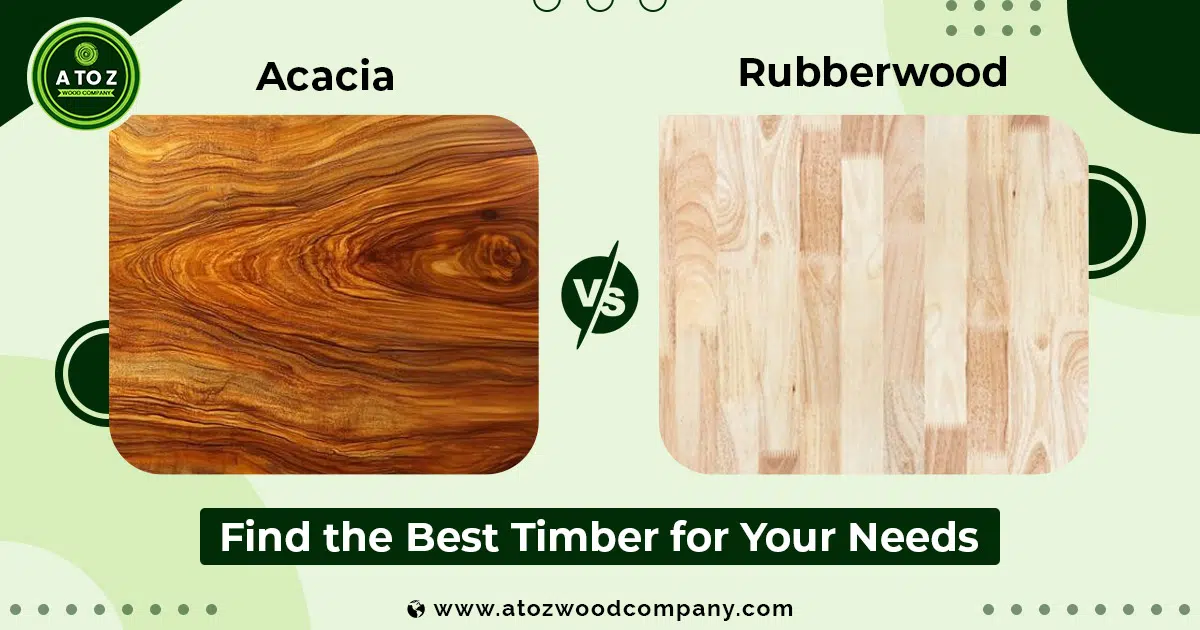
Acacia vs Rubberwood: Differences, Durability & Uses Explained

acacia vs rubberwood

Both acacia and rubberwood are durable, sustainable, and affordable hardwood options—but they differ significantly in texture, strength, and appearance. Understanding their unique properties can help buyers, woodworkers, and manufacturers make informed decisions.

In this comprehensive comparison, we’ll explore the origins, characteristics, advantages, disadvantages, and uses of Acacia vs. Rubberwood, helping you determine which one best suits your project.

Overview of Acacia Wood

It is a dense hardwood sourced from fast-growing Acacia trees, primarily found in Asia, Africa, and Australia. Known for its rich grain patterns, golden-brown hues, and exceptional hardness, Acacia has become a popular choice for both indoor and outdoor furniture.

Key Features of Acacia

  • Scientific name: Acacia mangium, Acacia auriculiformis, and others

  • Color: Ranges from light amber to deep reddish-brown

  • Grain pattern: Varies from straight to wavy, often striking and decorative

  • Density: 700–850 kg/m³ (high density)

  • Durability: Naturally resistant to water, decay, and insects

  • Workability: Easy to machine and polish but requires pre-drilling for screws

Popular Uses of Acacia Wood

  • Premium indoor and outdoor furniture

  • Flooring and paneling

  • Kitchen countertops and cutting boards

  • Boat decks and garden benches

  • Decorative veneers

Overview of Rubberwood

Also known as Hevea brasiliensis, originates from the rubber tree plantations of Southeast Asia. After 20–25 years of latex production, the trees are harvested for timber, making Rubberwood a sustainably recycled and eco-friendly material.

Key Features of Rubberwood

  • Scientific name: Hevea brasiliensis

  • Color: Light cream to pale yellow

  • Grain pattern: Straight and uniform with a smooth texture

  • Density: 560–650 kg/m³ (moderate density)

  • Durability: Moderately durable, best suited for indoor use

  • Workability: Easy to cut, glue, and finish

Popular Uses of Rubberwood

  • Indoor furniture (tables, chairs, cabinets)

  • Wooden toys and kitchenware

  • Plywood and veneered panels

  • Mouldings and small turned articles

Acacia vs. Rubberwood: Head-to-Head Comparison

Feature Acacia Wood Rubberwood
Origin Naturally grown hardwood Plantation-grown byproduct of latex trees
Color Warm brown to deep reddish tones Pale cream to yellowish-white
Grain & Texture Rich, varied, and wavy grain Straight and uniform grain
Hardness Very hard (1,700+ Janka rating) Medium hard (900–1,000 Janka rating)
Durability Highly durable, weather-resistant Moderately durable; best for interiors
Workability Can be hard to nail but finishes beautifully Easy to machine and glue
Resistance to Moisture Naturally water-resistant Requires protective finishing
Sustainability Harvested selectively; eco-friendly 100% sustainable and renewable
Cost Slightly higher due to density and beauty More affordable and readily available

Acacia Wood: Advantages and Disadvantages

✅ Advantages

  • Exceptional hardness and durability

  • Naturally resistant to termites, fungi, and moisture

  • Distinctive grain patterns add premium appeal

  • Ideal for outdoor and heavy-use furniture

  • Long lifespan with minimal maintenance

❌ Disadvantages

  • Can warp if not properly dried

  • Heavier and harder to cut or drill

  • Higher cost compared to plantation woods

Rubberwood: Advantages and Disadvantages

✅ Advantages

  • Eco-friendly and sustainable (recycled from latex trees)

  • Affordable and easy to work with

  • Smooth, uniform texture ideal for painting or staining

  • Good for indoor furniture and cabinetry

❌ Disadvantages

  • Prone to warping or swelling in high humidity

  • Not suitable for outdoor use

  • Requires chemical treatment to prevent insect attack

Sustainability Factor: Eco-Friendly Comparison

Both Acacia and Rubberwood support sustainable forestry practices, but in different ways:

  • Acacia trees grow rapidly and can be replanted, making them a renewable hardwood source. Many suppliers, like AtoZ Wood Company, follow responsible harvesting—cutting only mature trees while preserving biodiversity.

  • Rubberwood, on the other hand, is a byproduct of the latex industry. Once latex production declines, the wood is repurposed for furniture instead of being burned or discarded—making it one of the most sustainable commercial hardwoods available.

Which Wood Is Better for Furniture?

The right choice depends on your project’s function, style, and environment:

  • Choose Acacia if you want:

    • Outdoor or high-moisture furniture

    • Long-lasting durability and strength

    • A natural, luxurious look with striking grain

  • Choose Rubberwood if you want:

    • Affordable indoor furniture

    • Eco-friendly material with uniform appearance

    • Easy-to-work, lightweight wood for mass production

Price Comparison: Acacia vs. Rubberwood

  • Acacia wood price is generally higher, reflecting its density, durability, and premium aesthetic.

  • Rubberwood price is more budget-friendly, making it ideal for large-scale manufacturing or cost-sensitive projects.

At AtoZ Wood Company, we supply both Acacia and Rubberwood in bulk and custom orders—ensuring every shipment meets international quality and sustainability standards. Whether you’re a furniture manufacturer, distributor, or contractor, our team can help you choose the ideal wood based on your project’s needs.

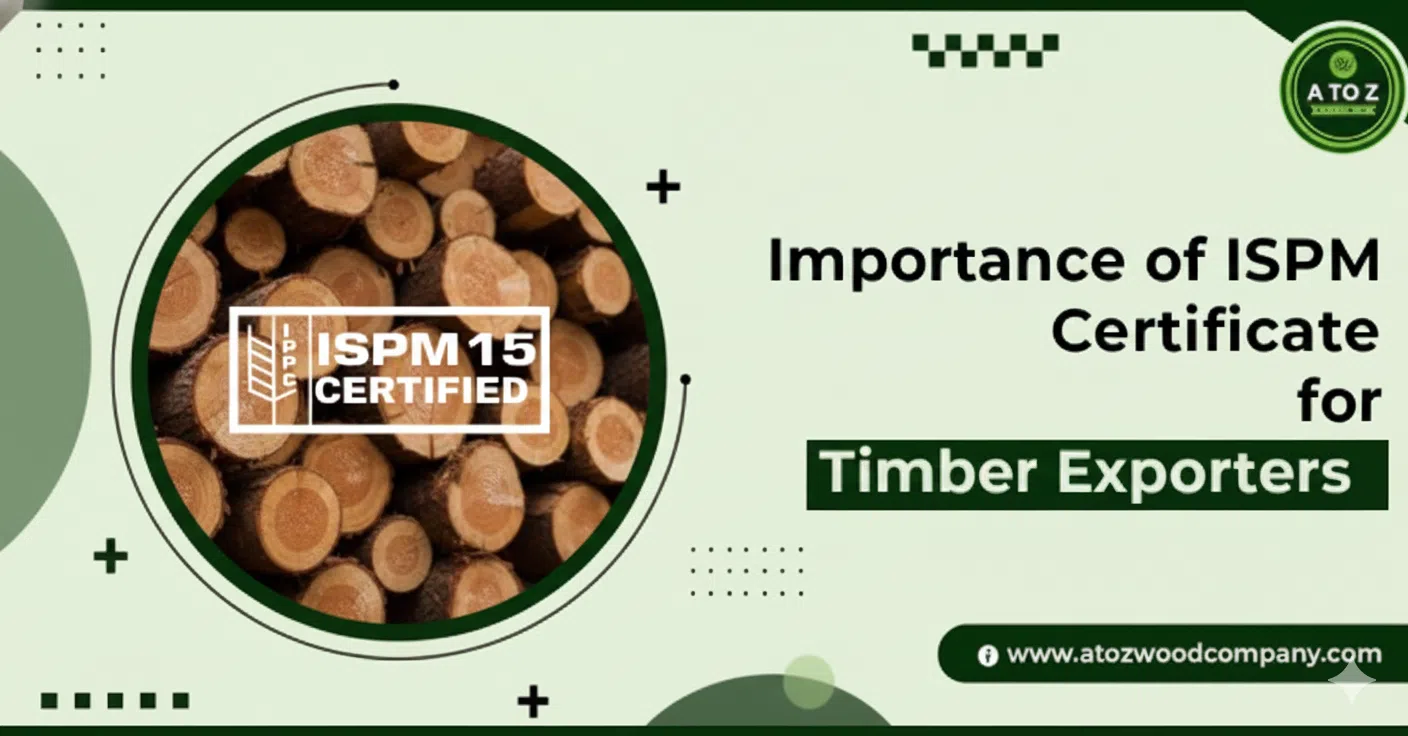
Importance of ISPM Certificate for Timber Exporters

Importance ofISPM Certificate for timber exporters

In the global timber trade, compliance with international plant protection standards is not just good practice — it’s a necessity. One such essential standard is the ISPM Certificate, which ensures that wood packaging materials used in international trade are free from pests and diseases.

At AtoZ Wood Company, we take ISPM compliance seriously. It’s part of our commitment to safe, sustainable, and eco-friendly timber export.

🌍 What Is an ISPM Certificate?

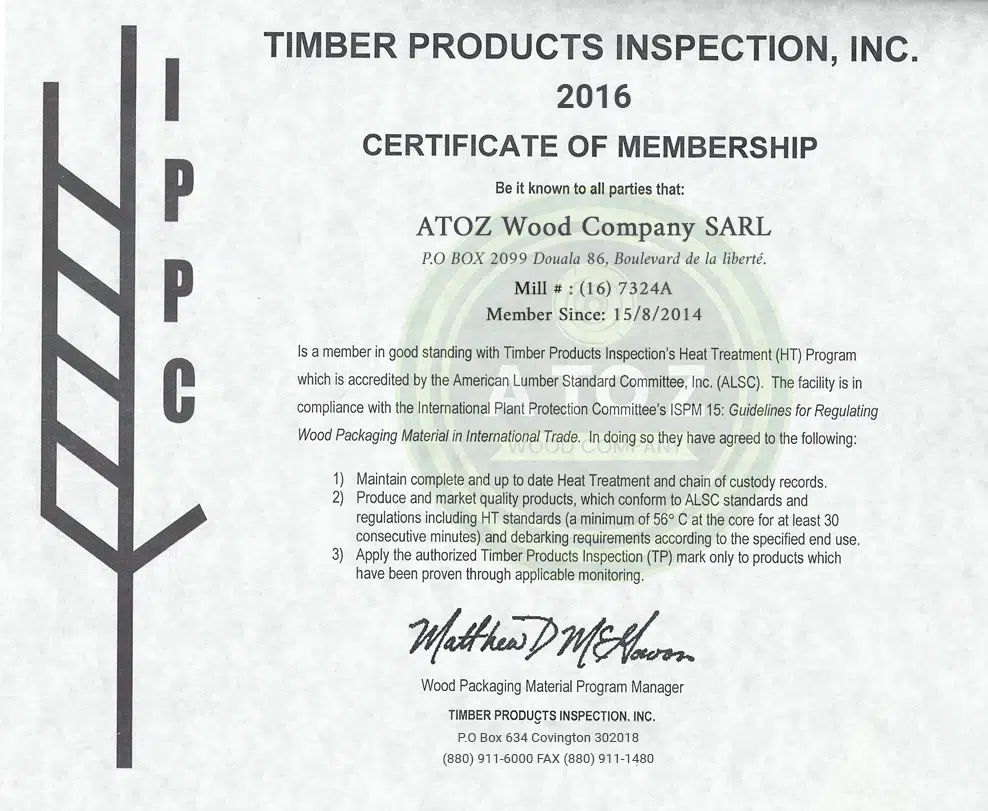
The ISPM Certificate refers to the International Standards for Phytosanitary Measures (ISPM 15) — a global guideline established by the International Plant Protection Convention (IPPC).

ISPM 15 applies to solid wood packaging materials such as pallets, crates, boxes, dunnage, and timber used to support exported goods. The standard ensures that wood used in international shipping is treated to prevent the spread of invasive pests, fungi, or plant diseases across borders.

🔍 Purpose of ISPM 15 Certification

The main goal of the ISPM 15 standard is to protect global forests and ecosystems from harmful pests that could be transported via untreated wood.

Without proper treatment, timber packaging can harbor insects, larvae, and pathogens that threaten native trees in importing countries. ISPM certification guarantees that the wood has undergone an approved phytosanitary treatment — either heat treatment (HT) or methyl bromide fumigation (MB) — to eliminate such risks.

⚙️ How ISPM Certification Works

Here’s how the ISPM 15 certification process typically works:

  1. Treatment:
    Wood is treated by heat or fumigation to destroy pests and larvae.

    • Heat Treatment (HT): Timber is heated to a minimum core temperature of 56°C for at least 30 minutes.

    • Fumigation (MB): Wood is treated with methyl bromide gas under controlled conditions.

  2. Marking:
    Treated wood products are then stamped with the official ISPM 15 mark, which includes:

    • The IPPC symbol 🌿

    • The country code

    • The treatment code (HT or MB)

    • The producer’s unique certification number

  3. Certification Issuance:
    An official ISPM Certificate is issued to verify compliance, which accompanies timber during export inspections and customs clearance.

🏗️ Why the ISPM Certificate Is Crucial for Timber Exporters

1. Ensures Smooth International Trade

Many countries strictly prohibit the import of untreated or uncertified wood packaging. Having ISPM certification ensures your timber shipments clear customs quickly, avoiding costly delays or rejections.

2. Prevents Pest Infestation

Certified wood is pest-free, reducing the risk of spreading harmful insects that can damage ecosystems and agricultural sectors worldwide.

3. Builds Buyer Trust

For global buyers, ISPM certification is a sign of professionalism and reliability. It shows that a supplier like AtoZ Wood Company follows international standards, ensuring safe and legal timber trade.

4. Supports Sustainability Goals

ISPM 15 aligns with global sustainability and conservation efforts. At AtoZ, this complements our eco-friendly harvesting, treatment, and export operations.

5. Protects Reputation and Avoids Penalties

Exporting untreated or uncertified timber can lead to penalties, product rejection, or bans. Maintaining ISPM compliance helps safeguard both reputation and revenue.

🌱 AtoZ Wood Company’s Commitment to ISPM Compliance

ISPM Certification

As a global timber supplier, AtoZ Wood Company ensures that every wooden product and packaging material used in export meets ISPM 15 standards.

Our process includes:

  • Using heat-treated and stamped packaging materials

  • Conducting regular phytosanitary inspections

  • Partnering with certified treatment facilities

  • Providing documentation and traceability for every export shipment

We go beyond compliance — we make it a part of our sustainability mission, ensuring all operations are safe for both people and the planet.

📦 Which Timber Products Require ISPM Certification?

ISPM 15 certification typically applies to:

  • Wooden pallets, crates, and boxes

  • Dunnage and supports used in shipping

  • Sawn timber and logs used for packaging or export purposes

However, it does not apply to products made from processed wood materials, such as:

  • Plywood

  • Particle board

  • Veneer

  • MDF (Medium Density Fiberboard)

These are already considered pest-free due to their manufacturing process.

🌐 The Global Importance of ISPM 15

Over 180 countries follow ISPM 15 guidelines, making it one of the most universally accepted plant protection standards in global trade.

For exporters like AtoZ Wood Company, ISPM certification is not just a legal requirement — it’s a commitment to quality, responsibility, and trustworthiness in every shipment.

💡 Conclusion

In the world of timber export, ISPM certification is more than a document — it’s a passport for your products to reach global markets safely and legally.

At AtoZ Wood Company, every shipment reflects our promise of sustainability, quality, and compliance. From forest to container, we ensure that your timber meets the highest international standards.

Whether you’re importing or buying in bulk, you can rely on AtoZ Wood Company for ISPM-certified, eco-friendly, and sustainable timber.

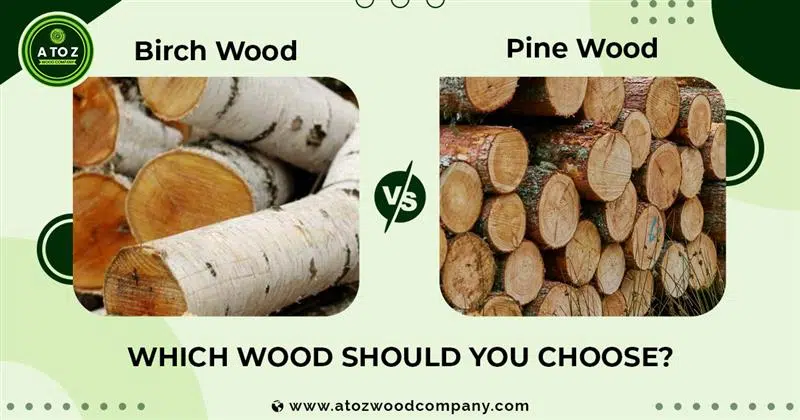
Birch vs Pine: Which Should You Choose?

birch vs pine wood differences

Birch vs Pine is a common comparison, both woods are widely available, versatile, and loved by woodworkers, but they differ significantly in durability, hardness, appearance, and cost. Understanding these differences can help you make an informed decision for your next project.

What is Birch Wood?

It is a hardwood that comes from deciduous trees. It is known for its:

  • Density & Strength – Birch is harder than many hardwoods, making it ideal for furniture and flooring.

  • Appearance – It has a smooth texture with a fine, even grain and light color, often ranging from pale cream to light reddish-brown.

  • Durability – Resistant to wear and tear, making it suitable for high-traffic areas.

  • Applications – Used for cabinets, veneer, plywood, doors, and high-end furniture.

Advantages:

  • Strong and long-lasting

  • Attractive, modern appearance

  • Holds stains and finishes well

Disadvantages:

  • Can be harder to work with due to density

  • Prone to warping if not properly dried

What is Pine Wood?

It is a softwood that comes from coniferous trees. It is valued for its:

  • Light Weight & Workability – Easy to cut, shape, and nail, making it popular for DIY and beginner woodworking projects.

  • Appearance – Ranges from pale yellow to light brown, often with distinctive knots that give it a rustic look.

  • Cost-Effectiveness – More affordable compared to hardwoods like birch.

  • Applications – Common in furniture, shelving, paneling, flooring, and construction materials.

Advantages:

  • Affordable and widely available

  • Easy to work with

  • Natural rustic appeal

Disadvantages:

  • Softer and less durable

  • Dents and scratches easily

  • May darken over time

Birch vs Pine: Quick Overview

Feature Birch Pine
Timber Type Hardwood Softwood
Durability Strong, dense, resistant to wear Softer, more prone to dents and scratches
Appearance Light-colored with smooth, fine grain Light yellow to pale brown with knots
Workability Harder to cut and shape Easy to work with, ideal for beginners
Cost Moderate to high More affordable
Common Uses Cabinets, flooring, furniture, plywood Furniture, paneling, shelving, construction

Head-to-Head Comparison of Birch & Pine Wood

  1. Durability & Hardness

    • Birch is much harder than Pine, making it better for flooring and heavy-use furniture.

    • Pine is softer and more prone to damage, but easier to handle during woodworking.

  2. Appearance

    • Birch offers a sleek, smooth, and uniform look suitable for modern designs.

    • Pine has visible knots and a rustic charm, perfect for farmhouse-style furniture.

  3. Cost

    • Pine is budget-friendly, making it popular for mass-market furniture.

    • Birch costs more but provides durability and a premium finish.

  4. Workability

    • Birch is harder to cut and may require stronger tools.

    • Pine is soft and very easy to shape, stain, or paint.

Choosing the Right Wood

  • Choose Birch if: You want durable, long-lasting, and elegant furniture or flooring with a smooth finish.

  • Choose Pine if: You prefer affordable, lightweight, and rustic-looking wood for casual or DIY projects.

Conclusion

Birch or Pine, your choice depends on your budget, style preference, and project needs. Birch is a durable hardwood with a refined appearance, while Pine is a softer, affordable softwood with rustic charm. Both have unique strengths, making them valuable options for different applications in furniture, flooring, and construction.

At AtoZ Wood Company, we make this decision easier by supplying high-quality Birch and Pine timber sourced through sustainable practices. Whether you need bulk logs, sawn timber, or custom cuts, we provide reliable timber solutions with worldwide shipping. With a reputation built on trust, sustainability, and excellence, AtoZ Wood Company is your go-to partner for premium timber that combines strength, beauty, and value.

What is CITES and Why It Matters for Timber Exporters?

CITES certification for timber exporters

The global timber industry is one of the largest and fastest-growing markets in international trade. From luxury furniture and flooring to construction and interior design, wood plays a vital role in everyday life. However, the rising demand for exotic and rare wood species has also increased the risk of illegal logging, over-harvesting, and biodiversity loss.

To protect endangered species and regulate trade, the international community relies on CITES—the Convention on International Trade in Endangered Species of Wild Fauna and Flora. For timber exporters, importers, and buyers, understanding CITES is essential to ensure compliance, sustainability, and smooth global transactions.

🌍 What is CITES?

CITES is a legally binding international agreement adopted in 1973 and enforced since 1975. Today, more than 184 member countries (Parties) actively participate. Its primary mission is to make sure that international trade in wild plants and animals, including timber species, does not threaten their survival in the wild.

For timber, this means that certain species cannot be traded freely across borders without permits. CITES works as a safeguard, ensuring that global demand does not harm the environment or endanger forest ecosystems.

🌳 CITES-Listed Timber Species

Not all timber falls under CITES regulation. Only specific endangered or vulnerable species are listed under its appendices:

Appendix I – Strict Protection

  • Species threatened with extinction.

  • International commercial trade is generally prohibited.

  • Example: Brazilian rosewood (Dalbergia nigra).

Appendix II – Controlled Trade

  • Species not immediately endangered but require regulation to avoid overexploitation.

  • International trade allowed only with CITES permits.

  • Examples: Afromosia (Pericopsis elata), Bigleaf Mahogany (Swietenia macrophylla), African Rosewood (Dalbergia spp.).

Appendix III – Regional Protection

  • Species protected in at least one country that seeks international cooperation.

  • Example: African teak (Milicia excelsa) in Ghana.

📌 In timber trade, most regulated species fall under Appendix II, where export is allowed but controlled through a permit system.

📜 Why CITES Matters for Timber Exporters

✅ 1. Legal Compliance

Exporters who trade in CITES-listed species must obtain CITES permits. Shipping without them can lead to cargo seizures, heavy fines, and permanent bans from international trade.

✅ 2. Global Market Access

Major importing countries like the USA, EU nations, China, and Australia strictly enforce CITES. Complying with its regulations ensures smooth customs clearance and uninterrupted exports.

✅ 3. Building Trust with Buyers

Today’s buyers want more than just wood—they want sustainability, traceability, and legality. CITES compliance provides assurance that timber is sourced responsibly, boosting customer confidence and brand reputation.

✅ 4. Sustainability and Conservation

CITES ensures that trade and conservation work hand-in-hand. Exporters who follow guidelines contribute to protecting endangered forests, maintaining biodiversity, and securing resources for the future.

How AtoZ Wood Company Ensures CITES Compliance

CITES Certificate

At AtoZ Wood Company, we understand that our clients demand not just high-quality timber, but also legally verified and sustainably sourced wood. That’s why we integrate CITES compliance into every stage of our operations:

  • CITES Permits & Documentation – We obtain and provide all necessary permits for regulated species, ensuring hassle-free export.

  • Sustainable Harvesting – Only mature trees (30+ years) are harvested, with strict limits of two trees per hectare per year.

  • Geo-Referenced Forest Management – Using advanced GPS and mapping systems, we track every harvested tree for transparency.

  • Worker & Community Support – By combining responsible trade with social development, we ensure sustainability beyond just forests.

  • Trusted Global Supply – With exports across Europe, Asia, Oceania, and North America, we meet international legal requirements consistently.

🌿 Conclusion

In today’s competitive market, CITES compliance is more than a legal formality—it is a symbol of trust, responsibility, and long-term growth. For timber exporters, adhering to CITES ensures smooth operations, sustainable sourcing, and access to premium global markets.

At AtoZ Wood Company, we are committed to exporting only CITES-compliant, sustainably harvested timber. Whether you’re looking for mahogany, afromosia, rosewood, or other high-quality wood species, you can rely on us for legality, sustainability, and unmatched service.