Top 10 Types of Teak Wood Explained in Detail

Teak wood is one of the most prized hardwoods in the world, renowned for its durability, beauty, and resistance to weather and pests. Whether you’re a furniture manufacturer, builder, or homeowner looking for premium wood, understanding the different types of teak wood can help you make the best choice for quality and budget.

There are many varieties, the two most common ways to differentiate teak species are their origin and grade. Different species vary greatly in quality, color, grain pattern, physical properties, and longevity. In this guide, we’ll talk about the different types of Teak wood by grade and origin, helping you choose the right fit for your project.

What is Teak Wood?

Tectona grandis is a tropical hardwood found mainly in Southeast Asia, including India, Indonesia, Burma, Thailand, and other regions. It is valued for its striking appearance, natural oils, resistance to pests, and diverse applications. Teak is commonly used for:

  • Outdoor and indoor furniture
  • Boat decks and marine applications
  • Flooring and paneling
  • High-end woodworking projects

Due to its high demand, Teak is now also harvested in plantations across the world, including Africa and South America. Each species has unique traits based on its origin and grade, making them key factors in selecting the right type.

Types of Teak Wood by Origin

Here are the most popular Teak species by origin:

1. African Teak (Iroko)
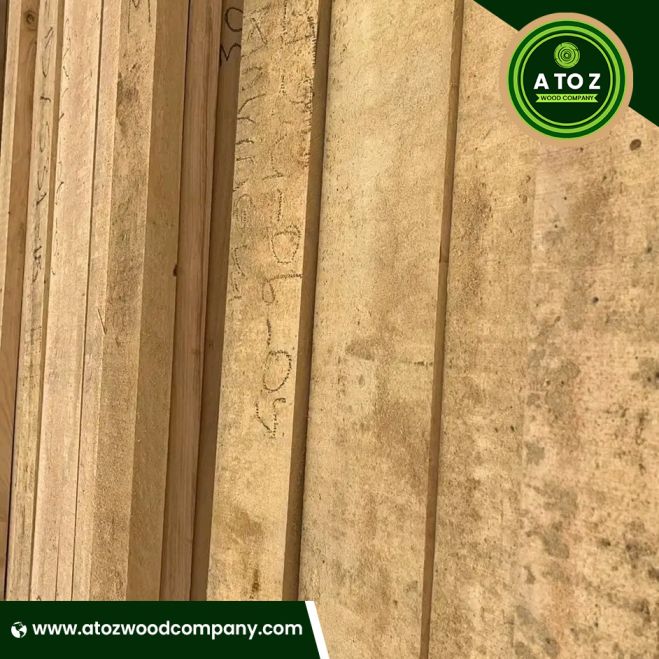
iroko timber

Origin: West Africa
Durability: Comparable to teak
Grain: Irregular
Color: Yellowish to brown

Often marketed as “African teak,” Iroko is not a true teak but is used as an economical alternative. It has lower silica content, making it easier to machine compared to true teak. This can save up to 15% in tooling costs in industrial settings.

2. Burmese Teak (Myanmar Teak)
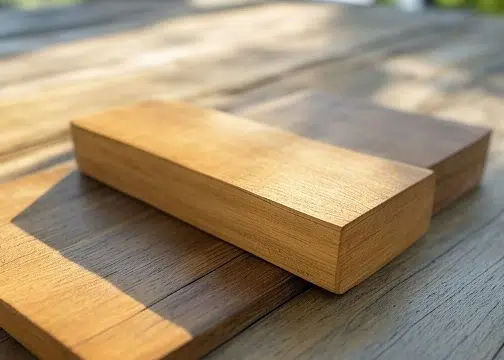
Burmese Teak Myanmar Teak Wood

Origin: Myanmar (Burma)
Durability: Extremely high
Grain: Straight, even
Color: Golden brown, darkens with age

It has the highest natural oil content, giving it unmatched resistance to termites, rot, and water. But what’s often overlooked is its micro-density zoning: wood closer to the tree center (heartwood) is 30–40% denser than outer growth, making inner boards more valuable for marine and luxury furniture applications.

Best Uses: Luxury furniture, yacht decks, flooring, and architectural elements.

3. Indian Teak
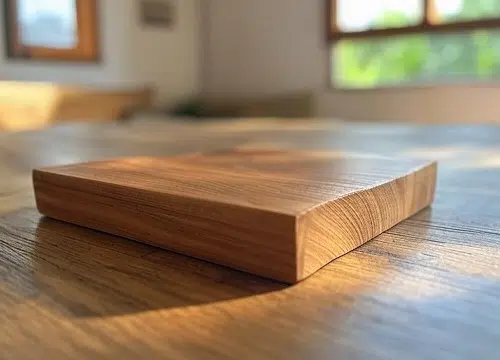
Indian Teak

Origin: Kerala, Nilambur, Karnataka, Tamil Nadu
Botanical Name: Tectona grandis
Color: Rich dark brown to golden honey
Grain: Medium texture, often wavy

It stands out for its natural aging beauty—it deepens in color over time, developing a rich patina that enhances its character. Unlike plantation teak, Indian teak often comes from old-growth forests, giving it tighter grains and superior density.

Best Uses: Outdoor furniture, flooring, marine construction.

4. Indonesian Teak
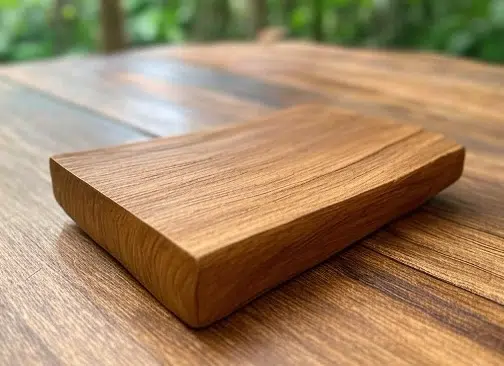
Indonesian Teak

Origin: Java, Indonesia
Durability: Moderate to High
Grain: Tight and consistent
Color: Light golden to medium brow

Cultivated under strict forestry regulations, Indonesian plantation teak is often FSC-certified, making it a go-to for eco-conscious buyers. Due to volcanic soil, Indonesian teak contains higher trace minerals (calcium and potassium), subtly influencing color tone and natural luster.

Best Uses: Furniture, doors, windows, indoor flooring.

5. South American Teak
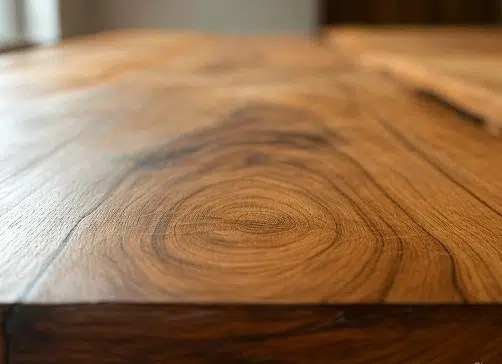
South American Teak

Origin: Brazil, Ecuador, Costa Rica
Botanical Name: Tectona grandis (plantation species)
Color: Pale to medium brown
Grain: Broad, less dense

It grows 30–50% faster due to rain-rich climate, resulting in lower density and oil content. It is a cheaper alternative to Southeast Asian teak.

Best Uses: Budget-conscious projects demanding decent durability, furniture, construction.

6. Thailand Teak
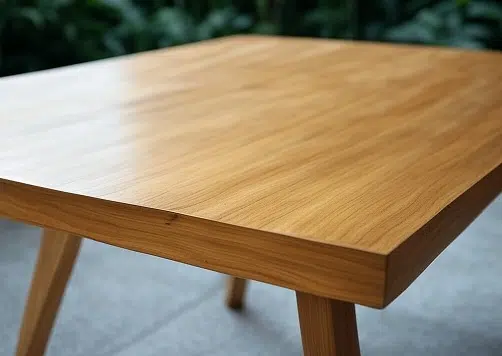
Thailand Teak

Origin: Northern Thailand

Botanical Name: Tectona grandis

Color: Dark golden with a reddish hue

Grain: Pronounced and interlocked

Old-growth Thai teak is considered extinct in commercial markets; what’s available today is either salvaged or plantation-grown under eco-restoration projects.

Best Uses: Premium antique-style furniture, heritage restorations.

7. Brazilian Teak (Cumaru)
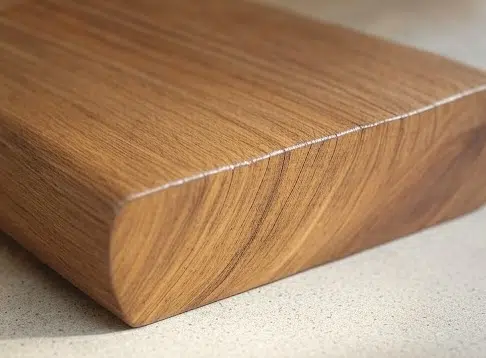
Brazilian Teak Cumaru

Origin: Brazil (commonly Dipteryx odorata, known as Cumaru)
Durability: Very High
Grain: Interlocked, dense
Color: Ranges from reddish brown to dark brown with yellow streaks

Often sold as “Brazilian Teak,” Cumaru is not a true teak but is a highly durable tropical hardwood. It surpasses true teak in hardness and resistance to wear, making it ideal for flooring. However, it lacks natural oils, requiring sealing for outdoor use. It’s an affordable alternative for clients seeking strength and visual depth.

Best Uses: High-traffic flooring, decking (when treated), staircases, heavy-duty furniture

8. Chinese Teak
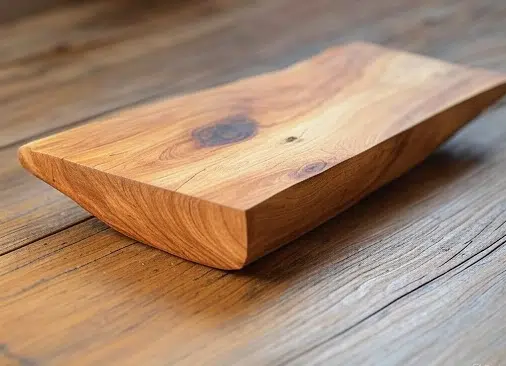
Chinese Teak

Origin: China (commonly Robinia pseudoacacia)
Durability: Moderate
Grain: Straight, less oily
Color: Pale brown with occasional yellow undertones

Often marketed as “Chinese Teak,” this wood is not a true teak (Tectona grandis), but rather Robinia wood or sometimes Catalpa. It mimics teak’s appearance but lacks the same durability and oil content. It is much cheaper and is used as a substitute in low-budget furniture and indoor products.

Best Uses: Indoor furniture, cabinetry, light-use interior flooring

9. Philippine Teak
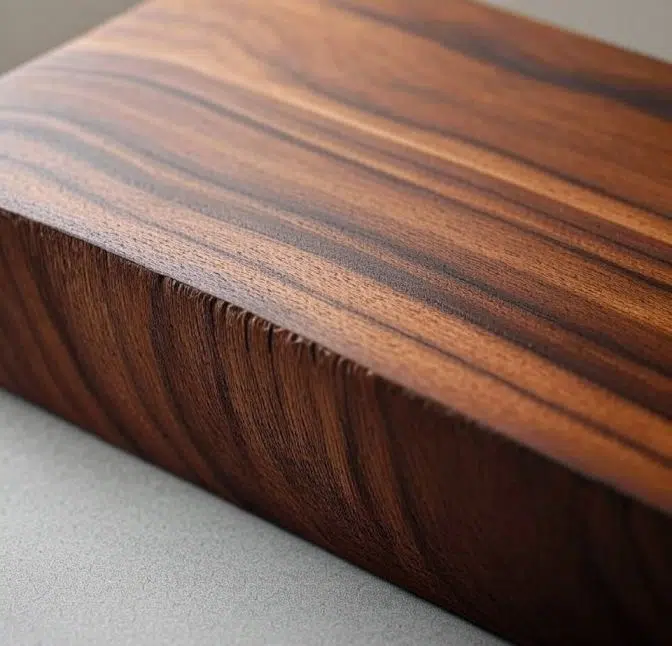
Philippine teak
Origin: Philippines (Tectona philippinensis)
Durability: Moderate to Low
Grain: Coarse and open
Color: Reddish brown to dull brown

Native species distinct from true teak and is now classified as endangered due to overharvesting. Though it was traditionally used in local furniture and construction, its commercial availability is now extremely limited and regulated. Its properties are weaker compared to Tectona grandis.

Best Uses: Historical applications, restoration projects, limited local carpentry

10. Banuywangi Teak
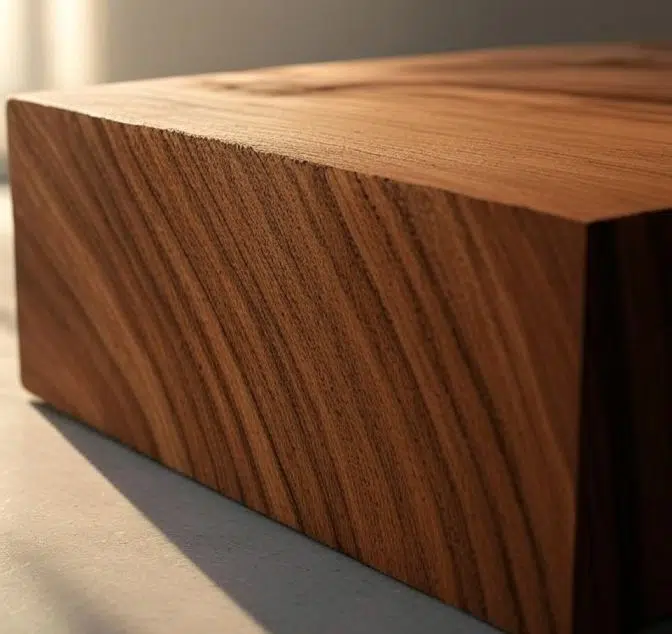
Banuywangi teak
Origin: Banuywangi, East Java, Indonesia
Durability: High
Grain: Straight to slightly wavy, tight structure
Color: Medium brown with occasional golden tones

Grown in the Banuywangi region under regulated forest practices, Banuywangi Teak is a variety of Tectona grandis with a reputation for good strength and weather resistance. While not as oily or dense as Burmese teak, it offers excellent workability and visual appeal for mid-range to high-end applications.

Best Uses: Indoor and outdoor furniture, decking, cabinetry, carved panels

Types of Teak Wood by Grade

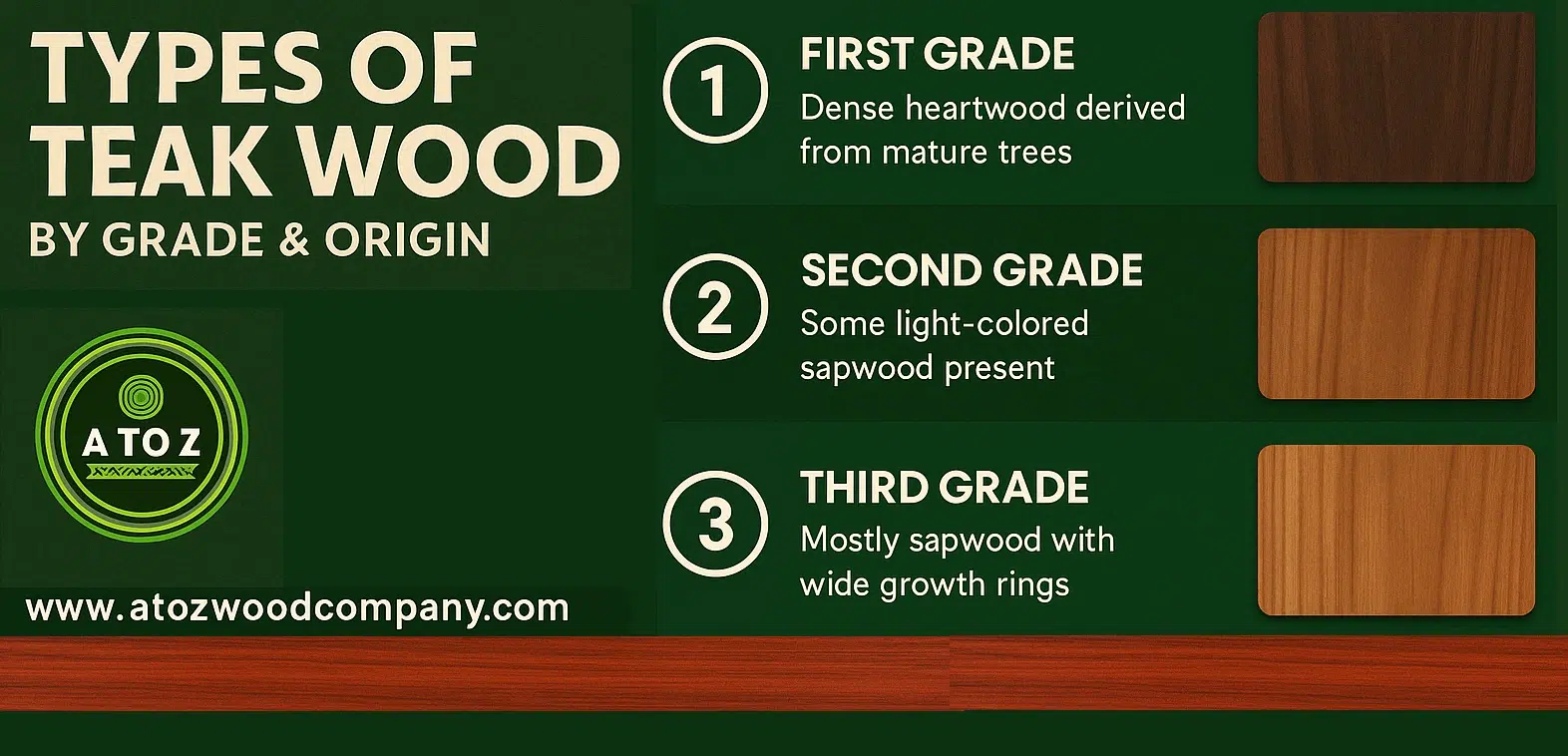
Teak species are assigned grades based on their unique qualities.

Grade A Teak

This is the best type of teak and is sourced from the heartwood of mature, naturally-grown trees. It is rich golden-brown with high oil content and uniform grain. It is extremely durable and weather-resistant, making it perfect for marine and outdoor projects.

Grade B Teak

This comes from semi-mature trees or outer heartwood. It is light brown with lower oil content. The wood is durable but may need treatment for outdoor use. Applications include mid-range furniture, flooring, paneling, and cabinetry.

Grade C Teak

This is the lowest form of Teak. It’s sourced from the outer sapwood of a tree, has minimal oil and durability and uneven appearance. It is used in indoor decorative and basic furniture projects.

How to Identify Real Teak Lumber?

  1. Smell: It has a distinct leathery or earthy aroma due to its natural oils.
  2. Color: Real teak is golden to deep brown; it may darken over time.
  3. Grain: Straight and rich with a slightly oily surface.
  4. Weight: It is heavy and dense, not light or hollow.
  5. Water Resistance: Water beads up on teak’s surface due to its natural oil.
  6. Burn Test (Not recommended for furniture): Teak won’t burn easily; imitation wood will char quickly.

Advantages of Teak Wood

  • Durability: It lasts 50+ years even outdoors.
  • Water Resistance: Naturally repels moisture.
  • Pest Resistant: Termites and bugs avoid oily teak.
  • Low Maintenance: Needs little care; weathers gracefully.
  • Luxury Appeal: Enhances property and resale value.
  • Versatile: Great for furniture, boats, doors, flooring.

Disadvantages of Teak Wood

  • High Cost: One of the most expensive hardwoods.
  • Illegal Logging Issues: Burmese teak is linked to deforestation.
  • Color Changes: Exposure to sun grays the surface over time.
  • Heavy Weight: Difficult to handle without machinery.
  • Requires Skilled Craftsmanship: Hard to cut and shape for DIY users.

Where to Find the Best Type of Teak Wood?

If you’re searching for the best type of teak wood, it’s essential to choose a supplier that offers both authentic quality and sustainable sourcing. Look for vendors who provide certified teak like Burmese, Indonesian, or plantation-grown varieties, along with proper documentation on origin, treatment, and grading. Whether you’re a builder, furniture maker, or wood reseller, sourcing directly from a reputable wholesaler ensures better pricing, consistency, and long-term reliability.

One of the top choices for bulk teak lumber supply worldwide is AtoZWoodCompany. Known for their affordable pricing and premium quality, AtoZWoodCompany exports a wide range of teak types—including Burmese, Indonesian, Indian, and African teak—to over 30 countries. With FSC-aligned practices, in-house wood processing, and efficient global logistics, they are a trusted partner for businesses seeking ethically sourced, well-treated teak wood at scale.
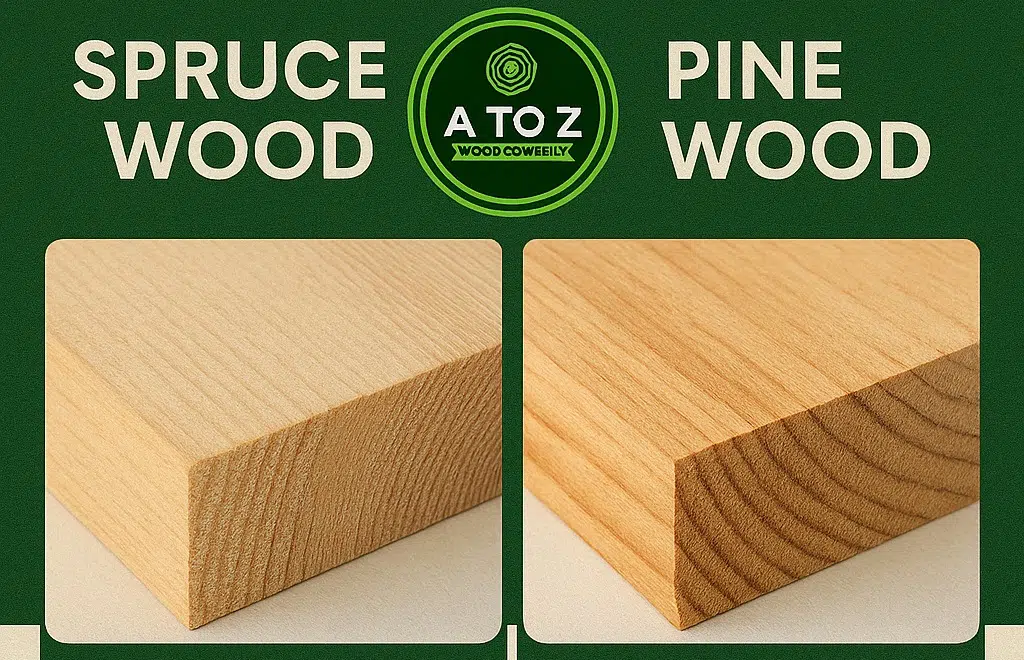
Spruce vs Pine Wood – Durability, Cost & Uses Explained

When it comes to commercial softwoods, Spruce and Pine are the most popular names. As two of the most commonly used—and often confused—softwood species, both pine and spruce have good demand and dedicated applications.

Both woods share many similarities in terms of appearance and physical properties. There are also many differences between pine and spruce wood, which we will discuss in detail here.

At AtoZ Wood Company, we sell both these softwood species and are quite familiar with their distinctive properties, and we’re here to help you understand the difference between spruce and pine in terms of their unique appearance, characteristics and uses, so you can choose the right timber for your next project.

About Pine Wood

Pine is one of the most popular and widely used softwoods. It is used worldwide and finds extensive applications due to its beautiful appearance, versatility, affordability, and moderate durability.

Pine is a lightweight, moderately hard timber with good natural durability in terms of resistance to decay and some insects. It is also easy to work with, making it a favorite for artists, DIY enthusiasts, carpenters, and furniture makers.

The heartwood of pine is usually light yellowish-brown and features a rustic look, making it suitable for classic-looking furniture and interior decor. Pine also takes glue, stains and finishes rather well and looks premium when colored. Despite its moderate durability, it must be pressure-treated for outdoor use to ensure long life.

Common applications of pinewood include flooring, furniture, plywood, cabinetry, shelving, construction framing, and basic outdoor uses.

About Spruce Wood

Spruce has many species, similar to pine. It’s a softwood found and used worldwide and known for its striking color, fine grain, and high strength-to-weight ratio, offering great stability and flexibility. It’s a popular choice in projects that require light yet firm timber, such as construction, tools, musical instruments, and millwork.

Spruce is also commonly used for roof trusses, furniture, wall studs, beams, and flooring, thanks to its structural stability and easy workability. The excellent acoustic properties of Spruce make it a favorite for music instruments such as soundboards in guitars, violins, and pianos.

Spruce is strong and somewhat durable, though it must be treated to increase durability when used outside.

Spruce Vs Pine: Know the Difference

spruce wood vs pine wood - which one is better
Spruce Wood vs Pine Wood – Which One is Better

Both Spruce and Pine are extremely popular, affordable and easily accessible woods. They share many similarities, but there are also several distinctions. Let’s find out more.

Appearance & Color

The color of Spruce ranges from light, creamy whitish to yellow. It has a fine, straight grain. Its clean look and straight grain make it perfect for basic interior applications, millwork, musical instruments, and paneling.

Pine typically has a pale yellow to brown or reddish heartwood. The grain is fine and straight, but the knots and growth rings are more pronounced, offering a rustic and natural appeal and making it perfect for furniture, flooring, cabinetry and other interior work.

Strength & Durability

Spruce and Pine are almost equally hard. In terms of Janka Rating, Norway Spruce (380 lbf), Red Spruce (490 lbf), Lodgepole Pine (480 lbf), Sugar Pine (380 lbf), and Limber Pine (430 lbf) are practically similar.

Spruce has an excellent strength-to-weight ratio, making it suitable for structural applications like framing and roofing. It is not very durable and must be treated when used outdoors.

Pine is soft and more flexible, and durable than spruce. It is easier to cut, shape, and stain, making it ideal for projects that demand a good mix of appearance and strength.

Workability & Cost

Both spruce and pine are softwoods with low hardness and straight grain, which makes them both easy to work with hand or power tools.

Pine is generally more easily available in different forms and is comparatively affordable. Spruce can be moderately expensive, depending on availability and applications like musical instruments and specialty items.

Spruce Vs Pine: Uses

Pine is preferred in projects that demand a rustic appearance with versatility. Common applications of pinewood include flooring, furniture, plywood, cabinetry, shelving, construction framing, and basic outdoor uses.

Spruce is commonly used in projects that require light yet strong timber, such as construction, tools, musical instruments, and millwork. It is also commonly used for structure applications such as roof trusses, furniture, wall studs, beams, and flooring

The Verdict: Spruce Vs Pine

Choosing between Spruce and Pine comes down to factors such as your project’s purpose, budget, and availability. At AtoZ Wood Company, we supply both types of softwoods in high-quality, commercial-grade form. All our wood is sustainably sourced and expertly delivered worldwide on time.

Not sure which softwood is the best between pine and spruce for your next project? Contact our team, and we’ll help you figure out the best choice for your specific requirements!

The Hardest and Strongest Woods on Earth 2026

The strongest woods on earth

Let me tell you—hardwoods are not created equal.

Some woods are like the gym rats of the forest. You hit them with a chisel, and they laugh. Try to nail them, and your tools surrender first.

These are the strongest woods known to humankind—dense, durable, and downright unbreakable. But more than their muscle, these woods carry stories—of resilience, of exotic origins, and of practical power.

As someone who has sourced, processed, and even fought with (yes, fought with) some of the world’s hardest species at AtoZWoodCompany, let me walk you through the elite league of hardwoods.

What Makes a Wood “Hard”?

We often refer to the Janka Hardness Scale, which measures how resistant a wood is to denting and wear. The higher the number, the tougher the timber.

But for builders, woodworkers, and serious buyers like you, it’s not just about the number. It’s about performance—how it holds up in heavy-duty applications, how it behaves under machines, and how long it stays beautiful and intact.

Strongest Wood on Earth


The Global Heavyweight Champions of Hardness

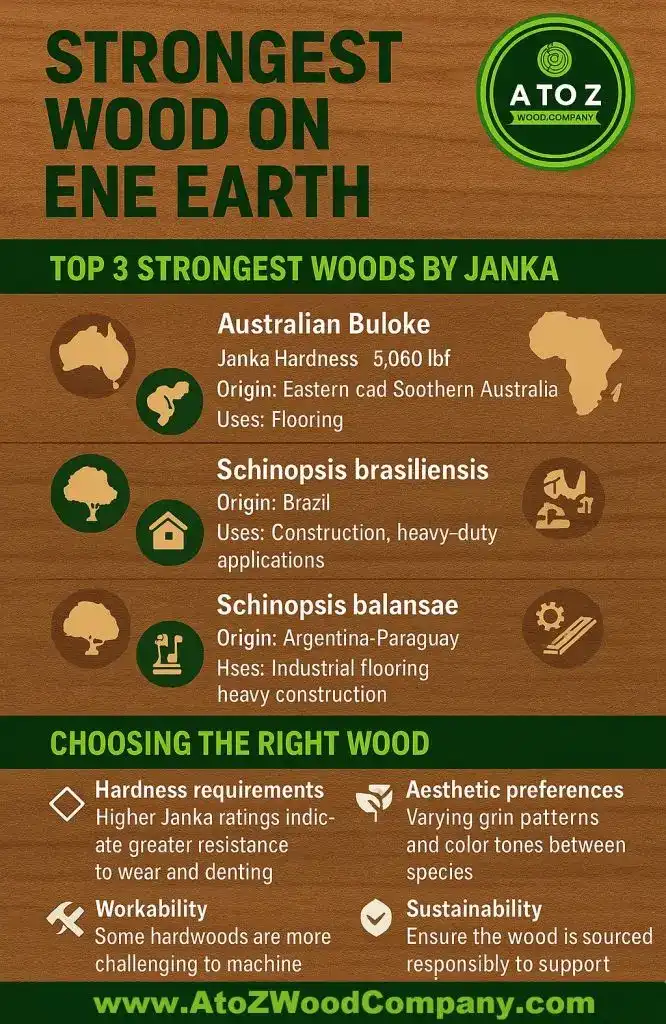
1. Australian Buloke (Janka: 5,060 lbf)

Region: Australia
Nickname: Ironwood Royalty

This is quite possibly the hardest wood in the world. You don’t cut Buloke. You negotiate with it. Its density is so extreme that it’s used in industrial flooring, heavy-wear zones, and military-grade products.

Insider Tip: If you’re buying for structural or anti-wear purposes in high-traffic areas, this is your wood. But warn your carpenter—it eats through saw blades.

2. Lignum Vitae (Janka: ~4,500 lbf)

Region: Central America & Northern South America
Nickname: The Wood of Life

This wood is so dense it sinks in water. Lignum Vitae has natural oils that make it self-lubricating—so it was once used in ship propeller shafts!

Sustainable Insight: It’s a slow-growing species and considered endangered in some regions. At AtoZ, we promote alternative dense woods to protect it while maintaining performance.

3. Snakewood (Janka: 3,800+ lbf)

Region: South America
Nickname: The Most Exotic Performer

With its wild, snakeskin-like grain, it’s both incredibly hard and stunning. This one’s often used in high-end knife handles, bows, and luxury items.

Anecdote: I once had a customer who swore this wood turned a basic pen into a $500 collector’s piece. Not joking.

4. Ipe (Janka: 3,510 lbf)

Region: Central & South America
Nickname: Ironwood

Ipe is popular for decking—and not just for its strength. It’s rot-resistant, bug-proof, and stays smooth for decades.

Pro Tip: It’s a top pick for outdoor luxury builds. We export Ipe regularly to clients in North America and Europe looking for long-term value.

5. Cumaru (Janka: 3,330 lbf)

Region: South America
Nickname: Brazilian Teak

More affordable than Ipe but nearly as tough, Cumaru is like that underdog athlete you shouldn’t underestimate.

The Hardest Woods in the World: What You Really Need to Know

If you’ve ever worked with hardwoods, you know some species don’t just feel tough—they fight back.

They dull your blades, challenge your patience, and if you’re not careful, humble even the most seasoned woodworker. But let’s be honest: when you’re sourcing timber for high-traffic projects, outdoor builds, or long-lasting products, you want that kind of strength. You need wood that can take a beating and still look great doing it.

So let’s talk about the world’s hardest woods—not just by numbers, but by real-life performance. I’ve worked with these woods personally through AtoZWoodCompany, and let me tell you, each one has a personality of its own.

What Does “Hardest Wood” Actually Mean?

You’ve probably heard of the Janka Hardness Scale. It’s the go-to measure for how resistant wood is to denting or wear—basically, how much force it takes to push a steel ball halfway into the wood. The higher the number, the harder the wood.

But here’s the thing: numbers are helpful, but in the real world, context matters just as much.

What’s the project? What’s your climate? Are you working indoors, outdoors, or somewhere rough and rugged? Let’s look beyond the scale and into the real-life impact of these heavy hitters.

Top 10 Hardest Woods in the World

Top 10 Hardest Woods in the World

Some are soft and easy to work with—great for carving, indoor furniture, and quick projects. But others? They’re beasts. We’re talking woods so tough they’ll dull your blades, push your tools to the limit, and still come out looking pretty.

If you’re in the timber business—whether you’re sourcing for high-end construction, industrial uses, or exporting to clients who expect nothing but the best—you need to know which woods sit at the top of the hardness scale.

So let’s dive into the Top 10 Hardest Woods in the World, not just by number, but with real insights from the field.

1. Australian Buloke

Janka Hardness: 5,060 lbf
Origin: Australia
Use Case: Flooring, industrial wear surfaces
The Deal: This wood is brutal. It’s so hard it’s practically armor. Great for when nothing else will do—just make sure your tools are up to the challenge.

2. Schinopsis brasiliensis (Brazilian Quebracho)

Janka: ~4,570 lbf
Origin: South America
Use Case: Railroad ties, outdoor applications
The Deal: “Quebracho” means axe-breaker in Spanish. That’s no exaggeration. Very heavy, very dense, and insanely tough.

3. Lignum Vitae

Janka: 4,390–4,500 lbf
Origin: Central & South America
Use Case: Marine bearings, luxury items
The Deal: Naturally oily and self-lubricating. A legend in the world of hardwoods—but endangered in some areas, so sourcing responsibly is key.

4. Pockwood (Guaiacum sanctum)

Janka: 4,390 lbf
Origin: Caribbean & Central America
Use Case: Turned objects, tool handles
The Deal: Often confused with Lignum Vitae. It’s just as hard, dense, and moisture-resistant—great for humid environments and high-wear situations.

5. Snakewood

Janka: ~3,800 lbf
Origin: South America
Use Case: Decorative applications, knife handles
The Deal: Gorgeous and rare, with a snakeskin-like pattern. Great for luxury pieces but difficult to machine and expensive.

6. Quebracho Colorado

Janka: ~3,570 lbf
Origin: South America
Use Case: Flooring, tool handles
The Deal: Not quite as tough as its sibling Quebracho Blanco, but still extremely durable. Great for applications needing density and strength.

7. Ipe (Brazilian Walnut)

Janka: 3,510 lbf
Origin: Central & South America
Use Case: Outdoor decking, boardwalks
The Deal: This is the go-to for premium outdoor builds. It’s fire-resistant, bug-resistant, rot-resistant—and it lasts for decades.

8. Cumaru (Brazilian Teak)

Janka: 3,330 lbf
Origin: South America
Use Case: Decking, heavy-duty flooring
The Deal: Slightly easier to work with than Ipe, but still extremely hard and durable. Offers a balance of strength and value.

9. Cambootie (Sandarac Tree)

Janka: ~3,300 lbf
Origin: Africa
Use Case: Tool parts, furniture
The Deal: Not commonly found on global markets, but a solid performer with excellent resistance properties.

10. Ebony (Gabon Ebony)

Janka: 3,220 lbf
Origin: Africa
Use Case: Musical instruments, fine furniture
The Deal: Deep black, incredibly dense, and gorgeous. Very tough to work with, but prized for high-end applications.

How Many Types of Wood Are There?


If you’ve ever asked, “How many types of wood are out there?” — you’re not alone. It seems like a simple question, right? But the truth? It’s a little more layered (like a nice piece of veneer).

As a timber supplier at AtoZWoodCompany, we get this question from builders, importers, and even curious homeowners who just want to make the right choice for their project. And honestly, we love it—because understanding the types of wood out there helps you make smarter, longer-lasting, and more cost-effective decisions.

So let’s break it down: the categories, the characteristics, and what really matters when choosing wood for your project.

Let’s start with the broad strokes. Wood falls into three main categories:

1. Hardwood

  • Source: Deciduous trees (those that lose their leaves)
  • Examples: Oak, Mahogany, Teak, Maple, Iroko
  • Best for: Furniture, flooring, cabinets, construction, high-end builds

Hardwoods are known for their strength and durability—but not all of them are super dense (balsa, for example, is technically a hardwood but softer than some softwoods!).

At AtoZWoodCompany, we export a ton of hardwoods like Sapele, Zebrawood, and Ipe, especially for clients building luxury interiors, decking, or long-lasting furniture.

2. Softwood

  • Source: Coniferous trees (evergreens like pine, fir, cedar)
  • Examples: Pine, Spruce, Douglas Fir, Cedar
  • Best for: Framing, construction, paneling, outdoor structures

Softwoods grow faster and are generally easier to work with, making them more affordable and widely used in construction. That’s why we offer bulk softwood shipments for large-scale projects across Asia and the Middle East.

Pro Tip: Softwood doesn’t mean “weak.” Douglas fir, for example, is incredibly strong and widely used in structural framing.

3. Engineered Wood

  • Source: Manufactured by binding wood fibers, veneers, or strands with adhesives
  • Examples: Plywood, MDF, OSB, Laminated Veneer Lumber (LVL)
  • Best for: Cabinets, furniture, prefab construction, flooring underlayment

These aren’t naturally occurring, but they’ve become essential in modern building. They offer uniform strength, resistance to warping, and cost efficiency.

While AtoZWoodCompany focuses on natural timber, we often advise clients on where engineered products fit into the picture.

How Many Wood Species Are There?

Now here’s where it gets fun. Globally, there are over 60,000 species of trees, and thousands of those are commercially usable for wood.

Depending on your region and the market you’re in, you might have access to:

  • Over 1,000 hardwood species used in trade
  • Hundreds of softwoods used in everything from framing to fine furniture
  • Dozens of specialty woods that are exotic, rare, or region-specific

At AtoZWoodCompany, we specialize in both exotic tropical hardwoods (like Padauk, Wenge, Bubinga) and locally sustainable species harvested from responsibly managed forests.

What Is the Most Durable Type of Wood?

If that’s you—or your clients—you’re asking the right question:  What is the most durable type of wood?

And by “durable,” we’re not just talking about how hard it is. We’re talking about weather-resistance, bug-resistance, lifespan, stability, and good old-fashioned toughness.

At AtoZWoodCompany, we’ve worked with builders putting up seaside resorts in humid climates, furniture makers crafting pieces meant to last generations, and architects who need exterior cladding that can battle the elements and still come out smiling.

So let’s dive into what “durability” really means in the wood world—and which woods are the undisputed champions.

What Makes a Wood Durable?

Durability in wood depends on several factors:

  • Resistance to rot and decay (especially important for outdoor use)
  • Natural oils and tannins that repel moisture and insects
  • Hardness and density (higher = better for wear-and-tear)
  • Dimensional stability (doesn’t warp, crack, or expand too much)
  • Longevity (some woods naturally last 30–50+ years without treatment)

Durability also depends on the environment. What holds up in dry Arizona might not cut it in coastal Southeast Asia. That’s why we help match the wood to the conditions.

Conclusion: Built to Last, Chosen with Care

There’s something special about working with really tough wood. You feel it the moment your saw hits the grain. It resists, it pushes back—and somehow, that’s exactly what makes it beautiful. These aren’t just materials; they’re workhorses.

Whether you’re building in a humid coastal zone, decking out a high-traffic commercial space, or crafting something meant to last a lifetime, choosing the right wood makes all the difference.

The strongest woods in the earth don’t just survive the elements—they thrive in them. And when you know what you’re working with, you can build with confidence.

At AtoZWoodCompany, we don’t just supply timber—we know timber. We’ve handled it, processed it, and sometimes even wrestled with it. So if you’re looking for strength, beauty, and wood that tells a story, we’re here to help.

Strong timber. Honest advice. Global reach. Let’s build something solid.

Top 5 Hardwood Species for Furniture Making in 2025

Top 5 Hardwood Species for Furniture Making

When it comes to crafting stunning, durable, and high-quality furniture, choosing the right hardwood is as important as the design itself.

In 2025, the trends in furniture-making lean towards sustainability, aesthetics, and functionality.

Whether you’re a seasoned carpenter, an interior designer sourcing the perfect wood, or a furniture manufacturer looking for the best materials, this guide will help you navigate the top five hardwood species dominating the industry this year.

1. African Mahogany – The Timeless Beauty

mahogany wooden slabs

Why It’s a Favorite in 2025: African Mahogany has always been a premium choice, but in recent years, its sustainable harvesting practices and increasing availability have pushed it back into the spotlight. Its rich, reddish-brown hues deepen over time, making it a top pick for high-end furniture and interior accents.

Expert Insight: A growing number of furniture designers are experimenting with African Mahogany in modern minimalist styles, as its natural luster and fine grain add warmth to contemporary interiors. Plus, it’s a dream to work with—strong, yet easy to carve and finish.

👉 Best Used For: Luxury furniture, cabinets, and statement pieces like dining tables and executive desks.

2. European Oak – The Classic Workhorse

Why It’s a Favorite in 2025: European Oak continues to dominate due to its strength, versatility, and timeless appeal. It’s a favorite among furniture makers who need a reliable, high-quality hardwood that ages gracefully.

Expert Insight: European Oak is particularly popular in high-end bespoke furniture, where natural finishes and intricate grain patterns are in demand. The trend of using wire-brushing techniques to enhance its texture is catching on fast, making it even more desirable.

👉 Best Used For: Flooring, rustic and modern furniture, cabinetry, and joinery.

3. Black Walnut – The Luxury Statement

Why It’s a Favorite in 2025: Black Walnut remains a premium choice, especially for high-end custom furniture. Its deep, chocolate-brown tones and striking grain patterns create statement pieces that exude luxury.

Expert Insight: While demand for Black Walnut continues to grow, sustainable sourcing is a challenge. Many manufacturers are now combining solid walnut with veneered panels to maximize yield while maintaining its elite aesthetic. Furniture makers also love how it pairs well with metals like brass and steel for an ultra-modern look.

👉 Best Used For: Premium furniture, heirloom-quality pieces, desks, and headboards.

4. Teak – The Outdoor Champion

teak logs

Why It’s a Favorite in 2025: With climate resilience and durability at the forefront, Teak remains the go-to hardwood for outdoor furniture. Its natural oils make it resistant to moisture, pests, and decay, ensuring longevity.

Expert Insight: Interior designers are now bringing teak indoors, incorporating it into high-end bathroom vanities and kitchen countertops. The demand for reclaimed teak is also soaring as sustainability-conscious consumers prefer repurposed wood.

👉 Best Used For: Outdoor furniture, boat decks, spa interiors, and high-moisture areas.

5. Iroko – The Sustainable Alternative to Teak

iroko wood log

Why It’s a Favorite in 2025: As teak supplies tighten, Iroko is stepping in as a sustainable and cost-effective alternative. It shares many of teak’s best qualities—durability, water resistance, and a rich golden-brown color—but at a more accessible price point.

Expert Insight: Iroko is becoming a favorite for large-scale furniture projects and eco-friendly designs. Its growing popularity is due to responsible harvesting and increasing awareness of its excellent performance in furniture-making.

👉 Best Used For: Outdoor and indoor furniture, countertops, and decorative carvings.

Where to Source Premium-Quality Hardwood?

If you’re looking for premium-grade hardwood for furniture making, AtoZWoodCompany is your trusted partner.

Based in Douala, Cameroon, AtoZWoodCompany is a leading manufacturer, retailer, and exporter of high-quality West African timber.

We supply a vast range of hardwood species, including Pine, Iroko, Whitewood, Teak, Sapele (Mahogany), Okan, Padauk, Ebony, Movingui, and more.

Founded over three decades ago, AtoZWoodCompany has built a reputation for sustainability, top-notch quality, and excellent customer service.

Our sawmill in Cameroon employs 100+ experienced woodworkers, with a monthly production capacity of 30,000 m³. We export over 30 varieties of timber to more than 20 countries worldwide.

Final Thoughts: Choosing the Best Hardwood for Your Needs

Selecting the right hardwood for furniture making in 2025 depends on your project’s requirements, aesthetics, and sustainability goals.

Whether you’re crafting a bold luxury piece with Black Walnut or a functional, durable outdoor set with Teak or Iroko, staying informed about trends ensures you make the best decision.

💬 What’s Your Go-To Hardwood? Share your experiences with these hardwoods in the comments! Which species do you love working with the most, and why?

Stay tuned for more expert insights on sustainable timber choices and industry trends! 

Sustainable Development in the Timber Industry: AtoZWoodCompany’s Commitment

Worker Welfare & Social Development Policy

Sustainable development refers to growth that does not negatively impact the environment. 

The timber industry has a direct effect on the world’s ecosystem, as tree harvesting can lead to deforestation, soil degradation, and biodiversity loss if not managed responsibly. 

At AtoZWoodCompany, we are committed to sustainable wood harvesting and development practices that minimize our carbon footprint while ensuring minimal environmental impact. 

Our approach ensures that economic development and ecosystem sustainability go hand-in-hand. Here’s how we achieve this balance.

Our Core Values – Sustainable Timber Harvesting

AtoZWoodCompany is a certified timber supplier that follows sustainable development practices at every stage of our operations. 

Our workers in forests and mills are dedicated to protecting the environment and preventing accidental damage to the ecosystem. 

At the same time, we ensure that our employees are fairly compensated and provided with essential amenities, including healthcare and safe working conditions.

From sustainable harvesting practices to reducing carbon emissions in processing, packaging, and transportation, we are committed to environmental safety while ensuring a continuous supply of responsibly harvested timber for our global customers.

We own and manage several hectares of fertile forest land across Cameroon. To uphold sustainable development, we enforce strict limitations on the number of trees harvested per hectare per year. 

Additionally, we allow trees to fully mature before harvesting, maximizing their ecological benefits before they become timber products. Our three core sustainability goals include:

  • Maintaining and promoting biodiversity
  • Protecting the interests of forest workers and their families
  • Respecting the rights and cultures of indigenous forest communities

How We Protect the Environment

Unregulated timber harvesting can cause severe environmental damage through deforestation, soil erosion, and habitat destruction. 

At AtoZWoodCompany, we take proactive measures to mitigate these risks and ensure responsible forestry practices, including:

  • Sustainable Forestry Practices: We follow strict guidelines for selective logging, allowing forests to regenerate naturally.
  • Modern Technology in Harvesting: We use advanced tools and technologies, such as geo-referencing and Forest Compass Systems, to determine the most sustainable harvesting sites with minimal environmental impact.
  • Low-Impact Logging Methods: Our harvesting techniques are designed to minimize damage to surrounding vegetation, soil, and wildlife.

Preserving the Rights & Health of Forest Workers

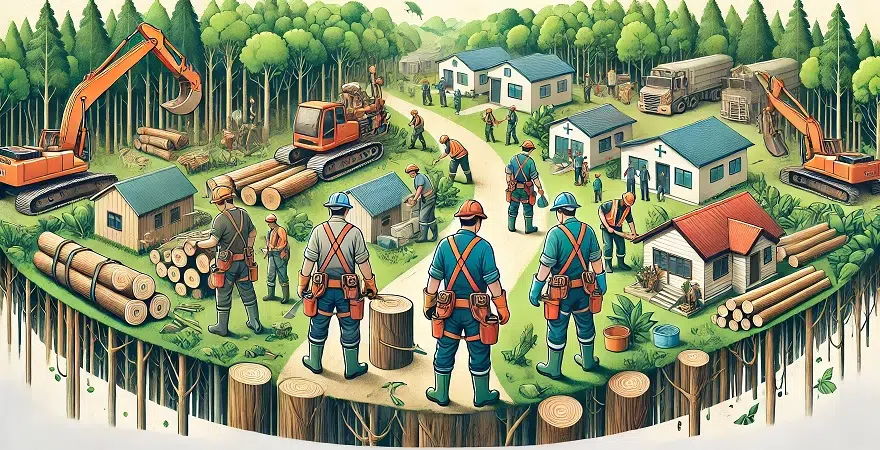
Sustainability isn’t just about the environment; it’s also about people. We ensure that all our workers receive fair wages and have access to essential services, including food, housing, and healthcare. 

Additionally, we prioritize the well-being of forest natives and local communities by maintaining transparent communication and ensuring their safety and convenience.

For worker safety, we provide high-tech training and personal protective equipment (PPE), including helmets, gloves, masks, and boots, depending on their job roles. 

Our strict adherence to safety protocols ensures that workers operate in a secure and protected environment.

Giving Back to the Community

AtoZWoodCompany is deeply committed to community development. Our contributions include:

  • Organizing health camps for workers and local communities to promote well-being and access to medical care.
  • Hiring and training local workers to boost employment and economic independence.
  • Partnering with social welfare organizations to develop schools, hospitals, and marketplaces for local communities.
  • Paying Annual Forest Royalties (RFA) to support local infrastructure and economic development initiatives.

Beyond our corporate initiatives, our team members personally commit to sustainability by reducing water and electricity consumption, minimizing single-use plastics, and promoting recycling and reusing materials wherever possible.

Join Our Sustainable Mission

At AtoZWoodCompany, we believe that sustainable timber harvesting is the key to a greener future. If you’re interested in supporting responsible forestry practices, we invite you to join us as a partner or buyer. 

Together, we can promote sustainable development while ensuring a continuous supply of high-quality timber for future generations.

📩 Contact us at info@atozwoodcompany.com or visit atozwoodcompany.com to learn more!