+237 681 25 6934
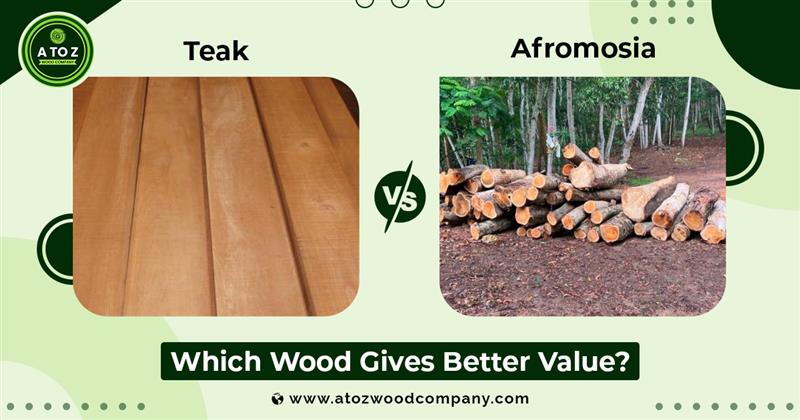
When choosing a premium hardwood for construction, furniture, decking, or marine applications, Afromosia wood and Teak wood are often compared due to their similar appearance, durability, and prestige. Both species are globally recognized for their strength, resistance to decay, and long service life. However, their origin, physical properties, sustainability, price, and best-use cases differ significantly.
This in-depth comparison of Afromosia vs Teak will help importers, builders, and designers make an informed decision based on performance, cost, and application requirements.
Overview of Afromosia and Teak
What Is Afromosia Wood?
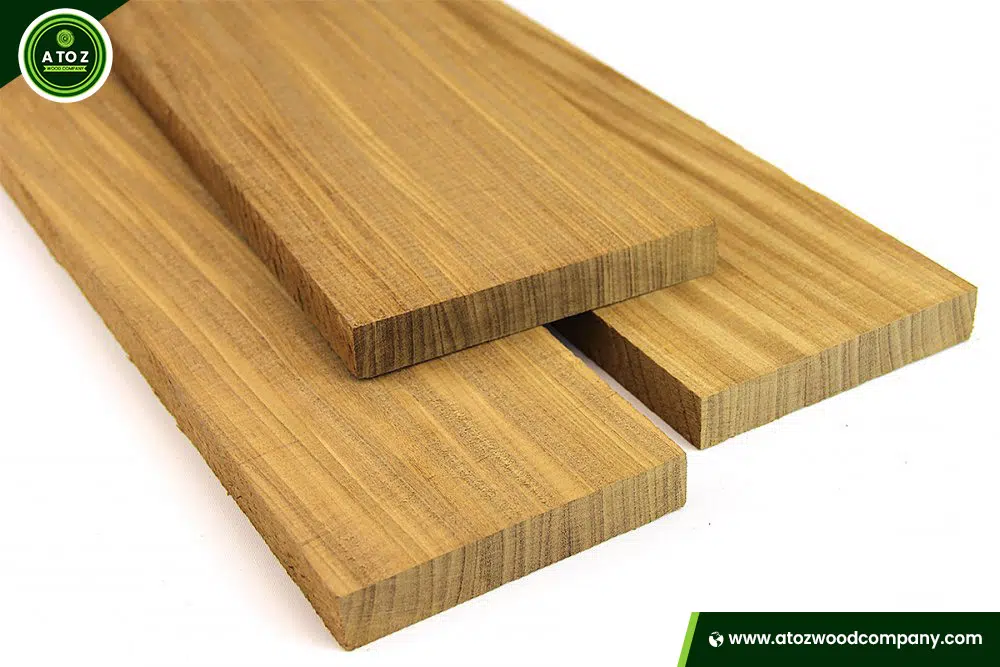
Afromosia (Pericopsis elata), often referred to as African Teak, is a high-value tropical hardwood native to Central and West Africa, particularly Cameroon, Ghana, and the Congo Basin. Despite the nickname, Afromosia is not true teak but closely resembles it in appearance and durability.
Afromosia is widely used for luxury flooring, furniture, doors, windows, and exterior joinery, especially in European markets.
What Is Teak Wood?
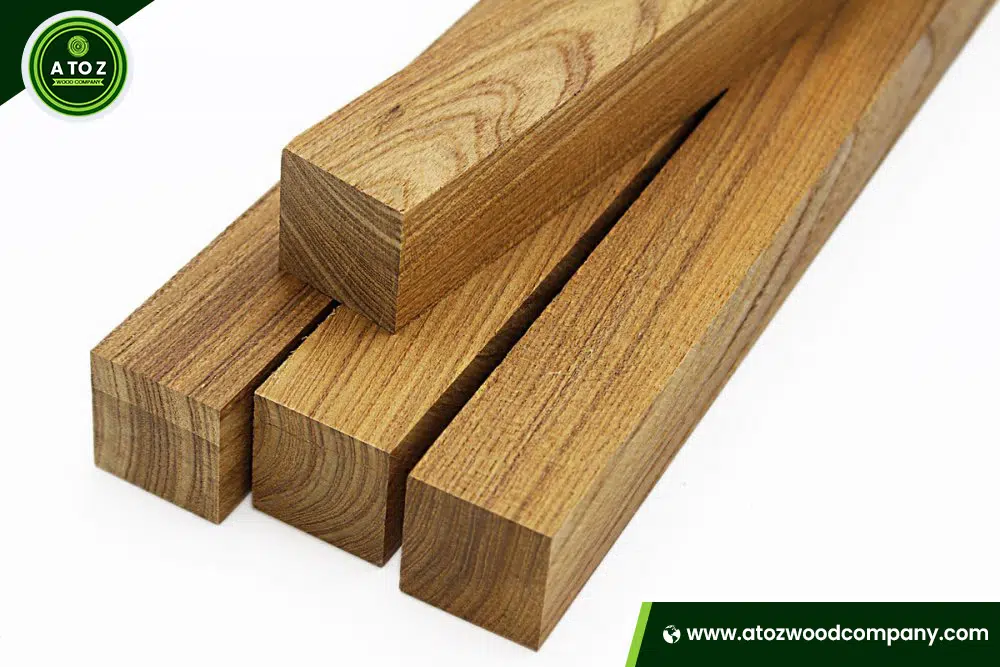
Teak (Tectona grandis) is a world-famous hardwood primarily sourced from Myanmar, India, Laos, and plantation-grown regions in Africa and Latin America. Genuine teak lumber is known for its natural oils, silica content, and exceptional weather resistance, making it a preferred choice for marine applications and outdoor furniture.
Afromosia vs Teak: Side-by-Side Comparison
| Property | Afromosia Wood | Teak Wood |
|---|---|---|
| Botanical Name | Pericopsis elata | Tectona grandis |
| Origin | Central & West Africa | Southeast Asia, Africa, Latin America |
| Density (12% MC) | ~650–700 kg/m³ | ~630–680 kg/m³ |
| Durability Class | Class 1–2 (Very Durable) | Class 1 (Extremely Durable) |
| Natural Oils | Moderate | High |
| Termite Resistance | High | Very High |
| Color | Golden brown to dark brown | Golden yellow to medium brown |
| Stability | Excellent | Excellent |
| Sustainability | Regulated & certified sources | Scarce natural forests, plantation supply |
Durability and Lifespan
Afromosia Durability
Afromosia is classified as very durable, offering strong resistance to rot, fungi, and insects. When properly dried and treated, it performs exceptionally well in both interior and exterior environments, with a service life exceeding 30–40 years.
Teak Durability
Teak is often considered the benchmark for durability. Its high oil and silica content naturally protect it from moisture, saltwater, and pests. Teak products can last 50+ years, even in harsh marine or outdoor conditions.
Strength and Mechanical Properties
Both woods exhibit excellent strength-to-weight ratios, making them suitable for structural and decorative uses.
-
Afromosia offers high bending strength and good shock resistance, ideal for flooring and joinery.
-
Teak has slightly lower bending strength but superior dimensional stability due to its oil content.
For most architectural and furniture applications, both species perform exceptionally well.
Appearance and Aesthetic Appeal
Afromosia Appearance
-
Rich golden to dark brown tones
-
Straight to slightly interlocked grain
-
Smooth, uniform texture
-
Ages beautifully with a deep patina
Teak Appearance
-
Golden yellow to honey brown
-
Straight grain with occasional waves
-
Natural luster due to oils
-
Develops a silver-grey patina outdoors
Workability and Finishing
-
Afromosia machines, sands, and finishes well, though interlocked grain may require sharp tools.
-
Teak is easy to work with but can dull tools due to silica content.
Both woods accept oils and finishes well, but teak often requires less surface treatment due to its natural oils.
Price and Market Availability
Afromosia Wood Price
Afromosia is generally more affordable than genuine teak, especially in bulk quantities. Pricing varies based on:
-
Thickness and grading
-
FSC or legal certification
-
Kiln-dried vs air-dried supply
Teak Wood Price
Teak is among the most expensive hardwoods globally, particularly Burmese teak, which is limited by trade restrictions. Plantation teak is more accessible but still costly.
Cost Advantage:
Afromosia offers teak-like performance at a lower price, making it attractive for large-scale projects.
Sustainability and Legal Considerations
Both species are regulated due to high demand.
-
Afromosia is listed under CITES Appendix II, requiring legal documentation and sustainable sourcing.
-
Teak natural forests are heavily restricted; plantation teak is the most sustainable option.
Reputable suppliers like AtoZ Wood Company follow strict sustainable harvesting practices, legal export documentation, and responsible forest management.
Best Applications: Afromosia vs Teak
Choose Afromosia If You Need:
-
High-end flooring and staircases
-
Doors, windows, and interior joinery
-
Luxury furniture
-
Teak-like appearance at a better price
Choose Teak If You Need:
-
Marine decking and boat building
-
Outdoor furniture and cladding
-
High-moisture environments
-
Maximum longevity with minimal maintenance
Final Verdict: Afromosia or Teak?
There is no single “better” wood—only the right wood for your application.
-
Teak remains unmatched for marine and extreme outdoor use.
-
Afromosia is an outstanding alternative, delivering durability, beauty, and stability at a more competitive cost, especially for architectural and interior projects.
For buyers seeking bulk hardwood supply, certified African timber, and global export support, Afromosia presents exceptional value. AtoZ Wood Company supplies legally sourced, sustainably harvested Afromosia and premium hardwoods in bulk and custom sizes for international market.