+237 681 25 6934
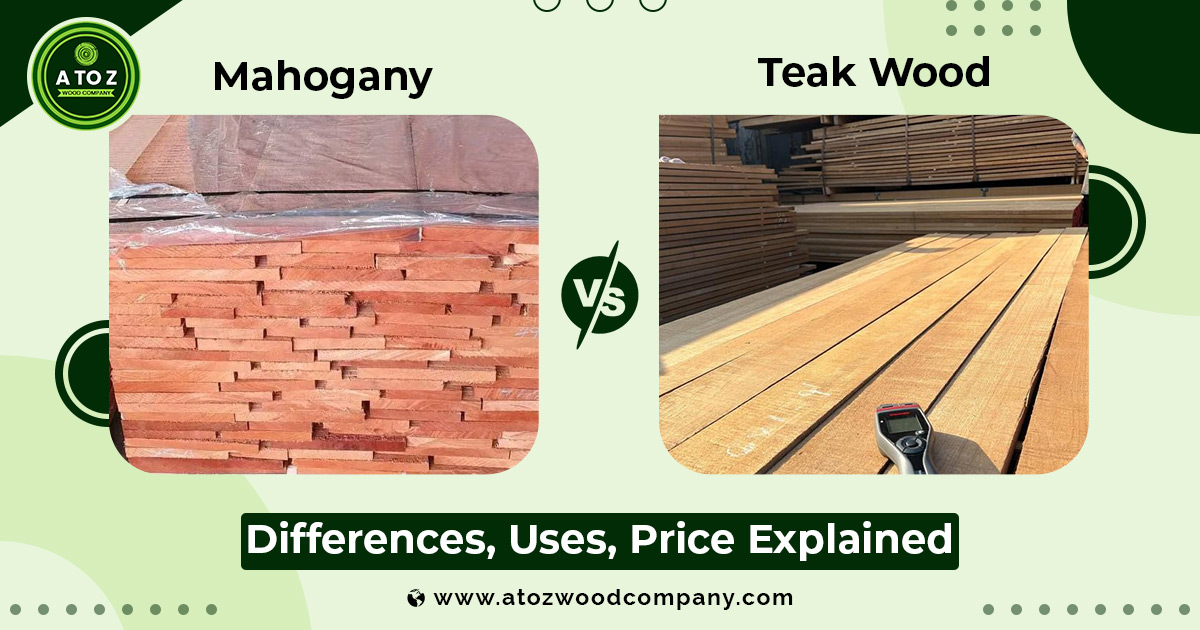
When choosing premium hardwood for furniture, flooring, decking, or large construction projects, Mahogany and Teak are two of the most searched and trusted wood species worldwide. Both are valued for durability, appearance, and long service life—but they serve very different purposes depending on climate, budget, and application.
This detailed comparison of Mahogany vs Teak will help buyers, architects, and importers make the right wood selection based on strength, durability, cost, and use case.
What Is Mahogany Wood?
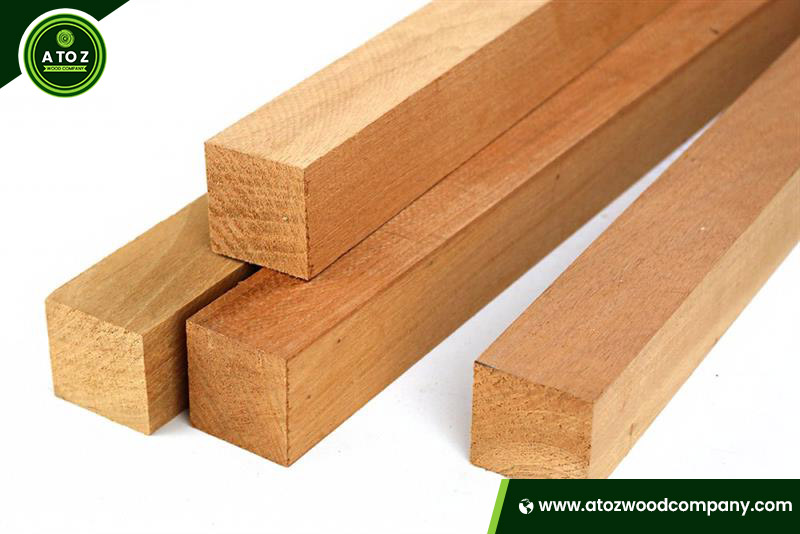
It refers to a group of hardwood species known for their rich reddish-brown color, straight grain, and excellent workability. The most commonly traded types include:
-
African Mahogany (Khaya species)
-
Genuine Mahogany (Swietenia macrophylla)
Mahogany is widely used in interior furniture, doors, veneers, paneling, and decorative woodwork due to its smooth texture and stability.
Key Properties of Mahogany
-
Medium to high density
-
Straight grain with fine texture
-
Easy to machine and finish
-
Moderate natural durability
-
Excellent dimensional stability
Mahogany is especially popular in large-scale furniture manufacturing and interior architectural projects.
What Is Teak Wood?
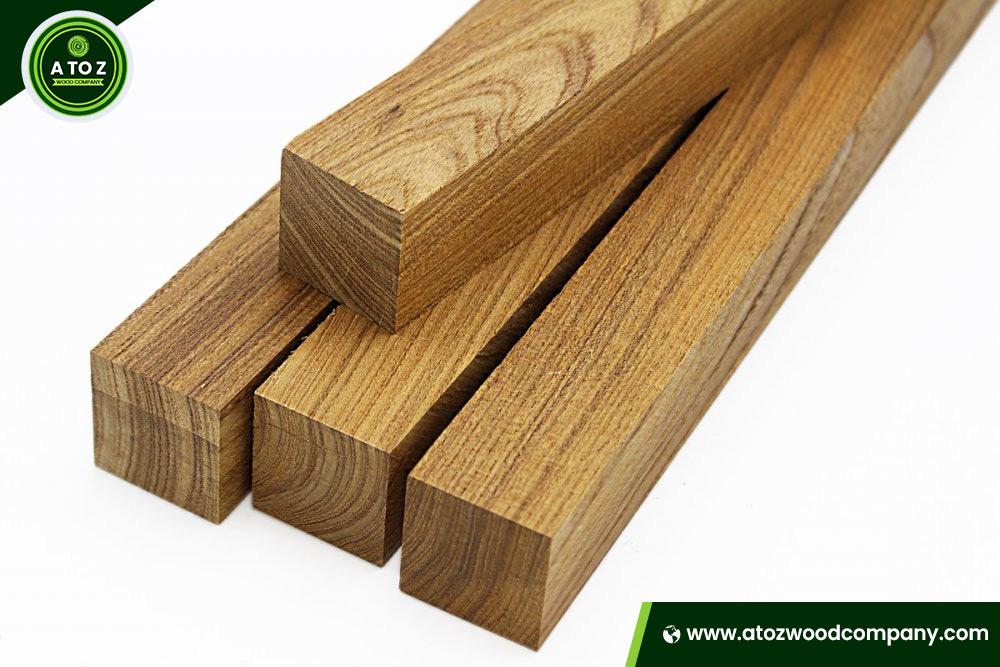
It is considered one of the most durable hardwoods in the world, particularly for outdoor and marine applications. It contains natural oils and silica that protect it from moisture, insects, and decay.
Teak is commonly sourced from:
-
Natural forests (regulated)
-
Sustainable plantations
Key Properties of Teak
-
High density and strength
-
Naturally oily surface
-
Exceptional resistance to water, termites, and rot
-
Long outdoor lifespan
-
Minimal maintenance required
Teak is widely used for outdoor furniture, decking, boat building, and luxury construction.
Side-by-Side Comparison
| Feature | Mahogany Wood | Teak Wood |
|---|---|---|
| Color | Reddish to deep brown | Golden to dark brown |
| Grain | Straight, uniform | Straight to wavy |
| Density | Medium to high | High |
| Natural Oils | Low | Very high |
| Durability | Moderate to good | Excellent |
| Moisture Resistance | Moderate | Very high |
| Termite Resistance | Moderate | Excellent |
| Workability | Excellent | Moderate |
| Outdoor Use | Limited | Ideal |
| Indoor Use | Excellent | Very good |
| Maintenance | Low | Very low |
Durability & Weather Resistance
Teak clearly outperforms mahogany in harsh environments.
-
Teak can last 40–60+ years outdoors with minimal treatment.
-
Mahogany performs best indoors or in protected exterior areas.
For tropical climates, coastal regions, and high-humidity environments, teak is the superior choice.
Appearance & Aesthetic Appeal
-
Mahogany offers a classic, elegant look with deep reddish tones that darken beautifully with age—ideal for luxury furniture and interiors.
-
Teak has a warm golden appearance that weathers into a silver-gray patina outdoors, often preferred in modern exterior designs.
Choice here depends on design intent rather than performance.
Workability & Manufacturing
Mahogany is preferred by manufacturers because it:
-
Cuts cleanly
-
Glues well
-
Accepts polish, stains, and finishes evenly
Teak is harder to process due to:
-
High oil content
-
Silica that dulls cutting tools
For mass production and custom furniture, mahogany is more efficient and cost-effective.
Price Comparison
| Aspect | Mahogany | Teak |
|---|---|---|
| Availability | Widely available | Limited |
| Supply | Multiple species | Restricted |
| Price Range | Moderate | High |
| Bulk Purchase | More economical | Expensive |
| ROI for Interiors | High | Medium |
Teak is significantly more expensive due to slow growth rates, limited supply, and strict regulations.
Mahogany offers better scalability for bulk buyers and large commercial projects.
Best Uses for Mahogany
-
Indoor furniture
-
Doors and frames
-
Veneers and paneling
-
Staircases
-
Musical instruments
-
Office interiors
-
Decorative architectural elements
Best Uses for Teak
-
Outdoor furniture
-
Decking and flooring
-
Marine construction
-
Boat building
-
Luxury outdoor projects
-
Poolside furniture
Sustainability Considerations
Sustainability is a major factor in modern timber trade.
-
Responsibly sourced African Mahogany from managed forests offers a more sustainable option for large-scale use.
-
Teak plantations support sustainability but require long growth cycles, increasing cost.
Choosing certified suppliers ensures ethical sourcing, legal harvesting, and environmental protection.
Which One Should You Choose?
Choose Mahogany if you need:
-
Cost-effective premium hardwood
-
Excellent indoor performance
-
Smooth finishing and easy processing
-
Bulk timber supply
Choose Teak if you need:
-
Maximum outdoor durability
-
High moisture resistance
-
Long service life in harsh conditions
-
Premium exterior aesthetics
Final Verdict
Both Mahogany and Teak are exceptional hardwoods, but they serve different purposes.
-
Mahogany is the ideal choice for interiors, furniture manufacturing, and large-volume projects.
-
Teak remains unmatched for outdoor and marine environments, where durability is critical.
Understanding your project requirements, climate conditions, and budget is key to making the right decision.