+237 681 25 6934
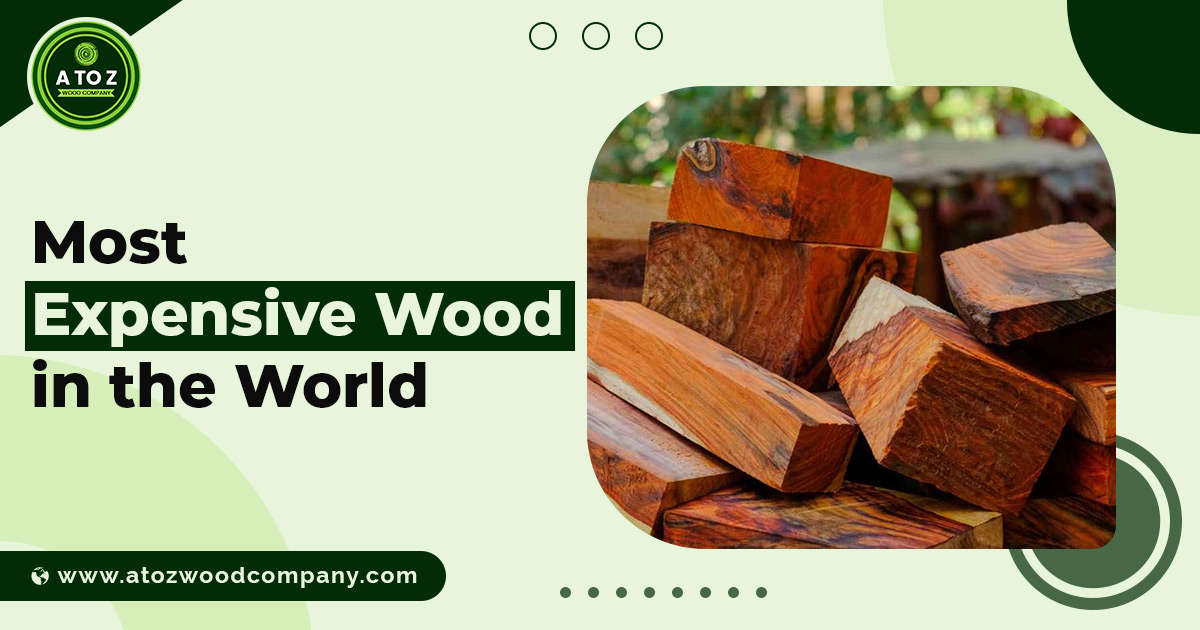
Wood is more than just a building material — it’s a symbol of luxury, craftsmanship, and natural beauty. While common timber varieties like pine and oak are used extensively, there exists a fascinating world of rare and exotic wood species that command astonishing prices. These woods are prized for their exceptional appearance, durability, scarcity, and the prestige they bring to high-end furniture, musical instruments, interiors, and luxury crafts. In this article, we explore the top 10 most expensive wood in the world, delving into what makes each so valuable and sought-after.
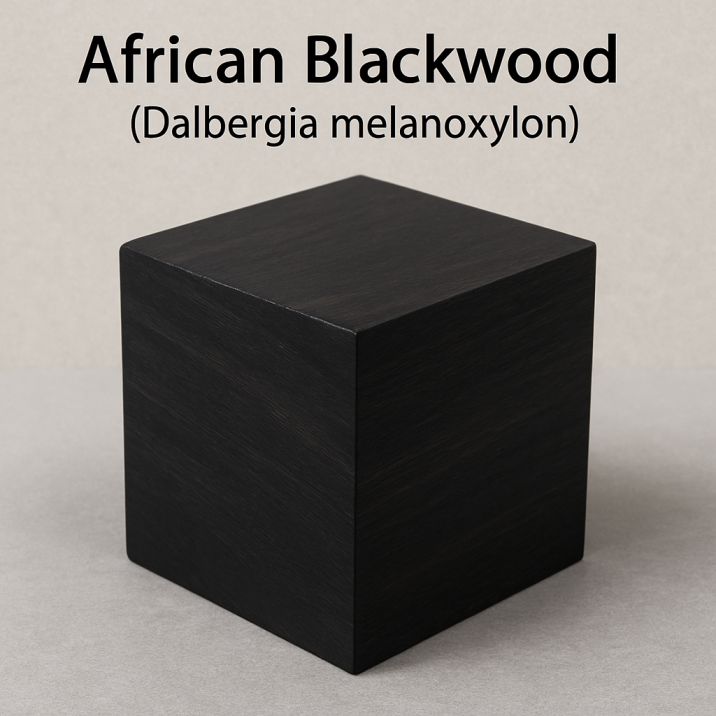
1. African Blackwood (Dalbergia melanoxylon)
Average Price: $10,000 – $15,000 per cubic meter
African Blackwood, often called “the world’s most expensive wood,” is highly coveted for making woodwind instruments like clarinets and oboes, as well as luxury knife handles and fine inlay work. Its deep, jet-black coloration with occasional purple hues and exceptional density make it both stunning and incredibly durable. Slow growth and overharvesting have made it scarce, driving up its price.
2. Sandalwood (Santalum album)
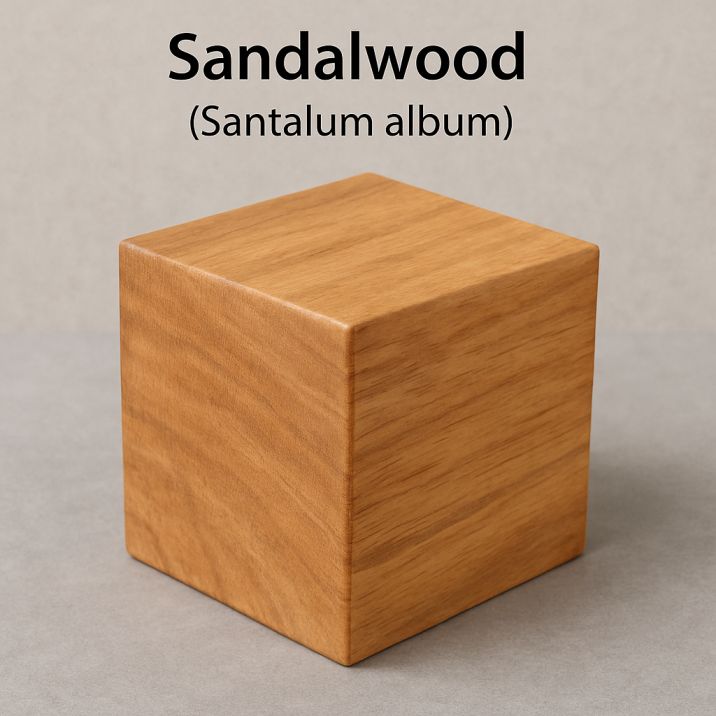
Average Price: $8,000 – $10,000 per cubic meter
Famous for its fragrant oil, sandalwood is also prized for carving, luxury décor, and religious artifacts. Its heartwood yields a sweet, long-lasting aroma that persists for decades. Due to overexploitation and strict harvesting controls in India and Southeast Asia, genuine sandalwood has become exceedingly rare and valuable.
3. Pink Ivory (Berchemia zeyheri)
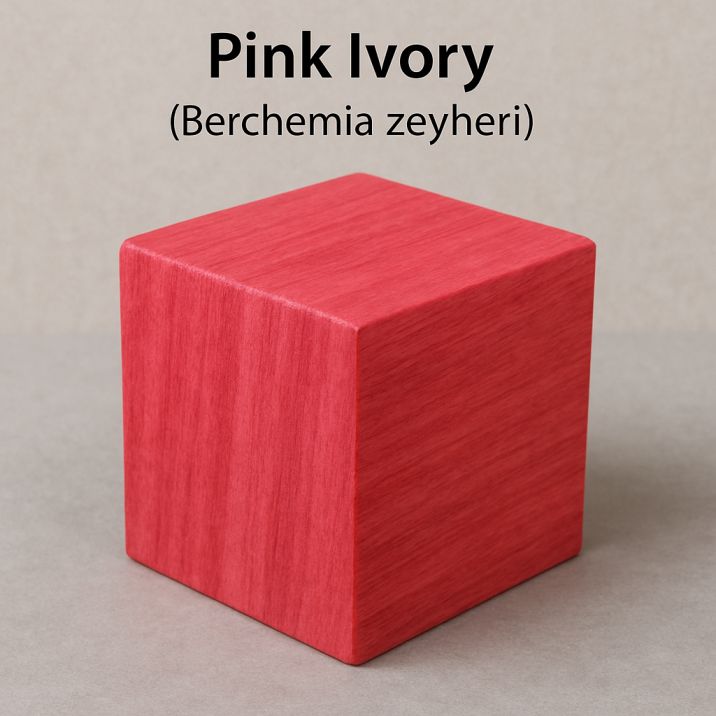
Average Price: $8,000 per cubic meter
Pink Ivory is an exotic wood native to southern Africa, known for its striking pink to reddish tones. Traditionally reserved for Zulu royalty, it’s now used in luxury billiard cues, knife handles, and fine jewelry boxes. Its rarity in nature — with only a few trees per hectare — makes it exceptionally costly.
4. Ebony (Diospyros spp.)
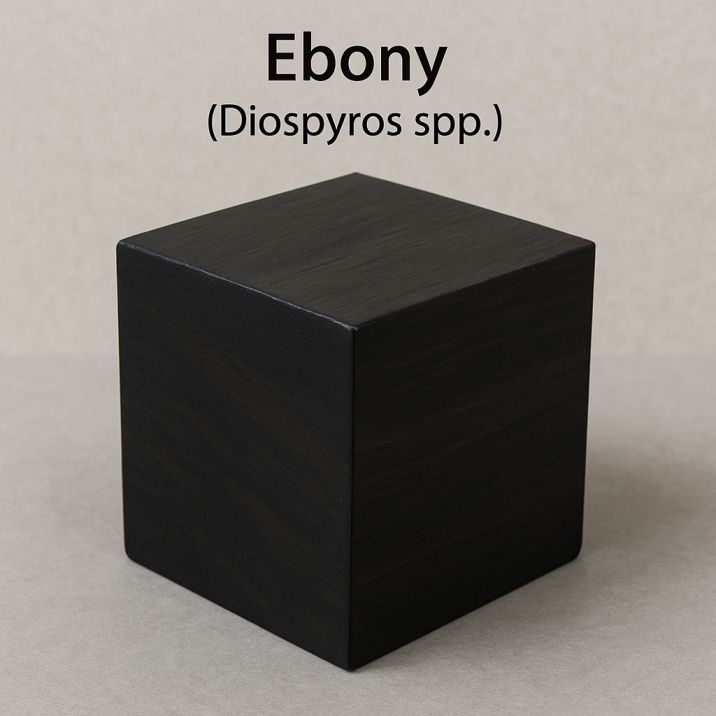
Average Price: $7,000 – $10,000 per cubic meter
Ebony wood is legendary for its deep black color, fine texture, and natural gloss. Used for piano keys, guitar fingerboards, and high-end furniture inlays, ebony’s demand far exceeds its sustainable supply. African and Asian species are among the most expensive, with international regulations under CITES limiting exports to protect these endangered trees.
5. Agarwood (Aquilaria spp.)
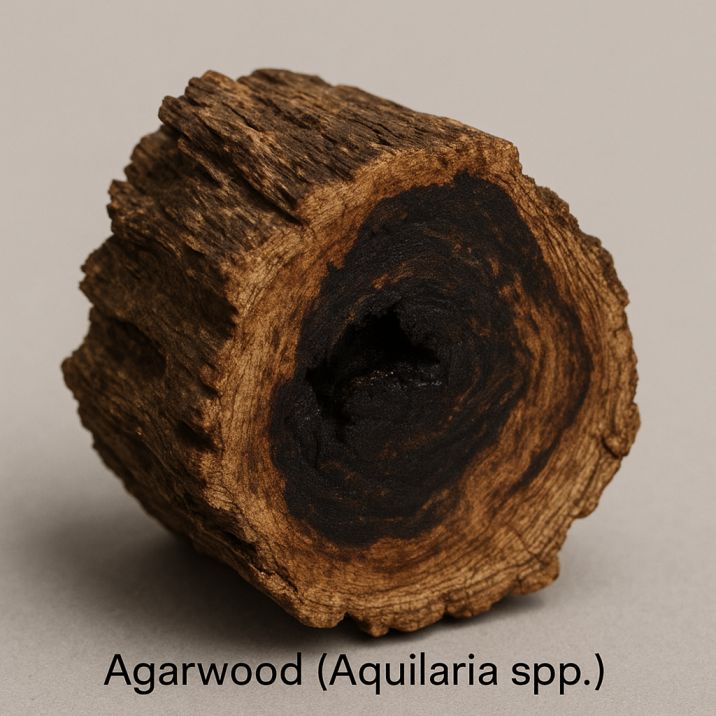
Average Price: Up to $100,000 per kg for resinous wood
Technically more valued for its resin than timber, agarwood forms when Aquilaria trees are infected by a mold, producing a dark, fragrant heartwood. It is distilled into oud oil — one of the world’s most expensive perfumes. High-grade agarwood pieces fetch astronomical prices for carving religious artifacts or incense.
6. Bocote (Cordia spp.)
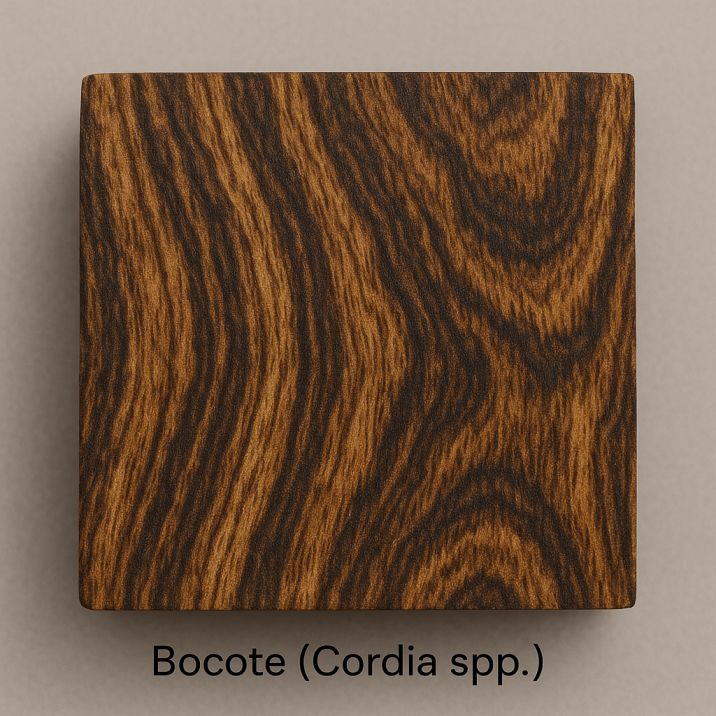
Average Price: $30 – $80 per board foot
Hailing from Mexico and Central America, Bocote features dramatic dark brown and black streaks on a golden backdrop, with swirls that almost look painted. Used in luxury flooring, custom guitars, and fine furniture, Bocote’s eye-catching patterns and moderate scarcity justify its premium pricing.
7. Lignum Vitae (Guaiacum spp.)
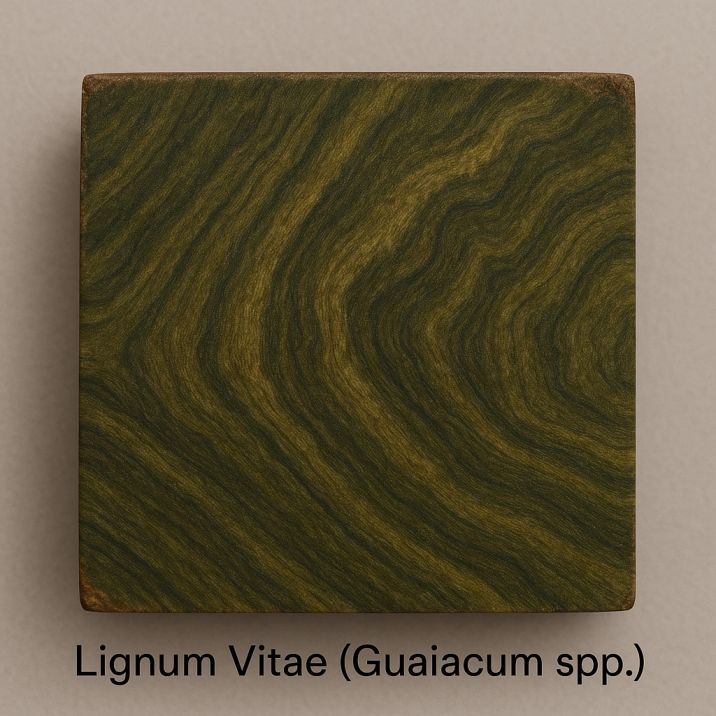
Average Price: $5,000 – $8,000 per cubic meter
Renowned as the hardest and densest wood in the world, Lignum Vitae is so heavy it sinks in water. Historically used for ship propeller bearings and police batons, today it’s mostly seen in luxury tool handles, mallets, and specialty marine parts. Its oily composition and slow growth make it rare and expensive.
8. Snakewood (Brosimum guianense)
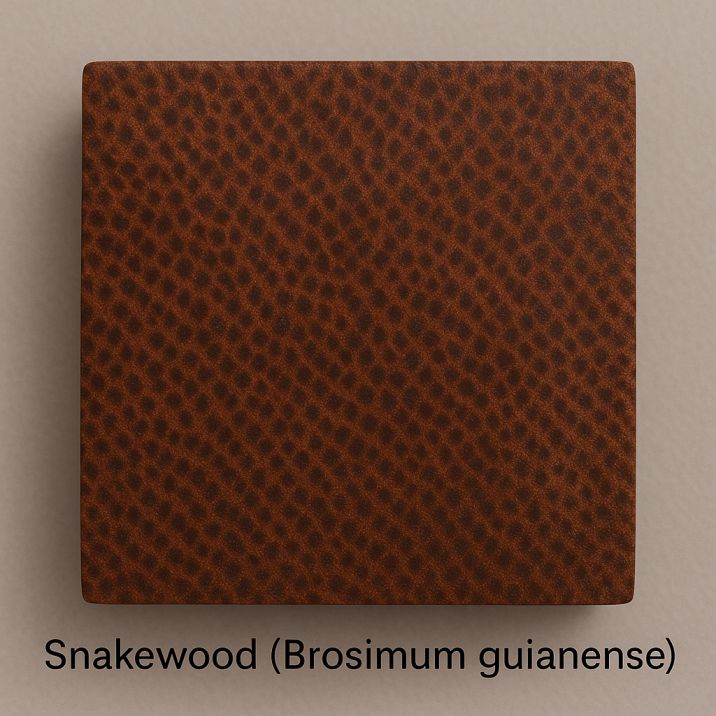
Average Price: $400 – $600 per board foot
Snakewood, native to South America, gets its name from the unique scale-like patterns resembling snake skin. It is extremely dense and brittle, making it difficult to work, but highly sought after for violin bows, custom pens, and knife handles. Limited availability drives its luxury market value.
9. Macassar Ebony (Diospyros celebica)
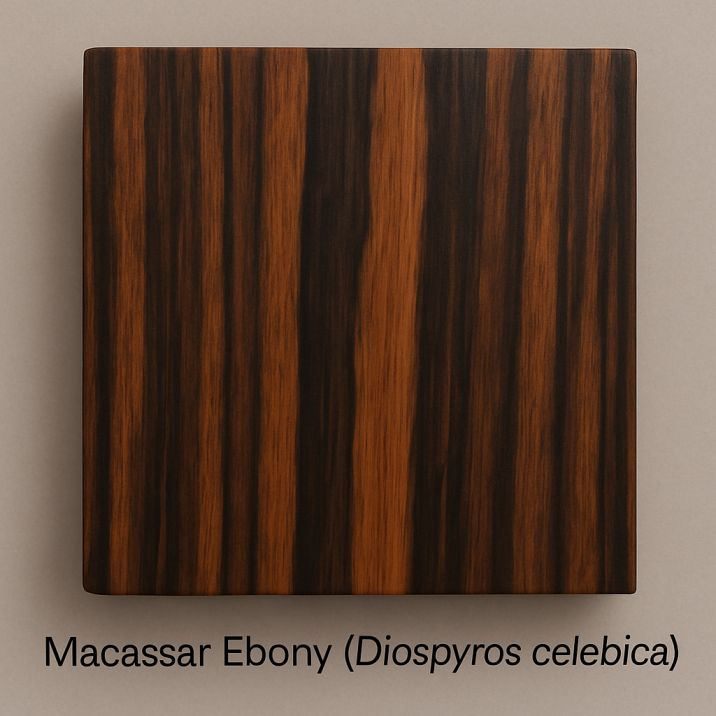
Average Price: $3,000 – $5,000 per cubic meter
This striking wood from Indonesia features dramatic streaks of black, dark brown, and golden hues. Used in high-end cabinetry, veneers, and luxury interiors — even Rolls-Royce has used Macassar Ebony trims. Its beauty and scarcity make it a consistent choice among premium woods.
10. Dalbergia (Rosewoods)
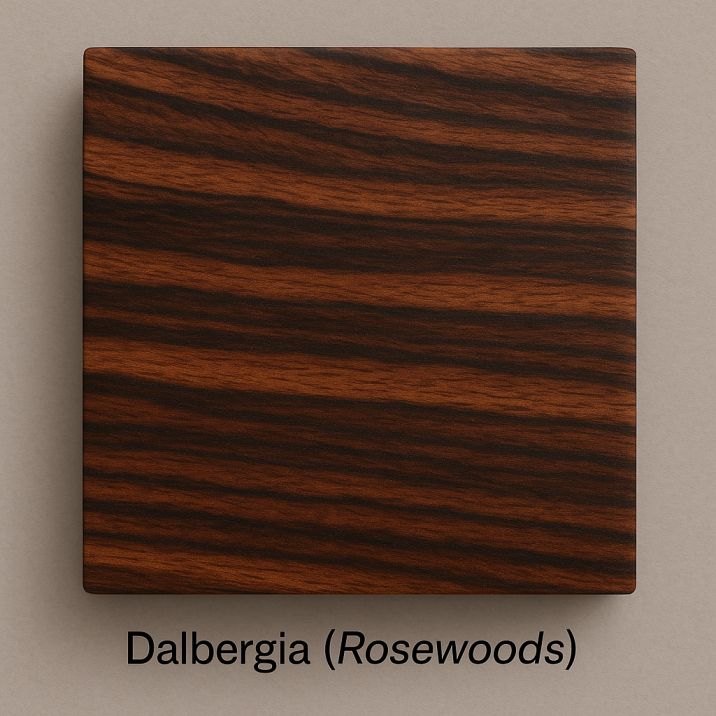
Average Price: $2,000 – $5,000 per cubic meter (depending on species)
The Dalbergia genus includes several famous rosewoods like Brazilian Rosewood and Madagascar Rosewood. These are favored for guitars, luxury furniture, and fine turnery. International restrictions on many Dalbergia species due to overharvesting have only intensified their exclusivity and price.
Why Are These Woods So Expensive?
Several factors drive the exorbitant prices of these timbers:
✅ Scarcity & Slow Growth: Many of these species take decades or even centuries to mature.
✅ Unique Appearance: Striking grains, colors, and natural patterns make them irreplaceable.
✅ Hardness & Durability: Ideal for high-wear uses like instruments, luxury floors, or heirloom furniture.
✅ Cultural & Historical Value: Some woods have deep traditional or royal significance.
✅ Regulations: CITES and national bans limit trade, increasing demand for existing stocks.
Conclusion: Investing in the World’s Costliest Woods
Whether you’re a luxury furniture maker, instrument craftsman, or collector, understanding the most costliest woods helps appreciate why they command such high prices. These woods are not only materials but also living legacies — each piece tells a story of geography, ecology, and human artistry.
If you’re planning to source high-end wood for your next prestigious project, work with responsible suppliers like AtoZ Wood Company, who prioritize sustainable harvesting and provide authentic documentation. Remember, investing in rare wood is also investing in the future of forests worldwide.