+237 681 25 6934
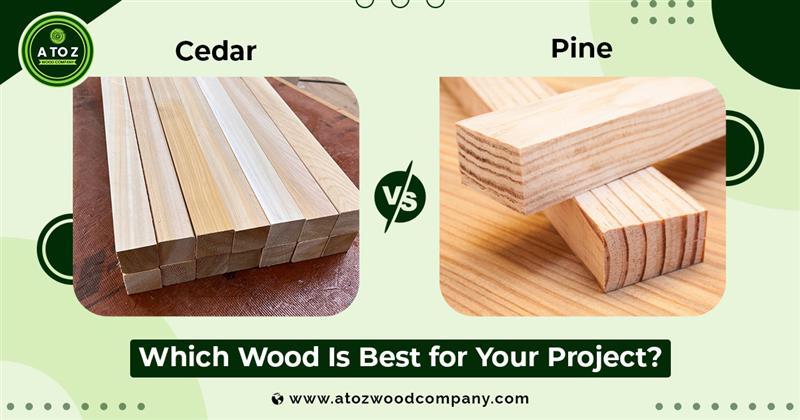
When selecting timber for construction, furniture manufacturing, or outdoor applications, choosing the right wood species is critical. Two of the most commonly compared softwoods in the global timber market are Cedar and Pine. While both are versatile and widely used, they differ significantly in durability, strength, appearance, cost, and ideal applications.
At AtoZ Wood Company, we supply high-quality Cedar and Pine timber to buyers across Asia, the Middle East, Europe, Australia, and North America. This detailed comparison will help you decide which timber best suits your project requirements.
What Is Cedar Wood?
It is a premium softwood known for its natural oils, resistance to decay, and long outdoor lifespan. It performs exceptionally well in harsh weather conditions without chemical treatment, making it a preferred choice for exterior applications.
Key Features
-
Naturally resistant to rot, fungi, and termites
-
Excellent moisture resistance
-
Lightweight and dimensionally stable
-
Distinctive aroma and smooth grain
-
Low maintenance over time
Popular Cedar Types Supplied Globally
-
Western Red Cedar
-
Eastern White Cedar
-
Yellow Cedar
What Is Pine Wood?
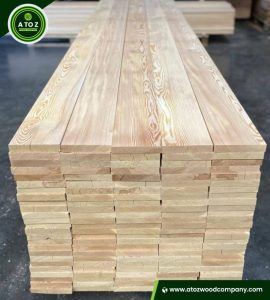
It is one of the most widely used and commercially important softwoods worldwide. Known for its strength, affordability, and ease of processing, Pine is extensively used in construction and furniture manufacturing.
Key Features
-
High strength-to-weight ratio
-
Easy to cut, machine, and finish
-
Accepts paint and stains well
-
Cost-effective for bulk supply
-
Widely available from sustainable plantations
Common Pine Varieties
-
Radiata Pine
-
White Pine
-
Yellow Pine
Cedar vs Pine: Side-by-Side Comparison
1. Durability & Resistance
| Property | Cedar | Pine |
|---|---|---|
| Rot Resistance | Excellent (natural oils) | Low (unless treated) |
| Termite Resistance | High | Moderate |
| Moisture Resistance | Very high | Low |
2. Strength & Structural Performance
| Factor | Cedar | Pine |
|---|---|---|
| Density | Low–Medium | Medium–High |
| Load Bearing | Moderate | High |
3. Appearance & Finish
Cedar
-
Rich reddish-brown to honey tones
-
Straight, fine grain
-
Naturally elegant finish
Pine
-
Light yellow to pale brown
-
Prominent knots (rustic appeal)
-
Can be stained to resemble hardwood
4. Workability & Maintenance
| Aspect | Cedar | Pine |
|---|---|---|
| Machining | Easy | Very easy |
| Maintenance | Low | Moderate |
| Outdoor Treatment | Not required | Required |
5. Cost & Market Availability
| Factor | Cedar | Pine |
|---|---|---|
| Price | Higher | Affordable |
| Bulk Availability | Moderate | High |
Best Uses of Cedar and Pine
Cedar Wood Applications
-
Outdoor decking
-
Garden and patio furniture
-
Fencing and cladding
-
Sauna interiors
-
Boat building
-
Exterior architectural elements
Pine Wood Applications
-
Structural framing
-
Furniture manufacturing
-
Doors and windows
-
Flooring (treated)
-
Pallets and packaging
-
Interior joinery
Sustainability & Responsible Sourcing at AtoZ Wood Company
At AtoZ Wood Company, sustainability is at the core of our operations.
-
Pine is sourced from fast-growing, managed plantations, ensuring high renewability.
-
Cedar is harvested under strict sustainable forestry guidelines to preserve biodiversity.
-
Our operations follow eco-friendly harvesting, processing, and exporting standards.
We ensure ethical labor practices, minimal environmental impact, and long-term forest management—so our clients receive timber that meets both quality and sustainability expectations.
Cedar vs Pine: Which Should You Choose?
Choose Cedar if you need:
-
Long-lasting outdoor timber
-
Natural resistance without chemicals
-
Premium appearance and minimal upkeep
Choose Pine if you need:
-
Strong, structural wood
-
Cost-effective bulk supply
-
Versatile material for interiors and manufacturing
Conclusion
Both are excellent softwoods, but they serve different purposes. Cedar excels in outdoor durability and premium applications, while Pine dominates in affordability, strength, and large-scale use.
For global buyers, builders, furniture manufacturers, and importers, the right choice depends on project requirements, climate conditions, and budget.