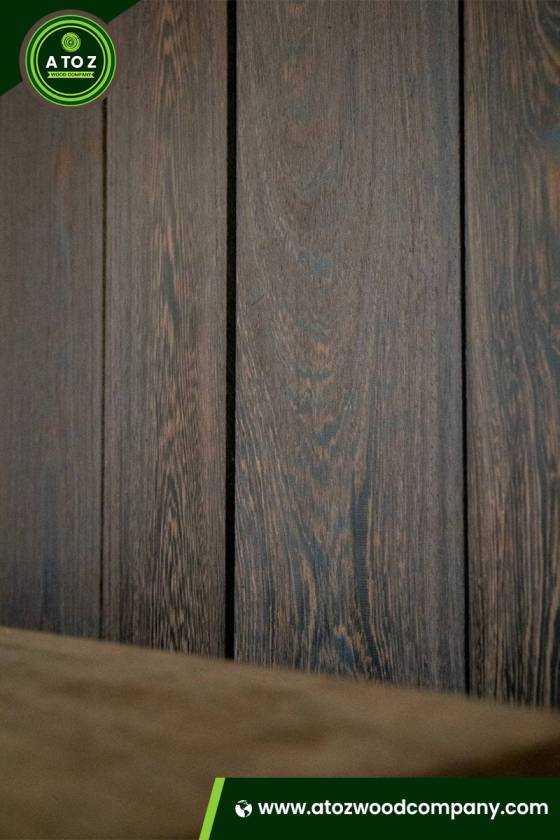
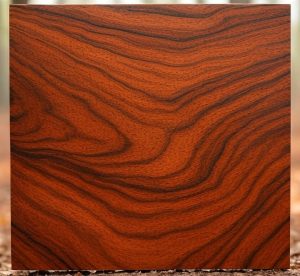
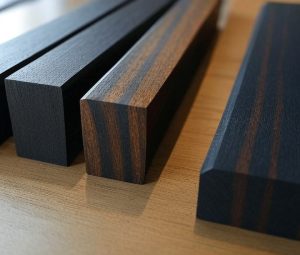
Understanding the difference between sapwood and heartwood is essential for anyone involved in woodworking, forestry, or timber-related industries. These two distinct parts of a tree trunk not only vary in appearance but also in function, durability, and application. This comprehensive guide delves into their characteristics, helping you make informed decisions for your projects.
What Is Sapwood?
Sapwood, also known as alburnum, is the younger, outermost layer of wood in a tree trunk. It plays a crucial role in transporting water and nutrients from the roots to the leaves. Due to its active role in the tree’s physiology, sapwood contains living cells and has a higher moisture content. Visually, sapwood is typically lighter in color, ranging from white to pale yellow, depending on the species.
Key Characteristics:
Functionality: Actively conducts water and nutrients.
Color: Light hues, often white or cream.
Moisture Content: Higher, making it more susceptible to decay.
Durability: Less durable and more prone to insect and fungal attacks.
Workability: Easier to work with due to its softness.
What Is Heartwood?
Heartwood, or duramen, is the central, innermost part of the tree trunk. As the tree ages, older sapwood cells die and become heartwood. This transformation involves the deposition of various substances like resins, tannins, and oils, which enhance the wood’s strength and resistance to decay. Heartwood is typically darker in color, exhibiting rich browns, reds, or even purples, depending on the tree species.
Key Characteristics:
Functionality: Non-functional in water transport; provides structural support.
Color: Darker shades due to chemical deposits.
Moisture Content: Lower, contributing to its stability.
Durability: Highly durable and resistant to pests and decay.
Workability: Harder and denser, which can make it more challenging to work with.
Comparative Analysis: Sapwood vs. Heartwood
Feature
Sapwood
Heartwood
Location
Outer layers of the tree trunk
Central core of the tree trunk
Color
Light (white to pale yellow)
Dark (brown, red, purple hues)
Function
Transports water and nutrients
Provides structural support
Moisture Content
High
Low
Durability
Less durable; prone to decay
Highly durable; resistant to decay
Workability
Easier to cut and shape
Harder; may require specialized tools
Usage
Pulpwood, low-stress applications
Furniture, flooring, structural beams
Sapwood Uses:
Pulp and Paper Industry: Due to its high moisture content and ease of processing.
Woodworking Practice: Ideal for beginners to hone their skills.
Interior Elements: Used in areas where exposure to moisture is minimal.
Heartwood Uses:
Furniture Making: Preferred for its durability and aesthetic appeal.
Construction: Used in beams, flooring, and other structural components.
Outdoor Applications: Suitable for decks, fences, and other structures exposed to the elements.
How to Choose Between Sapwood Vs. Heartwood?
When deciding between the two, consider the following factors:
Durability Requirements: For projects requiring longevity and resistance to decay, heartwood is the superior choice.
Aesthetic Preferences: If a lighter color is desired, sapwood may be more suitable.
Budget Constraints: Sapwood is generally more affordable, making it ideal for cost-sensitive projects.
Workability: For intricate designs requiring easy manipulation, sapwood’s softness can be advantageous.
Both have unique properties that make them suitable for different applications. Understanding their differences is crucial for selecting the right type of wood for your specific needs. While sapwood offers ease of workability and is cost-effective, heartwood provides superior durability and resistance to environmental factors. By aligning your project’s requirements with the characteristics of these wood types, you can ensure optimal results and longevity.
At AtoZWoodCompany, we believe that informed choices lead to better wood solutions. That’s why we supply both high-quality sapwood and heartwood timber, responsibly harvested and processed to meet the needs of diverse industries worldwide. Whether you’re sourcing sustainable hardwoods for construction or need precise cuts for fine furniture, our expert team can guide you to the right type of wood based on your project goals.
Pine is one of the most popular and versatile softwoods used in construction, furniture making, and interior design. Known for its natural beauty, ease of workability, and cost-effectiveness, pine is favored by both commercial wood suppliers and DIY craftsmen alike.
In this guide, we’ll explore the key properties, unique characteristics, wide range of uses along with advantages and disadvantages of pine wood — helping you decide if it’s the right timber for your next project.
What is Pine Wood?
It is a softwood that comes from various species within the Pinus genus. It is primarily harvested from coniferous trees that grow quickly, making pine a renewable and sustainable lumber choice. It is widely grown and harvested in North America, Europe, Asia, and parts of Africa.
Technical Properties of Pine Wood
Here’s a look at the technical specifications of commonly used pine species (such as Radiata, Scots, and Southern Yellow Pine):
Property
Range/Value
Wood Type
Softwood
Density (Air Dry)
352–560 kg/m³
Moisture Content
8–12% (seasoned)
Hardness (Janka)
380–870 lbf (depending on species)
Modulus of Elasticity
8,000–12,000 MPa
Modulus of Rupture
45–90 MPa
Shrinkage (Volumetric)
11–15%
Nail Holding Capacity
Moderate to Good
Workability
Excellent – easy to cut, shape, glue, and finish
Durability
Moderate – needs treatment for outdoor use
Note: Exact values vary depending on the pine species and source region.
Key Physical Properties of Pine Wood
1. Density and Weight
It is a lightweight to moderately heavy lumber. Its density ranges from 352 to 560 kg/mÂł, depending on the species. This makes it easy to handle, transport, and machine.
2. Strength and Durability
Although classified as a softwood, pine offers decent strength and structural stability. It is moderately strong with good compressive and bending strength, making it suitable for framing and load-bearing furniture.
3. Workability
One of pine’s best properties is its excellent workability. It is easy to cut, nail, glue, sand, and stain — even for beginners. This makes it a favorite for carpenters, woodworkers, and DIYers.
4. Appearance and Grain
It has a light yellow to pale cream color, often with brown knots that add a rustic charm. The grain is usually straight with a medium to coarse texture. It accepts paint and stains well, allowing a variety of finishes.
5. Resistance to Decay
Pine is not naturally resistant to insects and moisture. However, pressure-treated pine improves durability and is often used for outdoor applications.
Pine Wood Characteristics that Makes it Unique
Fast Growth Rate: Grows quickly, making it more sustainable and affordable.
Aromatic Resin: Some pine varieties have a pleasant, natural scent due to resin content.
Versatile Grades: Available in different grades — from knotty pine for a rustic look to clear pine for a smooth, refined finish.
Adaptability: Can be used in both structural and decorative applications.
Common Uses of Pine Wood
It’s versatility makes it a go-to material across a variety of industries and applications:
1. Furniture Manufacturing
Used for beds, tables, wardrobes, and cabinets, pine’s softness allows for intricate designs while still being durable.
2. Interior Joinery
Ideal for doors, window frames, moldings, baseboards, and wall cladding.
3. Structural Framing
Builders use pine for studs, beams, and roofing due to its strength and availability.
4. Flooring & Paneling
Especially in rustic and cottage-style homes, pine flooring is a popular aesthetic choice.
5. Exterior Applications (When Treated)
Pressure-treated pine is suitable for outdoor decking, fencing, garden sheds, and pergolas.
6. Packaging & Pallets
Lightweight yet durable, pine is used extensively for making crates, boxes, and shipping pallets.
Pine Wood Advantages and Disadvantages
Advantages of Pine Wood âś…
1. Affordable and Readily Available
It is one of the most cost-effective timbers in the market. Its widespread availability makes it ideal for budget-friendly furniture, construction, and interior design projects.
2. Lightweight and Easy to Work With
Being a softwood, pine is lighter than most hardwoods, which makes cutting, shaping, and sanding quick and easy — even with basic tools.
3. Attractive Natural Appearance
With its pale yellow to light brown tones and distinctive grain patterns, pine offers a warm, rustic look that can suit both traditional and modern designs.
Pine trees grow rapidly, making them a renewable and eco-friendly wood source. At AtoZ Wood Company, we ensure our pine is sourced from sustainably managed forests.
6. Good Dimensional Stability
When properly dried, pine resists warping and shrinking, making it a reliable choice for doors, window frames, and cabinetry.
Disadvantages of Pine Wood ❌
1. Lower Hardness and Dent Resistance
Pine wood properties makes it softer than hardwoods like oak or maple, which means it can dent and scratch more easily, especially in high-traffic areas.
2. Susceptible to Decay if Untreated
Untreated pine is prone to rot, insect attack, and weather damage when used outdoors. Pressure treatment or sealing is essential for exterior applications.
3. Knots May Affect Appearance and Workability
It often contains knots, which add a rustic charm but may also weaken the wood or cause uneven staining.
4. Requires Regular Maintenance
To keep pine wood furniture or outdoor structures in top condition, periodic refinishing, sealing, or repainting is necessary.
5. Not as Strong as Some Alternatives
While pine has good strength for general use, it may not be ideal for heavy structural applications compared to denser woods.
Why Choose AtoZWoodCompany for Premium Pine lumber?
At AtoZWoodCompany, we specialize in providing top-grade Pine lumber that meets the highest standards of strength, sustainability, and versatility. Whether you’re sourcing timber for furniture manufacturing, construction, or interior projects, our Pine wood products are carefully selected and processed to deliver unmatched quality.
With ethical harvesting practices, competitive prices, and global shipping, we ensure that you get reliable, eco-conscious wood solutions — on time, every time.
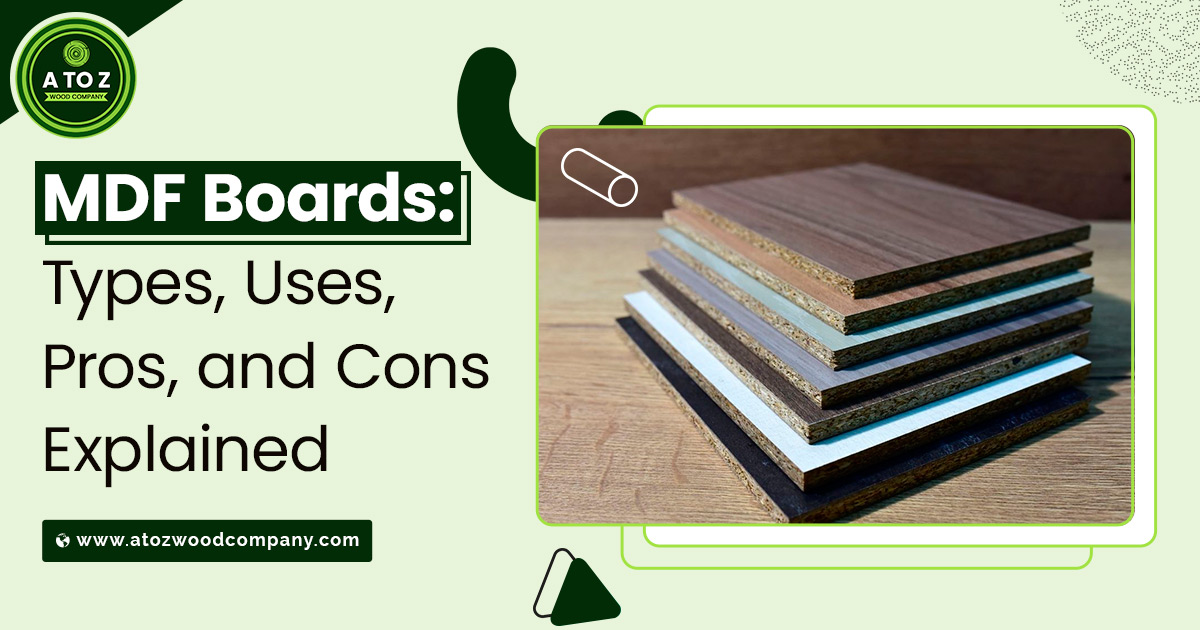
Medium Density Fiberboard, commonly known as MDF boards, is a popular engineered wood product used extensively in furniture making, interior design, cabinetry, and construction. These boards are prized for their smooth surface, versatility, and affordability, making them a preferred choice for both professional woodworkers and DIY enthusiasts. In this article, we will explore the types of MDF boards, their common uses, the advantages and disadvantages, and important tips to consider when selecting MDF for your projects.
What is Medium Density Fiberboard Board?
It is an engineered wood product made from wood fibers combined with wax and resin binders, compressed under high temperature and pressure to form dense, flat panels. Unlike plywood or solid wood, MDF contains no grain, knots, or rings, resulting in a consistent texture that is easy to cut, shape, and finish.
Popular Types of MDF Boards
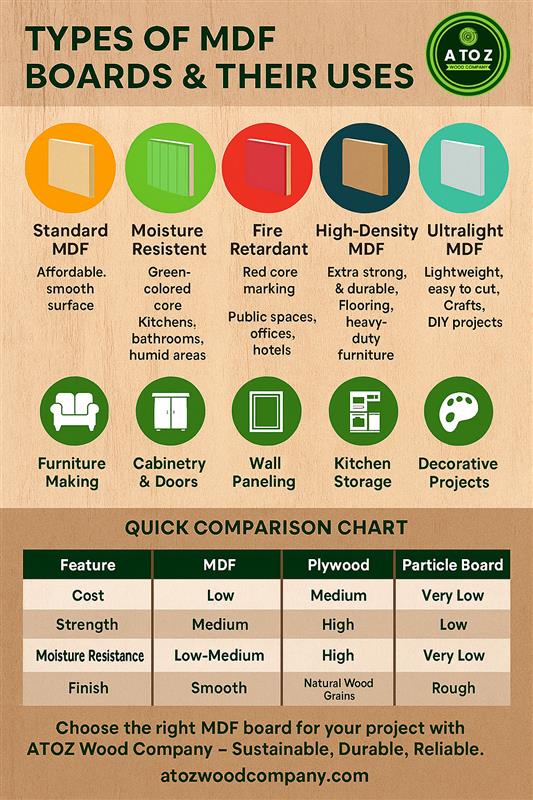
There are several types of Medium density fiber boards designed to meet different needs based on durability, moisture resistance, and usage:
1. Standard MDF
The most common type, suitable for indoor applications such as furniture, cabinetry, and wall paneling. It offers a smooth surface that is ideal for painting and veneering.
2. Moisture-Resistant MDF
Also known as MR MDF, this type contains special additives that make it resistant to humidity and moisture. It’s perfect for kitchens, bathrooms, and other areas with higher moisture exposure.
3. Fire-Retardant MDF
This variant is treated with fire-retardant chemicals, reducing flammability. It’s often used in commercial buildings or areas where fire safety is a concern.
4. Ultralight MDF
A lighter version of standard MDF, easier to handle and transport, though it may have slightly less density and strength. Ideal for decorative work and lightweight furniture.
5. High-Density MDF
Thicker and stronger, this board is used for applications requiring more durability and load-bearing capacity, such as flooring underlays or structural components.
6. Melamine MDF Board
This medium density fiberboard type is laminated with a thin melamine-impregnated paper layer, giving it a decorative and wear-resistant surface. Available in various colors, textures, and wood grain finishes.
7. UV MDF Board
UV-coated boards have a high-gloss or matte UV (ultraviolet) coating applied on the surface, cured with UV light for durability and an aesthetic finish.
Visual Guide to Medium Density Fiberboard Types and Applications
Uses of Medium Density Fiberboards
Thanks to its versatility and workability, MDF boards are widely used in many industries:
Furniture Making: Ideal for wardrobes, tables, shelves, and cabinets.
Interior Decoration: Wall panels, ceiling panels, moldings, and decorative trims.
Cabinetry: Kitchen and bathroom cabinets benefit from moisture-resistant MDF.
Doors: Both internal and sometimes external doors with veneered finishes.
Crafts and DIY Projects: MDF is easy to cut and paint, making it a favorite for hobbyists.
Speaker Boxes: Due to its density and acoustic properties, MDF is often used in audio enclosures.
Pros of MDF Boards
Smooth Surface: Perfect for painting, laminating, and veneering without grain interference.
Cost-Effective: Generally cheaper than plywood or solid wood.
Uniformity: No knots or grains means consistent quality and easy machining.
Easy to Work With: Cuts, drills, and shapes easily without splintering.
Environmentally Friendly: Often made from recycled wood fibers, reducing waste.
Strong and Dense: Offers good strength for most indoor applications.
Cons of MDF Boards
Moisture Sensitivity: Standard MDF swells and deteriorates when exposed to water unless it is moisture-resistant type.
Heavy Weight: Denser than plywood, making handling and installation more labor-intensive.
Lower Structural Strength: Not as strong as plywood or solid wood for load-bearing applications.
Dust Generation: Cutting and sanding MDF produces fine dust that can be harmful if inhaled; protective masks are recommended.
Not Suitable for Outdoor Use: It generally lacks resistance to weather and moisture unless specially treated.
Why Choose AtoZWoodCompany for Your MDF Board Needs?
Whether you’re building custom furniture, designing sleek interiors, or working on large-scale commercial projects, these boards offers an ideal balance of affordability, versatility, and performance. From Plain MDF to Melamine-coated and UV-finished MDF, there’s a type suited for every application—be it moisture-prone environments, decorative finishes, or fire-retardant requirements.
For premium quality MDF boards that meet international standards and sustainable sourcing practices, trust AtoZWoodCompany. As a leading timber exporter and supplier, AtoZWoodCompany offers a wide range of MDF board types for sale at competitive prices. Whether you need bulk supply or custom sizes, they deliver durable, eco-friendly wood products with worldwide shipping and expert support.
Frequently Asked Questions (FAQs)
1. Which type of MDF is best for kitchen or bathroom use? Moisture-Resistant MDF (MR MDF) is ideal for high-humidity areas like kitchens and bathrooms due to its water-repellent resin content.
2. Can Medium Density Fiberboards be used outdoors? Yes, but only Exterior Grade MDF is suitable for outdoor applications. It is engineered to withstand weather, moisture, and temperature fluctuations better than standard MDF.
3. What is the difference between MDF and plywood? It is smoother, denser, and more uniform than plywood, making it ideal for painting and intricate finishes. Plywood, however, is stronger in terms of load-bearing and is better suited for structural use.
4. Is Fire-Retardant MDF safe for home interiors? Absolutely. FR MDF is specially treated to slow down the spread of flames, making it ideal for commercial buildings, public areas, or homes requiring enhanced fire safety.
5. Is MDF a sustainable wood product? Yes. It is made from recycled wood fibers and sawdust, making it a more eco-friendly choice compared to solid wood, especially when sourced from certified manufacturers like AtoZ Wood Company.
6. Can I paint or laminate MDF boards? Yes, MDF boards are ideal for painting, veneering, or laminating, thanks to their smooth surface and excellent adhesion properties.
Choosing between (Medium-Density Fiberboard) MDF and Plywood can greatly impact the longevity, appearance, and cost-efficiency of your woodworking or construction project. These two engineered wood products may look similar, but their performance under different conditions—like moisture, weight, and load-bearing—varies widely. This in-depth comparison breaks down the pros and cons of MDF and Plywood to help you make an informed decision based on your project’s purpose, budget, and durability needs.
What is MDF (Medium-Density Fiberboard)?
MDF is an engineered wood product made by breaking down hardwood or softwood residuals into wood fibers and binding them together with wax and resin under high temperature and pressure.
Key Properties:
Property
Value
Density
600–800 kg/m³
Surface
Smooth
Workability
Easy
Resistance
Low
Cost
Budget
What is Plywood?
Plywood is made by gluing together thin layers (plies) of wood veneer. Each layer is rotated 90° from the previous one, giving plywood excellent strength and stability.
Key Properties:
Property
Value
Density
500–700 kg/m³
Surface
Natural wood grain
Workability
Moderate (splinters)
Resistance
Good moisture resistance
Cost
Higher than MDF
MDF vs Plywood: Comparison Table
Feature
MDF
Plywood
Composition
Wood fibers + resin
Wood veneers + adhesive
Surface Finish
Smooth, uniform
Natural wood texture
Strength
Moderate
High
Durability
Susceptible to damage
More impact-resistant
Water Resistance
Low
Moderate to high (MR & BWP)
Flexibility
Less
More
Edge Holding Capacity
Weak
Strong
Screw Holding Strength
Poor
Excellent
Paintability
Excellent
Moderate
Eco-friendliness
Contains synthetic resins
Can be more natural
Cost
Low
Medium to high
Other Factors to Consider
1. VOC Emissions & Health Impact
Medium-Density Fiberboard often contains urea-formaldehyde resins, which can emit VOCs. Choose E1 or E0 grade MDF for safer air quality. Plywood usually has lower VOC emissions.
2. Sustainability & Eco Footprint
MDF uses recycled fibers, reducing raw timber usage. FSC-certified plywood is more sustainable when sourced ethically.
3. Noise Insulation
MDF is denser and better for soundproofing uses like speaker boxes and acoustic panels.
4. Fire Resistance
Medium-Density Fiberboard burns more readily, but FR-MDF is available. Plywood chars, giving limited resistance.
Applications of Medium-Density Fiberboard and Plywood
Application Area
MDF
Plywood
Interior Furniture
âś… Excellent
âś… Good
Cabinetry & Shelves
âś… Great for painted finishes
âś… Stronger for heavier loads
Wall Paneling
âś… Smooth surface for paint
âś… Suitable for natural finish
Doors
đźš« Warps in moisture
âś… Preferred for durability
Flooring Substrate
đźš« Not recommended
âś… Good support layer
Kitchen & Bathroom
đźš« Avoid
âś… Use Marine Plywood (BWP)
Cost Comparison(2025 Price Estimate)
Material Type
Price (per 4Ă—8 ft sheet)
Thickness
Region
MDF (Standard)
$25 – $40
18 mm
USA/Europe
MDF (Moisture Resistant)
$35 – $50
18 mm
USA/Europe
Plywood (Commercial)
$45 – $70
18 mm
USA/Europe
Plywood (Marine Grade)
$70 – $110
18 mm
USA/Europe
Which One Should You Choose?
The choice between MDF and Plywood boils down to intended use, budget, and environmental exposure.
Choose MDF for cost-effective, paintable interior furniture where moisture isn’t an issue.
Choose Plywood for long-lasting strength, durability, and areas exposed to stress or water.
Why Buy from AtoZWoodCompany?
At AtoZWoodCompany, we offer:
High-grade MDF and Plywood options (commercial, moisture-resistant, marine-grade)
Eco-certified, low-VOC products
Custom sizing, bulk delivery, and export worldwide
Fair pricing with consistent quality control
Sustainable harvesting and ethical wood manufacturing practices
Whether you need Medium-Density Fiberboard for modern furniture or plywood for rugged construction, AtoZWoodCompany ensures you get timber that supports both your goals and the planet.
Wood selection is critical for any project—whether it’s furniture-making, cabinetry, trim, or construction. Pine vs Poplar are two of the most commonly used types of wood due to their affordability, availability, and versatility. But understanding their differences can help you select the one that meets your project’s specific needs.
Overview of Pine Wood
Pine is a type of softwood harvested from coniferous trees, primarily found in North America, Europe, and parts of Asia. It’s available in multiple species, such as:
Eastern White Pine
Southern Yellow Pine
Radiata Pine
Ponderosa Pine
Key Characteristics:
Light yellowish color with occasional knots
Soft texture with visible grain patterns
Lightweight and easy to handle
Resinous smell
Overview of Poplar Wood
Poplar  despite being classified as a hardwood, is one of the softer hardwoods available. It typically comes from Yellow Poplar (Liriodendron tulipifera) or Cottonwood species.
Key Characteristics:
Creamy white to light green or brown
Uniform, fine grain
Smooth texture with fewer knots
Odorless and low resin content
Pine vs Poplar: Key Differences
Feature
Pine
Poplar
Type
Softwood
Hardwood (soft for a hardwood)
Color
Yellowish with visible knots
Light cream or greenish
Grain
Prominent and irregular
Straight and uniform
Hardness (Janka)
~380-870 lbf (varies by type)
~540 lbf
Workability
Easy to cut but knots can chip
Very easy to machine and sand
Cost
Generally cheaper
Slightly more expensive
Best for
Rustic furniture, framing
Paint-grade cabinetry, trim
1. Durability and Strength
Pine:
Less dense, prone to dents and scratches
Some species (e.g., Southern Yellow Pine) offer better strength
Tends to shrink or warp if not properly dried
Poplar:
More dimensionally stable than Pine
Moderate hardness; resists warping and splitting
Less prone to moisture damage compared to soft pine
2. Appearance and Grain
Pine:
Rustic look with noticeable knots
Yellow to reddish hues
Accepts stains but can blotch without pre-treatment
Both Pine and Poplar are sustainably grown in managed forests, making them eco-friendly options. Pine grows quickly and is often sourced from plantations. Poplar is also a fast-growing species, making it renewable and widely used in green building projects.
Which Wood Should You Choose?
Choose Pine if:
You’re on a tight budget
You want a rustic, knotty appearance
You’re working on a rough carpentry or DIY project
Choose Poplar if:
You need a smooth surface for painting
You want a clean, modern look
You’re building cabinetry, trim, or fine furniture
Conclusion
Both Pine and Poplar wood have their advantages. Pine is perfect for rustic, cost-effective builds, while Poplar shines in paint-grade and precision work. By understanding their characteristics, you can choose the right wood to ensure durability, aesthetic appeal, and performance in your project.
If you’re sourcing high-quality Pine or Poplar timber, slabs, or logs, AtoZ Wood Company offers responsibly harvested, kiln-dried wood with global shipping options. Contact us today for pricing and availability.
Light colored wood is an increasingly popular material in construction, interior design, furniture making, and various woodcrafts. Known for its subtle tones, easy handling, and versatile aesthetic appeal, light wood fits seamlessly into modern, minimalist, rustic, and Scandinavian-style spaces. At AtoZWood, we supply sustainably harvested light woods with global delivery, offering high-quality timber for diverse applications.
In this comprehensive guide, we’ll explore everything you need to know about pale wood — from its types and properties to its pros, cons, and common uses.
What Is Light Wood?
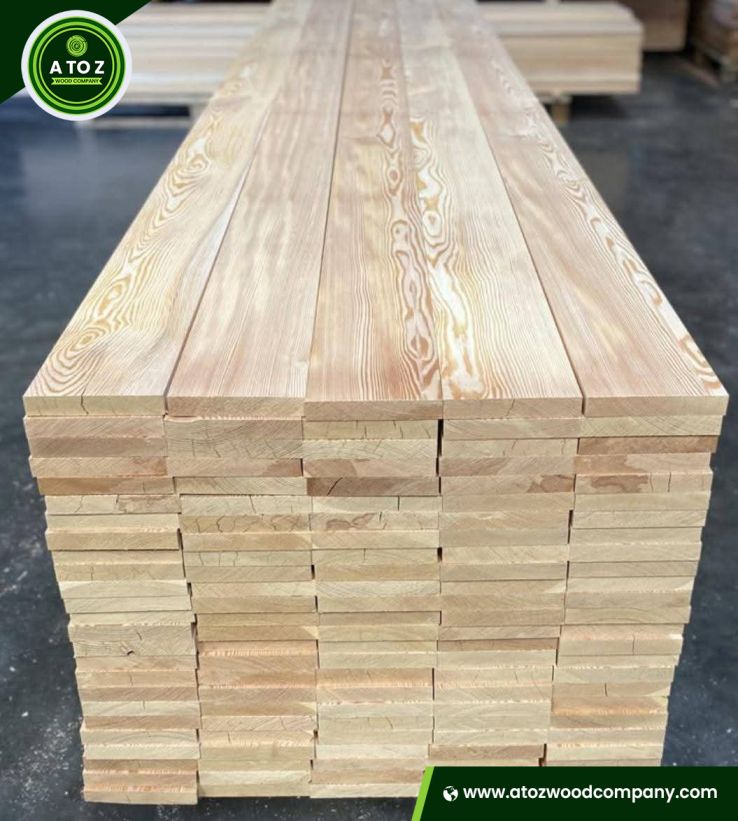
It refers to wood species that are light in color and/or weight. These woods typically feature pale tones like cream, yellow, light brown, or white. The term also often refers to wood types that have lower density, making them physically lighter and easier to work with.
Common Characteristics:
Pale or neutral color tones
Smooth and even grain
Lightweight and easy to handle
Can be either softwood or hardwood
Accepts stains and finishes well
Types of Light Colored Wood
Here are some of the most popular light wood species used worldwide:
1. Pine
Color: Pale yellow to white
Type: Softwood
Characteristics: Affordable, easy to work with, widely available
Characteristics: Lightweight, cost-effective, takes paint well
Uses: Furniture frames, millwork, veneer
6. Spruce
Color: White to yellowish
Type: Softwood
Characteristics: Lightweight, good acoustic properties
Uses: Musical instruments, framing, general construction
Properties of Light Wood
They offer a unique blend of strength, versatility, and visual appeal. Their properties make them suitable for both structural and decorative purposes.
Key Properties:
Workability: Easy to cut, shape, and sand
Lightweight: Reduces load in construction
Good Paintability: Ideal for colored finishes
Natural Look: Enhances minimalist and bright aesthetics
Sustainable Options: Many light wood species grow quickly and are easily renewable
Pros and Cons of Pale Colored Wood
âś… Advantages:
Enhances space with brightness and warmth
Ideal for modern, minimalist, and Scandinavian interiors
Easier to transport and install due to lightweight
Cost-effective options available (e.g., pine, poplar)
Wide selection of species and finishes
Compatible with stains, paints, and coatings
❌ Disadvantages:
Some light woods like pine and poplar are soft and prone to dents
Can yellow over time without UV protection
Shows stains and scratches more easily on unfinished surfaces
Lower density options may not be suitable for heavy-duty applications
Uses of Light Wood Types
It can be used across residential, commercial, and artistic projects:
Interior Applications:
Flooring
Wall paneling
Furniture (tables, chairs, wardrobes)
Ceilings and beams
Decorative items
Construction:
Framing
Roof trusses
Partition walls
Craft and DIY:
Toys
Picture frames
Small household accessories
Interesting Facts About Pale Colored Wood
They are often preferred in small spaces to create an illusion of openness.
Scandinavian design principles favor pale colored timber for its calming and organic appeal.
Poplar, though a hardwood, is often softer than some softwoods like Douglas fir.
Pale timber species like spruce and pine are extensively used in musical instruments for their tonal qualities.
Why Choose AtoZWood for Pale Colored Wood Supply?
AtoZWood is a trusted name in sustainable timber harvesting and international export. We offer premium light wood species like poplar, pine, and birch in logs, slabs, boards, and finished timber products.
Why Buy Light Colored Wood from Us?
Sustainably harvested timber from certified forests
Kiln-dried and air-dried options
Custom sizes and processing available
Export to over 30 countries
Competitive pricing and reliable delivery
Is Pale-Colored Wood Right for You? Here’s Where to Buy It
Light tone wood is an exceptional material that blends aesthetics with functionality. Whether you’re building furniture, designing a home, or managing a commercial project, light wood offers style, simplicity, and strength.
At AtoZWood, we help you choose the right pale wood for your project with quality assurance and global export capabilities. Contact us today to explore our range of pale timber products, get pricing, or place an order.
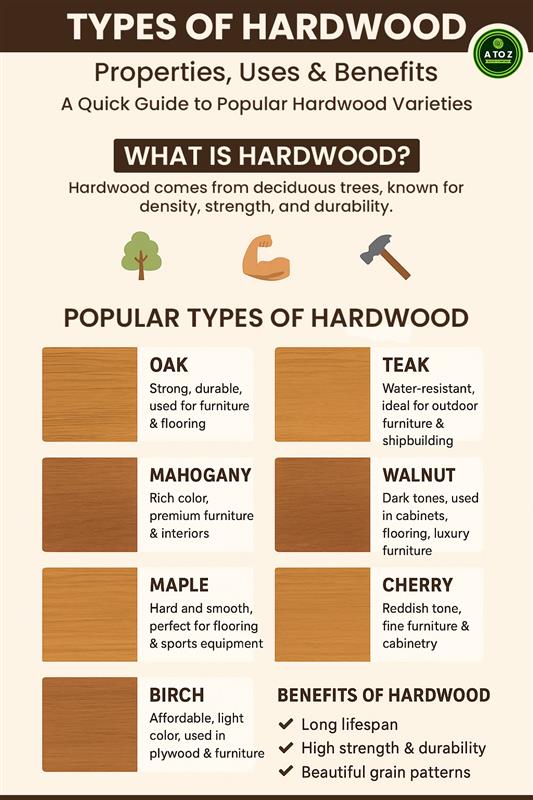
Dark wood has long been a symbol of elegance, luxury, and sophistication. Whether used in furniture, flooring, cabinetry, or decorative pieces, its rich tones and timeless appeal make it a favorite among designers, architects, and homeowners. In this comprehensive guide, we will explore everything you need to know about dark wood properties,types, characteristics, advantages, disadvantages, and practical uses.
What is Dark Wood?
It refers to wood that naturally has a deeper, darker tone, typically in shades of brown, chocolate, mahogany, or even black. This coloration can come from the wood species itself or result from treatments like staining, fuming, or aging. Dark woods are often hardwoods, prized for their strength, density, and aesthetic depth.
Popular Types of Dark Wood
Here are some of the most popular and widely used dark wood types:
Walnut
Color: Dark brown with purple or gray undertones
Origin: North America, Europe
Uses: Furniture, flooring, cabinetry, gunstocks
Mahogany
Color: Deep reddish-brown
Origin: Central/South America, Africa
Uses: Furniture, musical instruments, boat building
Wenge
Color: Very dark brown to black with subtle striping
Origin: Central Africa
Uses: Flooring, paneling, furniture
Rosewood
Color: Reddish to purplish-brown with dark veining
Origin: Brazil, India, Southeast Asia
Uses: Luxury furniture, musical instruments
Ebony
Color: Jet black or dark brown-black
Origin: Africa, India, Southeast Asia
Uses: Decorative inlays, piano keys, premium furniture
Durability: Most dark woods are hardwoods with high resistance to wear and tear.
Density: Dense and heavy, contributing to structural integrity.
Aesthetic Appeal: Rich colors, attractive grains, and elegant finishes.
Aging Gracefully: Many dark woods darken further with age, enhancing their beauty.
Advantages and Disadvantages of Dark Wood
Advantages
Disadvantages
Luxurious Appearance
Shows Dust & Scratches: Highlights dust, fingerprints, and surface scratches
Timelessness
Heavier: Can be difficult to handle and install
Versatility
Cost: Typically more expensive than lighter woods
Durability
Limited Lighting: Can make small spaces look darker without adequate lighting
Uses of Dark Wood
Furniture: From dining tables to bed frames, it lends a sophisticated touch.
Flooring: Ideal for high-end homes and commercial spaces.
Cabinetry: Especially popular in kitchens and bathrooms.
Interior Paneling: Adds warmth and depth to walls and ceilings.
Musical Instruments: Preferred for tonal quality and aesthetic appeal.
Interesting Facts About Different Types of Dark Wood
Ebony wood is so dense it sinks in water.
Wenge and Rosewood are highly sought after for luxury designs but face restrictions due to overharvesting.
Mahogany was historically used for shipbuilding due to its durability and resistance to rot.
Dark woods often appreciate in value over time, making them an investment-grade material.
Conclusion: Is Dark Wood Types Right for You?
If you’re aiming for an elegant, timeless, and durable aesthetic in your home or commercial space, it is a worthwhile investment. While it comes at a premium and requires some maintenance to preserve its look, the benefits far outweigh the drawbacks.
Whether you’re a designer, builder, or homeowner, choosing dark wood means choosing strength, beauty, and sophistication.
Looking to source premium dark wood slabs, timber, or logs? At AtoZWoodCompany, we supply high-quality dark woods like Iroko, Mahogany, and more — available in bulk with global shipping. Explore our full range and get in touch for the best wood price today.
When choosing the right type of wood for furniture, flooring, or construction, one common comparison arises—Rubberwood vs Solid Wood. While both materials are widely used in carpentry and interior design, they differ in origin, characteristics, durability, cost, and sustainability. In this detailed guide, we explore the key differences, pros and cons, and best use cases of Rubberwood and Solid Wood to help you make an informed buying decision.
What is Rubberwood?
Rubberwood comes from the Hevea brasiliensis tree, commonly known as the rubber tree. After 25–30 years of latex production, these trees are harvested and processed into timber. Rather than being discarded, the wood is repurposed, making it an eco-friendly and economical choice.
Key Features of Rubberwood:
Color: Light blonde to medium tan
Grain: Straight, uniform texture
Hardness: 960 lbf (Janka scale)
Sustainability: Highly eco-friendly (recycled after latex production)
Common Uses: Furniture, cabinets, kitchen accessories, toys
What is Solid Wood?
Solid wood refers to natural lumber cut directly from trees and used in its whole, original form. This category includes hardwoods like oak, walnut, maple, and softwoods like pine and spruce. Solid wood is prized for its strength, beauty, and longevity.
Hardness: Varies from 300 to 3,600+ lbf on Janka scale
Longevity: Can last for decades or even centuries
Common Uses: Flooring, structural beams, doors, high-end furniture
Rubberwood vs Solid Wood: Key Differences
Feature
Rubberwood
Solid Wood
Source
Plantation rubber trees
Natural forests (various species)
Durability
Moderate
High (varies by species)
Hardness
~960 lbf
300–3,600+ lbf
Cost
Affordable
Can be expensive
Sustainability
Highly sustainable
Varies (some types endangered)
Resistance
Susceptible to moisture and insects if untreated
More naturally resistant (especially hardwoods)
Finish
Takes stains and paints well
Often valued for natural grain and finishes
Common Use
Budget furniture, accessories
Premium furniture, construction, flooring
Pros and Cons of Rubberwood
âś… Pros:
Eco-friendly: Made from reclaimed trees
Budget-friendly: Lower cost than many solid woods
Workability: Easy to machine, glue, and finish
Sustainably sourced: Reduces waste from rubber production
❌ Cons:
Less durable: Not suitable for outdoor use unless treated
Moisture-sensitive: Prone to warping if exposed to humidity
Insect vulnerability: Requires chemical treatment for pest resistance
Pros and Cons of Solid Wood
âś… Pros:
Superior durability: Can last generations
Aesthetic appeal: Rich grains and natural textures
High resale value: Desirable in luxury markets
Versatile strength: Suitable for structural and decorative use
❌ Cons:
Expensive: Especially hardwoods like teak, walnut, or mahogany
Sustainability concerns: Some types are endangered or overharvested
Weight: Heavier and harder to transport
Which One Should You Choose?
The answer depends on your specific needs:
Choose Rubberwood if you want an eco-friendly, affordable material for indoor furniture, cabinetry, or decorative items. It’s ideal for short- to medium-term use and works well in low-moisture environments.
Choose Solid Wood for premium furniture, long-term investments, or structural applications. It offers unmatched durability and visual richness, especially in high-traffic or outdoor areas.
Applications Comparison
Application
Best Option
Indoor Furniture
Rubberwood (budget) or Solid Wood (premium)
Outdoor Furniture
Solid Hardwood (e.g., teak)
Kitchen Accessories
Rubberwood (light use)
Structural Framing
Solid Wood
Flooring
Solid Wood
Decorative Items
Both (depends on finish)
Price Comparison: Rubberwood vs Solid Wood
Rubberwood price per cubic meter: Generally ranges between $300–$600
Solid wood price per cubic meter: Varies significantly:
Pine: ~$400–$700
Oak: ~$1,200–$2,500
Teak/Mahogany: ~$2,000–$4,000+
Note: Prices vary by grade, drying method, source, and availability.
Buy Smart: Rubberwood or Solid Wood from AtoZWoodCompany
If you’re looking for an affordable, eco-friendly wood option for indoor furniture or light-use projects, Rubberwood is an excellent choice. Its sustainable sourcing and smooth finish make it ideal for budget-conscious buyers. On the other hand, if your priority is durability, timeless beauty, and long-term performance, Solid Wood remains unmatched, especially for structural work, flooring, and premium furniture.
Ultimately, your decision should be based on your budget, application, and environmental conditions.
For high-quality Rubberwood and Solid Wood for sale at competitive prices, look no further than AtoZWoodCompany. We offer sustainably sourced timber products, bulk supply options, and worldwide shipping. Whether you’re a builder, designer, or furniture manufacturer, you can buy both Rubberwood and Solid Wood directly from AtoZWoodCompany with confidence in quality and ethical sourcing.
Teak wood is one of the most prized hardwoods in the world, renowned for its durability, beauty, and resistance to weather and pests. Whether you’re a furniture manufacturer, builder, or homeowner looking for premium wood, understanding the different types of teak wood can help you make the best choice for quality and budget.
There are many varieties, the two most common ways to differentiate teak species are their origin and grade. Different species vary greatly in quality, color, grain pattern, physical properties, and longevity. In this guide, we’ll talk about the different types of Teak wood by grade and origin, helping you choose the right fit for your project.
What is Teak Wood?
Tectona grandis is a tropical hardwood found mainly in Southeast Asia, including India, Indonesia, Burma, Thailand, and other regions. It is valued for its striking appearance, natural oils, resistance to pests, and diverse applications. Teak is commonly used for:
Outdoor and indoor furniture
Boat decks and marine applications
Flooring and paneling
High-end woodworking projects
Due to its high demand, Teak is now also harvested in plantations across the world, including Africa and South America. Each species has unique traits based on its origin and grade, making them key factors in selecting the right type.
Types of Teak Wood by Origin
Here are the most popular Teak species by origin:
1. African Teak (Iroko)
Origin:Â West Africa Durability:Â Comparable to teak Grain:Â Irregular Color:Â Yellowish to brown
Often marketed as “African teak,” Iroko is not a true teak but is used as an economical alternative. It has lower silica content, making it easier to machine compared to true teak. This can save up to 15% in tooling costs in industrial settings.
2. Burmese Teak (Myanmar Teak)
Origin:Â Myanmar (Burma) Durability:Â Extremely high Grain:Â Straight, even Color:Â Golden brown, darkens with age
It has the highest natural oil content, giving it unmatched resistance to termites, rot, and water. But what’s often overlooked is its micro-density zoning: wood closer to the tree center (heartwood) is 30–40% denser than outer growth, making inner boards more valuable for marine and luxury furniture applications.
Best Uses:Â Luxury furniture, yacht decks, flooring, and architectural elements.
3. Indian Teak
Origin:Â Kerala, Nilambur, Karnataka, Tamil Nadu Botanical Name:Â Tectona grandis Color:Â Rich dark brown to golden honey Grain:Â Medium texture, often wavy
It stands out for its natural aging beauty—it deepens in color over time, developing a rich patina that enhances its character. Unlike plantation teak, Indian teak often comes from old-growth forests, giving it tighter grains and superior density.
Best Uses:Â Outdoor furniture, flooring, marine construction.
4. Indonesian Teak
Origin:Â Java, Indonesia Durability:Â Moderate to High Grain:Â Tight and consistent Color:Â Light golden to medium brow
Cultivated under strict forestry regulations, Indonesian plantation teak is often FSC-certified, making it a go-to for eco-conscious buyers. Due to volcanic soil, Indonesian teak contains higher trace minerals (calcium and potassium), subtly influencing color tone and natural luster.
Best Uses:Â Furniture, doors, windows, indoor flooring.
5. South American Teak
Origin:Â Brazil, Ecuador, Costa Rica Botanical Name:Â Tectona grandis (plantation species) Color:Â Pale to medium brown Grain:Â Broad, less dense
It grows 30–50% faster due to rain-rich climate, resulting in lower density and oil content. It is a cheaper alternative to Southeast Asian teak.
Best Uses: Budget-conscious projects demanding decent durability, furniture, construction.
6. Thailand Teak
Origin:Â Northern Thailand
Botanical Name:Â Tectona grandis
Color:Â Dark golden with a reddish hue
Grain:Â Pronounced and interlocked
Old-growth Thai teak is considered extinct in commercial markets; what’s available today is either salvaged or plantation-grown under eco-restoration projects.
Best Uses:Â Premium antique-style furniture, heritage restorations.
7. Brazilian Teak (Cumaru)
Origin:Â Brazil (commonly Dipteryx odorata, known as Cumaru) Durability:Â Very High Grain:Â Interlocked, dense Color:Â Ranges from reddish brown to dark brown with yellow streaks
Often sold as “Brazilian Teak,” Cumaru is not a true teak but is a highly durable tropical hardwood. It surpasses true teak in hardness and resistance to wear, making it ideal for flooring. However, it lacks natural oils, requiring sealing for outdoor use. It’s an affordable alternative for clients seeking strength and visual depth.
Best Uses:Â High-traffic flooring, decking (when treated), staircases, heavy-duty furniture
8. Chinese Teak
Origin:Â China (commonly Robinia pseudoacacia) Durability:Â Moderate Grain:Â Straight, less oily Color:Â Pale brown with occasional yellow undertones
Often marketed as “Chinese Teak,” this wood is not a true teak (Tectona grandis), but rather Robinia wood or sometimes Catalpa. It mimics teak’s appearance but lacks the same durability and oil content. It is much cheaper and is used as a substitute in low-budget furniture and indoor products.
Best Uses: Indoor furniture, cabinetry, light-use interior flooring
9. Philippine Teak
Origin:Â Philippines (Tectona philippinensis) Durability:Â Moderate to Low Grain:Â Coarse and open Color:Â Reddish brown to dull brown
Native species distinct from true teak and is now classified as endangered due to overharvesting. Though it was traditionally used in local furniture and construction, its commercial availability is now extremely limited and regulated. Its properties are weaker compared to Tectona grandis.
Best Uses:Â Historical applications, restoration projects, limited local carpentry
10. Banuywangi Teak
Origin:Â Banuywangi, East Java, Indonesia Durability:Â High Grain:Â Straight to slightly wavy, tight structure Color:Â Medium brown with occasional golden tones
Grown in the Banuywangi region under regulated forest practices, Banuywangi Teak is a variety of Tectona grandis with a reputation for good strength and weather resistance. While not as oily or dense as Burmese teak, it offers excellent workability and visual appeal for mid-range to high-end applications.
Best Uses: Indoor and outdoor furniture, decking, cabinetry, carved panels
Types of Teak Wood by Grade
Teak species are assigned grades based on their unique qualities.
Grade A Teak
This is the best type of teak and is sourced from the heartwood of mature, naturally-grown trees. It is rich golden-brown with high oil content and uniform grain. It is extremely durable and weather-resistant, making it perfect for marine and outdoor projects.
Grade B Teak
This comes from semi-mature trees or outer heartwood. It is light brown with lower oil content. The wood is durable but may need treatment for outdoor use. Applications include mid-range furniture, flooring, paneling, and cabinetry.
Grade C Teak
This is the lowest form of Teak. It’s sourced from the outer sapwood of a tree, has minimal oil and durability and uneven appearance. It is used in indoor decorative and basic furniture projects.
How to Identify Real Teak Lumber?
Smell:Â It has a distinct leathery or earthy aroma due to its natural oils.
Color:Â Real teak is golden to deep brown; it may darken over time.
Grain:Â Straight and rich with a slightly oily surface.
Weight:Â It is heavy and dense, not light or hollow.
Water Resistance: Water beads up on teak’s surface due to its natural oil.
Burn Test (Not recommended for furniture): Teak won’t burn easily; imitation wood will char quickly.
Advantages of Teak Wood
Durability: It lasts 50+ years even outdoors.
Water Resistance: Naturally repels moisture.
Pest Resistant: Termites and bugs avoid oily teak.
Low Maintenance: Needs little care; weathers gracefully.
Luxury Appeal: Enhances property and resale value.
Versatile: Great for furniture, boats, doors, flooring.
Disadvantages of Teak Wood
High Cost: One of the most expensive hardwoods.
Illegal Logging Issues: Burmese teak is linked to deforestation.
Color Changes: Exposure to sun grays the surface over time.
Heavy Weight: Difficult to handle without machinery.
Requires Skilled Craftsmanship: Hard to cut and shape for DIY users.
Where to Find the Best Type of Teak Wood?
If you’re searching for the best type of teak wood, it’s essential to choose a supplier that offers both authentic quality and sustainable sourcing. Look for vendors who provide certified teak like Burmese, Indonesian, or plantation-grown varieties, along with proper documentation on origin, treatment, and grading. Whether you’re a builder, furniture maker, or wood reseller, sourcing directly from a reputable wholesaler ensures better pricing, consistency, and long-term reliability.
One of the top choices for bulk teak lumber supply worldwide is AtoZWoodCompany. Known for their affordable pricing and premium quality, AtoZWoodCompany exports a wide range of teak types—including Burmese, Indonesian, Indian, and African teak—to over 30 countries. With FSC-aligned practices, in-house wood processing, and efficient global logistics, they are a trusted partner for businesses seeking ethically sourced, well-treated teak wood at scale.
When it comes to commercial softwoods, Spruce and Pine are the most popular names. As two of the most commonly used—and often confused—softwood species, both pine and spruce have good demand and dedicated applications.
Both woods share many similarities in terms of appearance and physical properties. There are also many differences between pine and spruce wood, which we will discuss in detail here.
At AtoZ Wood Company, we sell both these softwood species and are quite familiar with their distinctive properties, and we’re here to help you understand the difference between spruce and pine in terms of their unique appearance, characteristics and uses, so you can choose the right timber for your next project.
About Pine Wood
Pine is one of the most popular and widely used softwoods. It is used worldwide and finds extensive applications due to its beautiful appearance, versatility, affordability, and moderate durability.
Pine is a lightweight, moderately hard timber with good natural durability in terms of resistance to decay and some insects. It is also easy to work with, making it a favorite for artists, DIY enthusiasts, carpenters, and furniture makers.
The heartwood of pine is usually light yellowish-brown and features a rustic look, making it suitable for classic-looking furniture and interior decor. Pine also takes glue, stains and finishes rather well and looks premium when colored. Despite its moderate durability, it must be pressure-treated for outdoor use to ensure long life.
Common applications of pinewood include flooring, furniture, plywood, cabinetry, shelving, construction framing, and basic outdoor uses.
About Spruce Wood
Spruce has many species, similar to pine. It’s a softwood found and used worldwide and known for its striking color, fine grain, and high strength-to-weight ratio, offering great stability and flexibility. It’s a popular choice in projects that require light yet firm timber, such as construction, tools, musical instruments, and millwork.
Spruce is also commonly used for roof trusses, furniture, wall studs, beams, and flooring, thanks to its structural stability and easy workability. The excellent acoustic properties of Spruce make it a favorite for music instruments such as soundboards in guitars, violins, and pianos.
Spruce is strong and somewhat durable, though it must be treated to increase durability when used outside.
Spruce Vs Pine: Know the Difference
Spruce Wood vs Pine Wood – Which One is Better
Both Spruce and Pine are extremely popular, affordable and easily accessible woods. They share many similarities, but there are also several distinctions. Let’s find out more.
Appearance & Color
The color of Spruce ranges from light, creamy whitish to yellow. It has a fine, straight grain. Its clean look and straight grain make it perfect for basic interior applications, millwork, musical instruments, and paneling.
Pine typically has a pale yellow to brown or reddish heartwood. The grain is fine and straight, but the knots and growth rings are more pronounced, offering a rustic and natural appeal and making it perfect for furniture, flooring, cabinetry and other interior work.
Strength & Durability
Spruce and Pine are almost equally hard. In terms of Janka Rating, Norway Spruce (380 lbf), Red Spruce (490 lbf), Lodgepole Pine (480 lbf), Sugar Pine (380 lbf), and Limber Pine (430 lbf) are practically similar.
Spruce has an excellent strength-to-weight ratio, making it suitable for structural applications like framing and roofing. It is not very durable and must be treated when used outdoors.
Pine is soft and more flexible, and durable than spruce. It is easier to cut, shape, and stain, making it ideal for projects that demand a good mix of appearance and strength.
Workability & Cost
Both spruce and pine are softwoods with low hardness and straight grain, which makes them both easy to work with hand or power tools.
Pine is generally more easily available in different forms and is comparatively affordable. Spruce can be moderately expensive, depending on availability and applications like musical instruments and specialty items.
Spruce Vs Pine: Uses
Pine is preferred in projects that demand a rustic appearance with versatility. Common applications of pinewood include flooring, furniture, plywood, cabinetry, shelving, construction framing, and basic outdoor uses.
Spruce is commonly used in projects that require light yet strong timber, such as construction, tools, musical instruments, and millwork. It is also commonly used for structure applications such as roof trusses, furniture, wall studs, beams, and flooring
The Verdict: Spruce Vs Pine
Choosing between Spruce and Pine comes down to factors such as your project’s purpose, budget, and availability. At AtoZ Wood Company, we supply both types of softwoods in high-quality, commercial-grade form. All our wood is sustainably sourced and expertly delivered worldwide on time.
Not sure which softwood is the best between pine and spruce for your next project? Contact our team, and we’ll help you figure out the best choice for your specific requirements!