+237 681 25 6934
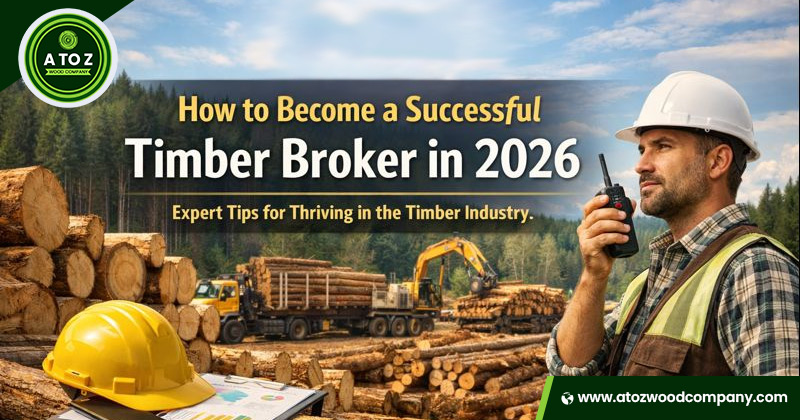
The timber industry continues to grow as global demand for wood products rises — driven by construction, furniture, renewable materials, and sustainability efforts. In 2026, becoming a successful timber broker isn’t just about buying and selling wood; it’s about mastering market trends, building strong relationships, leveraging digital tools, and maintaining ethical and sustainable practices.
If you’re ready to take your timber brokering career to the next level, this guide will walk you through step-by-step strategies, industry insights, and actionable tips that can truly make you stand out in the competitive timber market.
What Is a Timber Broker?
A timber broker is a professional intermediary who connects timber suppliers (forest owners, mills, exporters) with buyers (manufacturers, wholesalers, retailers). Brokers facilitate transactions, negotiate prices, handle logistics, and ensure quality standards — often without owning inventory themselves.
This position demands:
-
Deep market knowledge
-
Strong negotiation skills
-
Trustworthy relationships
-
Understanding of legal, environmental, and logistical nuances
Becoming a successful broker means mastering all of these traits and more.
Why Timber Brokering Is a Lucrative Career in 2026
The timber industry is undergoing major transformation due to:
-
Sustainability demands
-
Traceability requirements
-
Global infrastructure growth
-
Renewables & eco-friendly construction trends
Today’s buyers demand responsibly sourced wood. This creates an opportunity for brokers who can confidently deliver verified, high-quality timber products while ensuring compliance with environmental standards.
With the right strategy, you can build a profitable business that thrives on trust and transparency — essential traits in 2026 markets.
Step-by-Step Roadmap to Becoming a Leading Timber Broker
1. Build Deep Timber Market Knowledge
Before engaging in transactions:
-
Study timber species, grades, and uses
-
Understand global market pricing
-
Learn trade regulations and certifications (e.g., FSC, PEFC)
-
Monitor demand trends in USA, EU, India, China, Middle East, and Oceania
2. Learn Trading and Negotiation
Brokers are negotiators at heart. Strengthen your skills by:
-
Practicing win-win negotiation techniques
-
Understanding buyer motivations and supplier constraints
-
Using data to justify pricing and terms
3. Build a Strong Network of Suppliers and Buyers
Your network is your capital as a broker.
Focus on:
-
Forest owners and plantation operators
-
Sawmills and processing units
-
Importers, manufacturers, and wholesalers
-
Logistics providers
Attend timber expos, trade fairs, and forestry conferences. Join industry associations to expand reach.
Partnering with established companies can accelerate growth — for example, explore collaboration opportunities with companies like AtoZ Wood Company through their brokerage services.
4. Understand Legal & Compliance Requirements
Timber brokering involves:
-
Contract negotiation
-
Compliance with export-import regulations
-
Understanding phytosanitary standards
-
Ensuring proper documentation (CITES, customs paperwork)
Don’t overlook legal responsibilities — hire a consultant or legal advisor if needed.
5. Master Digital Tools & Platforms
In 2026, digital presence matters. Embrace:
-
CRM systems for client management
-
Market intelligence and pricing apps
-
Online listing platforms
-
Digital contracts and e-signatures
6. Provide Excellent Customer Service
Reputation sets apart the best brokers. Go beyond transactions by:
-
Offering transparent pricing breakdowns
-
Providing quality assurance insights
-
Responding quickly to queries
-
Handling logistics tracking for clients
Repeat customers and referrals are gold in timber brokering.
7. Understand Logistics & Supply Chain Challenges
Reliable delivery is key. Brokers must coordinate:
-
Port clearances
-
Inland transport
-
Packaging and palletization
-
Insurance coverage
Partner with trustworthy logistics firms that specialize in wood exports.
8. Stay Ethical & Promote Sustainability
Current markets value responsibly sourced timber. Buyers often require:
-
Chain-of-custody certifications
-
Verified harvest dates
-
Traceability from forest to delivery
Brokers who can assure transparency and sustainability will enjoy:
-
Premium pricing
-
Better client retention
-
Wider market access
Essential Skills Every Timber Broker Needs in 2026
| Skill | Why It Matters |
|---|---|
| Market Research | Helps you spot trends and price fluctuations early |
| Negotiation | Secures better deals for both buyers and sellers |
| Communication | Builds trust and clarity with clients |
| Legal Understanding | Prevents disputes and regulatory issues |
| Tech Savvy | Improves efficiency and reach |
| Sustainability Knowledge | Aligns with global eco-compliance standards |
How to Find Your First Clients as a New Broker
Start with:
-
Local sawmills and plantation owners
-
Niche wood buyers (furniture makers, specialty wood importers)
-
Online marketplaces for timber products
-
Industry networking events and forums
Offer introductory pricing or pilot shipments to build trust.
How Strategic Partnerships Elevate Your Brokerage
Partnering with established timber players adds credibility, access, and supply depth. For example:
👉 Partner with AtoZ Wood Company — a globally trusted timber supplier with sustainable sourcing and export experience. Becoming a partner can help you:
-
Expand your supply network
-
Offer diverse wood species and grades
-
Provide efficient export logistics
-
Deliver consistent quality
Explore partnership benefits here: https://atozwoodcompany.com/partner-with-us/
Partner With AtoZ Wood Company: Build a Profitable & Sustainable Timber Business in 2026
In the evolving global timber industry, strategic partnerships matter more than ever. As demand for responsibly sourced, high-quality timber continues to rise across construction, furniture, and infrastructure sectors, businesses are actively seeking reliable, transparent, and scalable timber partners.
This is where AtoZ Wood Company stands apart.
If you are a timber broker, importer, distributor, wholesaler, construction supplier, or wood trader, partnering with AtoZ Wood Company in 2026 can unlock long-term growth, stable supply, and global market access.